


If you have fibroids and feel a sudden, sharp pain in your pelvic area, you might fear a frightening possibility: “Can a fibroid burst?” It is a common question for anyone searching for answers about a ruptured fibroid or the sudden sensation of a “pop”. Since uterine fibroids are often associated with intense pressure, many women naturally worry they might burst like a cyst. However, women often use the term uterine fibroid burst to describe sensations that feel like a rupture. While an actual burst uterine fibroid is rare, fibroids can undergo acute changes, causing pain. This pain often requires immediate medical attention, such as degeneration (where the fibroid outgrows its blood supply), torsion (a fibroid on a stalk twisting), or a vascular rupture where a surface blood vessel tears. While a literal rupture is rare, these acute changes cause severe pain and require immediate medical attention.
These sensations are a clear signal that your fibroids are impacting your quality of life. It may be time to stop waiting for symptoms to get worse and find relief from the pain and discomfort of these large growths. Uterine fibroid embolization (UFE) offers a solution that is highly effective that works by cutting off the blood supply to the fibroids to shrink and prevent these painful emergencies before they start.
TALK TO A FIBROID EXPERT
What Do People Mean by a “Fibroid Burst”?

When patients ask about a burst uterine fibroid, they are usually describing a sudden, overwhelming onset of pelvic pain. However, because fibroids are solid, muscular masses rather than fluid-filled sacs, they do not literally “burst” the way an ovarian cyst might. When a patient feels a ruptured fibroid sensation, it is typically a sign of a change in the fibroid’s structure or blood supply.
A fibroid burst or rupture can be defined as the result of the fibroid outgrowing its blood supply, the fibroid breaking down, or a surface vessel tearing. A surface vessel tear occurs when the high-pressure veins stretching over a solid fibroid rupture, causing internal bleeding into the abdominal cavity that mimics the sudden, sharp sensation of a burst.
While a literal uterine fibroid burst is medically rare, the complications that mimic a rupture, such as degeneration or , are very real and require immediate evaluation to prevent further health risks.
What Is a Fibroid Rupture?
While most patients use the term ruptured fibroid to describe a sudden “pop” or an explosion of pain, a clinical uterine fibroid rupture is slightly different. Unlike a fluid-filled cyst, a fibroid is a solid mass of muscle. Since fibroids are firm rather than hollow, a ruptured uterine fibroid isn’t a literal “pop.” Instead, it refers to a sudden tear in a surface blood vessel or a total loss of blood flow to the growth. While the fibroid itself doesn’t burst, these changes can cause the same level of sudden, intense pain.
You might also come across the term fibroid rupture, which is used to describe other sudden, intense complications, such as the fibroid losing its blood supply or a stalk twisting. Regardless of the technical cause, the experience of a ruptured fibroid tumor is a serious medical event that typically causes sharp, localized pain and requires immediate attention to prevent further issues.
How Does It Feel When a Fibroid Bursts?
When patients describe fibroid burst symptoms, they are typically referring to a sudden, localized, and sharp pain in the pelvic region. Since a ruptured fibroid sensation is often caused by an acute loss of blood supply or a physical twist in the tissue, the pain is usually “sharp” rather than the “dull ache” associated with chronic fibroid growth. This fibroid rupture pain can be accompanied by a low-grade fever, nausea, or a firm, tender spot in the abdomen that is painful to the touch.
The symptoms of a burst fibroid often mimic other medical emergencies, such as appendicitis or a ruptured cyst. You should never attempt to wait them out. Sudden abdominal swelling or lightheadedness are not just signs to monitor; they are urgent signals that your fibroids are undergoing painful complications. If you are experiencing these symptoms, seeking immediate medical evaluation is critical to rule out other emergencies and find a long-term path to relief.
Is A Fibroid Burst and Fibroid Rupture The Same?
While both terms are used interchangeably to describe sudden, intense pain, there is not distinction between the sensation and the medical reality. A fibroid burst is the term many people use to describe the feeling of a sudden “pop” or an explosion of pressure. In reality, because fibroids are solid muscle, they do not literally burst like a balloon.
What the patient experiences is clinically defined as a fibroid rupture. This occurs when a blood vessel on the surface of the fibroid tears, leading to internal bleeding and sharp pain. Both situations are rare, but both require a medical evaluation to prevent further complications.
Can a Fibroid Twist Instead of Rupture?

Patients searching for signs of fibroid rupture often discover that their intense pain is actually caused by a “twist” rather than a “burst.” This happens with pedunculated fibroids, growths that sit on a thin stalk. If that stalk twists, the blood flow gets cut off suddenly.
Although a twist is technically different from a ruptured fibroid, the resulting fibroid rupture pain feels just as sharp and severe. Since the lack of blood causes the tissue to break down quickly (a process called acute degeneration), any sudden, stabbing pelvic pain should be treated as an urgent issue that needs a doctor’s attention right away.
Is a Burst Fibroid or Rupture Dangerous?
A burst fibroid or rupture can be dangerous because the primary risks associated with it include severe internal bleeding, acute abdominal inflammation (peritonitis), and a high risk of infection. If a large blood vessel is involved, the resulting blood loss can lead to shock, making immediate medical intervention essential. Whether you describe it as a burst fibroid or a fibroid rupture, the underlying clinical risks are the same: acute vascular failure or rapid tissue death.
This is a critical situation where immediate intervention is necessary to prevent shock. These acute episodes typically lead to three major complications:
- Hemorrhage: Sudden, heavy internal or external bleeding. Warning signs include a racing heart, pale complexion, and a rapid drop in blood pressure.
- Systemic Infection: If the growth loses its blood supply, the resulting dead tissue (necrosis) can cause sepsis. This often presents as a high fever, chills, and a severe “flu-like” exhaustion.
- Acute Anemia: Rapid blood loss can leave you dangerously depleted, causing extreme dizziness and shortness of breath during even minor movements.
In some cases, the body attempts to expel this dying tissue through fibroid sloughing. While a uterine fibroid rupture is a sudden event, sloughing is a more gradual breakdown. However, both can cause “flooding” hemorrhages and intense, labor-like contractions.
If you are experiencing sudden, sharp pain, faintness, or a fever, do not wait for your symptoms to get worse.
How Do You Know When a Fibroid Bursts?
So, how do you know if a fibroid bursts?” Identifying a fibroid rupture or torsion involves looking for a sudden “shift” in your symptoms. While chronic fibroid pain is typically a dull, heavy ache, an acute event is unmistakable and persistent.
This happens when the physical environment of the fibroid changes. During a ruptured fibroid event, the blood vessels surrounding the fibroid fail, leading to internal bleeding in the abdominal cavity. This sudden blood loss can cause your blood pressure to drop and trigger sharp, inflammatory pain.
Another common scenario for a uterine fibroid burst involves a pedunculated fibroid, a growth attached to the uterus by a thin stalk. If this stalk twists or snaps, the blood supply is cut off instantly. This leads to acute degeneration, where the tissue begins to break down, causing severe, localized pain.
Since fibroid burst symptoms can feel very similar to other emergencies like appendicitis or an ectopic pregnancy, any suspected rupture needs an urgent clinical evaluation.
When to See a Doctor
It can be difficult to distinguish between the typical discomfort and a true medical emergency. While many symptoms are manageable with routine follow-ups, certain changes indicate that a complication, such as a ruptured fibroid, requires immediate intervention.
Urgent Care Needs
Seek emergency medical attention if you experience a sudden shift in your health. These signs of fibroid rupture or acute torsion often mimic other life-threatening conditions:
- Sudden, Sharp Pain: Intense, localized fibroid rupture pain that comes on instantly and does not subside with rest.
- Signs of Shock: Feeling faint, dizzy, or exceptionally weak, which may indicate internal bleeding.
- High Fever and Chills: A sudden spike in temperature can signal that a fibroid has lost its blood supply and is beginning to break down.
- Severe Bleeding: A “flooding” sensation or soaking through multiple pads per hour.
Routine Follow-Up
If your symptoms are stable but interfering with your quality of life, you should schedule a consultation with a specialist. You don’t have to wait for a crisis to seek help for:
- Gradual increases in pelvic pressure or bloating.
- Heavier or longer menstrual cycles than usual.
- Frequent urination or discomfort during intimacy.
|
Call 911 or Go to the ER If… |
Schedule a Specialist Consultation If… |
| You experience sudden, stabbing pelvic pain that takes your breath away. | Your periods are becoming increasingly heavy or lasting longer than a week. |
| You feel faint, dizzy, or lightheaded (signs of internal bleeding). | You have persistent pelvic pressure or a “heavy” feeling in your abdomen. |
| You have a high fever accompanied by acute pelvic pain. | You experience frequent urination or constipation due to the fibroid size. |
| You have nausea and vomiting along with severe abdominal cramping. | You want to explore non-surgical options like UFE to shrink your fibroids. |
The Value of Fibroid Diagnosis and Treatment
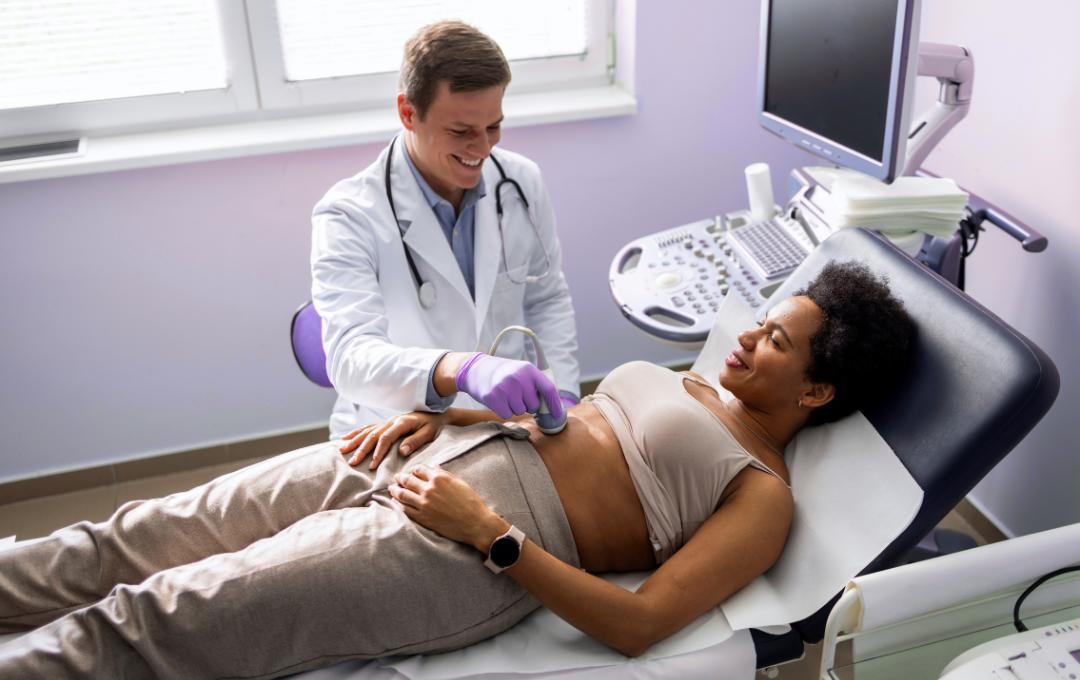
When fibroids reach a point of uterine fibroid rupture or severe degeneration, it is often a sign that your body is no longer able to tolerate their presence, but you don’t have to wait for the severe pain of a fibroid burst to take action. By recognizing persistent pelvic pressure or heavy cycles as early warning signs, you can seek medical assistance before your body reaches a breaking point. Proactive intervention allows you to address these growths before they lead to the trauma of a ruptured fibroid or other severe complications.
USA Fibroid Centers specializes in uterine fibroid embolization (UFE), a minimally invasive, outpatient procedure designed to eliminate the symptoms at the source. Rather than undergoing major surgery, UFE works by strategically blocking blood flow to the fibroids, causing them to shrink and resolve naturally.
Benefits of Early UFE Treatment
While experiencing a ruptured uterine fibroid or the acute pain of a fibroid burst is a serious medical issue, it shouldn’t automatically necessitate removing your uterus. Many cases can be managed through less invasive treatments like myomectomy or embolization. At USA Fibroid Centers, our focus is on uterus preservation. We provide a non-surgical path that treats the condition while keeping your body intact, an essential distinction for women who want to avoid the life-altering physical and hormonal shifts of a major surgery and retain their option of conceiving.
This approach fundamentally changes the recovery experience: instead of spending six to eight weeks healing in bed, most women are back to their normal routines and feeling like themselves again within just one to two weeks.
- No Hospital Stay: Return home the same day.
- Uterus Preservation: Unlike a hysterectomy, UFE doesn’t remove your uterus.
- Quick Recovery: Most women return to normal activities within a week or two.
Get Expert Fibroid Care at USA Fibroid Centers
Understanding the risks of a fibroid rupture is the first step toward taking control of your reproductive health. You don’t have to worry about “Can fibroids burst?” or wait for the physical toll of a fibroid burst to take action. Proactive care is the most effective way to address symptoms before they reach a crisis point, ensuring you have the right treatment options available.
USA Fibroid Centers specializes in modern, minimally invasive fibroid care. Our treatment process begins with advanced imaging and a detailed diagnosis to understand the size, number, and location of your fibroids. “Our specialists then sit down with you to discuss your results and suggest a recovery plan that prioritizes your long-term health and comfort
With nationwide locations, expert care is accessible and convenient. Whether you are seeking a second opinion or are ready to explore alternatives to major surgery, our team of fibroid specialists is here to guide you toward a faster recovery and a better quality of life.
Take the first step toward relief. Schedule an initial consultation today to discuss your symptoms and find the right treatment path for you.
SCHEDULE A CONSULTATION ONLINE
FAQs
How do you know if a fibroid is ruptured?
A fibroid rupture typically feels like a sudden, sharp, and severe pelvic or abdominal pain. This pain is often more intense than regular menstrual cramping and may be accompanied by a low-grade fever, nausea, or a rapid heart rate. Since these symptoms can mimic other chronic conditions, immediate evaluation is necessary.
Can a ruptured fibroid kill you?
While a ruptured fibroid can rarely kill you, it is a serious medical event. If a rupture causes significant internal bleeding or leads to an infection (peritonitis), it can become life-threatening without immediate intervention. Seeking emergency care for sudden, debilitating pelvic pain is essential to ensure a safe outcome.
What does a ruptured fibroid look like?
A ruptured fibroid often looks like an inflamed uterine mass with signs of bleeding or fluid in the abdominal cavity on imaging. Doctors usually identify a ruptured fibroid with imaging such as MRI, which may show an internal fluid collection or changes associated with red degeneration, which is when the tissue has outgrown its blood supply.
How long does a burst fibroid bleed?
A burst fibroid bleed can vary based on severity, size, and location of the fibroid. In some cases, the body may contain the bleeding relatively quickly, while in others, it can persist until treatment. This is why an immediate clinical evaluation and professional management are essential the moment acute symptoms present.
How do you know if a fibroid bursts?
You may know a fibroid bursts if sudden, intense pelvic or abdominal pain happens along with other acute symptoms, such as :
- Acute abdominal tenderness.
- Dizziness or lightheadedness (due to blood loss).
- A sudden spike in white blood cell counts (detected via blood test).
- Nausea and vomiting.
Can a fibroid burst during pregnancy?
A fibroid can burst during pregnancy, but it is uncommon. During pregnancy, fibroids can grow rapidly due to increased hormone levels. If a fibroid outgrows its blood supply, it can undergo degeneration or, in rare instances, rupture, which requires immediate consultation to protect both the mother and the baby.
Can a fibroid burst after menopause?
A fibroid can burst after menopause, but it is very rare. Fibroids typically shrink after menopause because they are hormone-dependent. However, if a woman is on hormone replacement therapy (HRT) or if the growth is actually a different type of uterine mass, a fibroid burst or rupture can still occur.
Are fibroid degeneration and fibroid bursting the same?
Fibroid degeneration and fibroid bursting are not the same thing, but are two distinct medical events. Fibroid degeneration happens when a fibroid outgrows its blood supply, and the tissue begins to die, causing significant pain. A fibroid burst or rupture, is a more acute event where the structural integrity of the fibroid fails, often releasing blood or fluid into the pelvic cavity.