


It is quite common to experience gastrointestinal distress before, during, or after your menstrual cycle. These digestive problems during period cycles are largely driven by hormonal fluctuations, specifically the rise of prostaglandins, which trigger smooth muscle contraction in both the uterus and the digestive tract.
While constipation during period phases and other digestive issues during menstruation are typical for many, they shouldn’t be ignored if they become debilitating. Persistent or severe issues, such as extreme constipation during the menstrual period, may need medical evaluation to ensure your cycle remains healthy, regular, and manageable.
Does Your Period Affect Digestion?

While it has long been thought that every woman’s digestion shifts with her cycle, recent research suggests that for many healthy women, these hormonal changes are relatively mild.[1]. However, for those living with uterine fibroids or existing digestive sensitivities, the “period-digestion” link becomes much more intense.
The connection between your periods and digestion is rooted in the chemical messengers, namely progesterone and estrogen, that coordinate your cycle. Throughout the month, your body undergoes significant hormonal shifts that directly influence how quickly or slowly food moves through your system.
Just before your period begins, an increase in the hormone progesterone can relax the muscles in the intestinal wall, often leading to sluggish bowel movements. Conversely, as your cycle progresses, the release of prostaglandins, designed to help the uterus shed its lining, can also stimulate the gut. This shift often results in various menstrual period and digestive issues that many women experience, ranging from bloating to frequent bathroom trips.
Why Some People Get Diarrhea During Their Period
Experiencing diarrhea around one’s period is a frequent occurrence caused by the same biological triggers that manage menstruation. The primary factors behind diarrhea during the period are prostaglandins, hormone-like compounds that signal the uterus to contract. When the levels of these chemicals rise, they can enter the bloodstream and affect the digestive system, causing the bowels to contract and resulting in what is often informally called “period poop.”
Before one’s period, diarrhea is common as these levels peak, but the timing can vary, causing a lingering shift toward diarrhea after menstruation for some women. In most cases, these loose stools are considered a typical, albeit uncomfortable, part of the cycle.
However, it is important to distinguish between routine fluctuations and more serious symptoms. While mild gastrointestinal changes are expected, diarrhea that is accompanied by intense pelvic pain or symptoms that do not resolve as your cycle ends may be more concerning. In some instances, persistent bowel issues can be linked to other chronic conditions like irritable bowel syndrome (IBS) or gastroesophageal reflux disease (GERD) or reproductive health factors, such as uterine fibroids. Diarrhea can become a regular symptom for women with fibroids. If symptoms become severe or debilitating, seeking a medical evaluation is recommended.
Why Constipation and Bloating Can Happen Before or During Your Period
Even though some women associate menstruation with frequent bowel movements, constipation during period cycles can be a common occurrence. This shift, along with bloating and abdominal discomfort, is largely driven by changing hormone levels.
The primary factor for constipation pre-menstruation is the rise of progesterone. This hormone relaxes the muscles of the intestinal wall, slowing the movement of food through the digestive tract. When digestion slows, the colon absorbs more water, often resulting in harder stools.
For some, this continues as constipation while on your period, particularly if progesterone levels remain high or if other factors, such as fibroids, influence bowel function. This results in bloating, typically leading to trapped gas and pressure, causing the abdomen to feel tight and sensitive.
Other Common Stomach Issues During Your Period
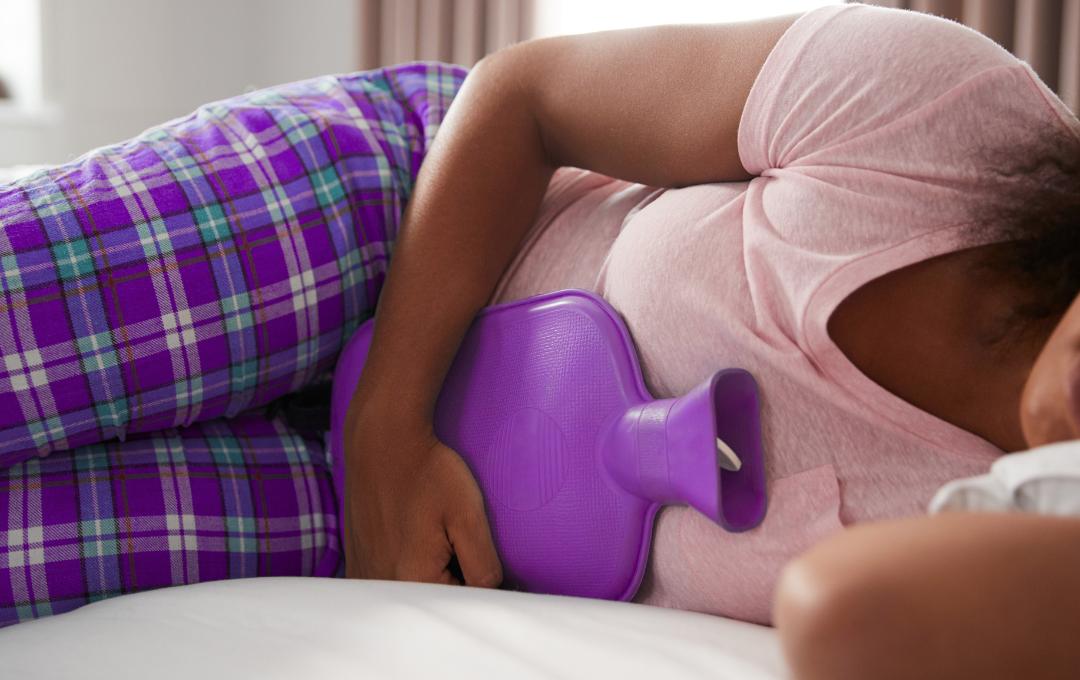
Beyond changes in frequency, many people experience a variety of other stomach issues during period cycles. These often include generalized abdominal pain, intense bloating, and bowel movements during menstruation that feel more urgent or uncomfortable than usual.
It is common for these digestive symptoms to overlap with standard menstrual cramping. When the uterus contracts, the sensations can radiate, making it difficult to distinguish between reproductive and gastrointestinal distress. This overlap often leads to painful bowel movements during period phases, as the same prostaglandins affecting the uterus also impact the surrounding digestive organs.
If these symptoms feel particularly severe or are accompanied by a feeling of constant pressure, it may be worth investigating if other factors, such as fibroids, are contributing to digestive issues during periods. Understanding this connection can help you better manage the total impact on your body each month.
When Digestive Symptoms During Your Period May Signal Underlying Conditions
Gastrointestinal changes are a frequent part of the menstrual cycle. However, severe, worsening, or persistent digestive problems during periods may indicate that the underlying cause goes beyond normal hormonal fluctuations. When symptoms interfere with daily activities or do not resolve after your period ends, they may be a sign of a separate medical condition.
Digestive symptoms often overlap with other health concerns, making it difficult to distinguish between typical cycle changes and more complex issues or chronic conditions such as:
- Irritable Bowel Syndrome (IBS): Hormonal changes can exacerbate existing IBS symptoms, leading to heightened sensitivity and distress.
- Endometriosis: Tissue similar to the uterine lining can grow on the bowels, causing significant pain and bowel dysfunction during menstruation.
- Uterine Fibroids: These noncancerous growths can put physical pressure on the rectum or intestines. If you experience chronic constipation alongside other uterine fibroid symptoms, the two may be linked.
If you notice a significant change in your digestive health or if your symptoms become increasingly difficult to manage, a medical evaluation can help identify whether these issues are tied to your menstrual cycle or something else.
When to Talk to a Doctor About Period-Related Digestive Problems
Most of the time, mild cramps or changes in digestion are part of the monthly menstrual cycle. However, it is important to monitor the severity and duration of digestive issues during menstruation to determine if they are a standard part of your cycle or an indication of an underlying issue.
Warning signs that should not be ignored include:
- Severe abdominal pain that does not respond to over-the-counter relief.
- Rectal bleeding or blood in the stool.
- Persistent constipation or diarrhea that lasts beyond your period.
Evaluation is particularly important if these digestive issues occur outside of your menstrual window or if they are accompanied by heavy menstrual bleeding and pelvic pressure.
Ongoing Digestive Symptoms Deserve Attention

If you notice digestive issues during menstruation, along with heavy menstrual bleeding, persistent pelvic pressure, or frequent urination, it may be time to look beyond hormonal fluctuations alone. USA Fibroid Centers understands that uterine fibroids can often contribute to these symptoms by putting physical pressure on the rectum or bladder.
Our team of interventional radiologists focuses on helping you find relief without the need for traditional surgery through uterine fibroid embolization (UFE. During this minimally invasive procedure, a specialist uses advanced imaging to map the location of your fibroids and then guides a tiny catheter to the uterine arteries. By releasing small particles to block the blood flow feeding the fibroids, UFE causes the growths to shrink and symptoms to fade.
This approach allows the creation of a personalized treatment plan that addresses all existing fibroids at once. We offer an alternative to a hysterectomy or myomectomy with a significantly shorter recovery time. When gastrointestinal issues become a chronic part of your month, getting answers from a specialist can help guide your next steps toward lasting relief and better overall health.
Frequently Asked Questions
Why does my body struggle to digest when I’m on my period?
Digestive efficiency often changes during a period in response to prostaglandin release. These chemicals trigger smooth muscle contraction to shed the uterine lining but can also affect the nearby digestive tract, causing symptoms like diarrhea or cramping.
Why am I having digestive issues before my period?
Digestive issues may occur before your period due to hormonal fluctuations, specifically the rise in progesterone, causing digestive issues during menstrual cycles before the bleeding starts. Progesterone relaxes intestinal muscles, which can slow down digestion and lead to bloating or discomfort.
Does your period make you constipated?
The high progesterone levels during pre-menstruation can lead to constipation by slowing waste movement through the colon, resulting in harder stools and abdominal pressure.
Sources: