


As heart disease remains the leading cause of death for women in the U.S., a landmark ten-year study in the Journal of the American Heart Association has revealed a startling connection: uterine fibroids may be a significant precursor to cardiovascular issues. Research indicates that women with fibroids are 81% more likely to experience heart problems—a risk that surges to 251% for women under age 40.
This February, in honor of Heart Awareness Month, we are helping women recognize these hidden connections. The same hormonal fluctuations that fuel fibroids can also affect arterial health, while chronic symptoms such as anemia-driven inflammation place additional strain on the heart. Understanding this link is the first step in managing your systemic health, not just your symptoms.
Fibroids and Heart Problems

If you are one of the 26 million women living with fibroids, the impact may extend far beyond your reproductive health. While fibroids are non-cancerous, they are now recognized as a critical marker for cardiovascular health. Recent research indicates that fibroids share common biological pathways with heart disease, including chronic inflammation and hormonal imbalances that can lead to hypertension (high blood pressure).
Because the risk of heart problems is significantly higher for those diagnosed with fibroids—particularly in women under 40—early identification is vital. If you are experiencing heavy cycles, pelvic pressure, or unexplained fatigue, it’s important to determine the root cause. Our Symptom Quiz can help you identify if your symptoms align with uterine fibroids, providing you with the information needed to consult a specialist for an official diagnosis and a heart-healthy management plan.
The Link Between Fibroids and Heart Disease
Recent findings in the Journal of Women’s Health and the Journal of the American Heart Association confirm that fibroids are more than just a localized issue—they are a clinical marker for cardiovascular health. For instance, women with fibroids often present with lower levels of HDL (“good” cholesterol), the substance responsible for protecting the heart against attack and stroke.
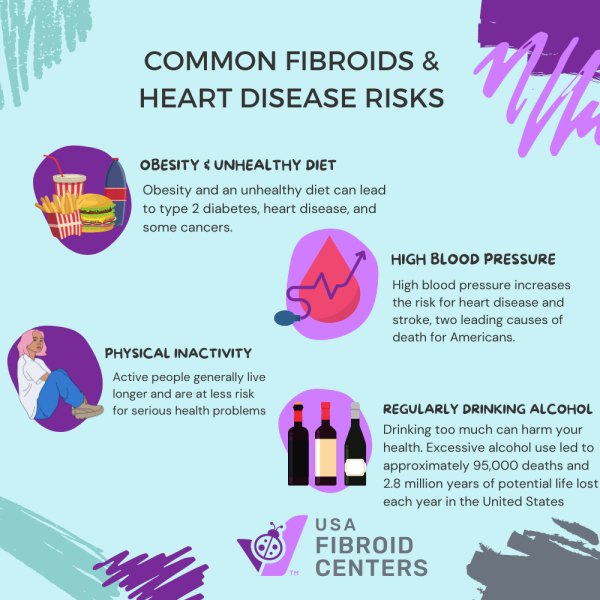
Beyond cholesterol, the connection between fibroids and heart health is rooted in several overlapping systemic factors:
-
Hormonal Influence: Estrogen dominance can contribute to both fibroid growth and the thickening of arterial walls.
-
Chronic Inflammation: The body’s inflammatory response to fibroids can accelerate the development of heart disease.
-
Shared Risk Markers: Factors like high blood pressure, obesity, and family history are common precursors to both conditions.
A fibroid diagnosis is a signal to pay closer attention to your cardiovascular system. Monitoring these risk factors and recognizing symptoms early is the best way to ensure a timely diagnosis for both conditions.
Schedule a Fibroid Consultation
Can Fibroids Cause High Blood Pressure?

The National Institutes of Health (NIH) indicates that women with fibroids are significantly more likely to develop hypertension than those without. While researchers continue to study the exact mechanics, the connection likely stems from:
-
Increased Uterine Blood Flow: Large fibroids demand a massive blood supply, essentially “stealing” resources and straining your cardiovascular system to keep up.
-
Hormonal Imbalances: Fluctuations in estrogen and progesterone don’t just grow fibroids; they can disrupt the delicate regulation of blood pressure.
-
Systemic Inflammation: Chronic inflammation from fibroid tissue can damage arterial linings over time.
Heart Health with Fibroids
If you’ve been diagnosed with fibroids, there are a few ways to proactively manage the increased risk of heart disease:
- Regularly monitor your blood pressure: Get your blood pressure checked at the doctor’s office, or you can purchase a blood pressure monitor to test at home as well.
- Maintain a healthy lifestyle: Eat a heart-healthy diet, exercise regularly, and manage your stress levels.
Communication with your doctor is key. Make sure to discuss your fibroid symptoms and any heart health concerns so they can help you stay on top of necessary screenings and provide guidance on managing both your fibroids and cardiovascular health effectively.
Fibroid symptoms vary for individuals, but the most common symptoms are:
- Heavy bleeding or prolonged menstrual periods
- Pelvic pain, cramping, and pressure
- Frequent urination
- Difficulty getting pregnant
- Abdominal bloating or enlargement
Fibroid Treatment and Heart Health
Understanding how different fibroid treatments affect heart health can help you make the best choice for managing fibroid symptoms.
Hysterectomy and Heart Disease
A hysterectomy, especially one that removes the ovaries in addition to the uterus, can increase a woman’s risk of heart disease. This is largely due to the drop in estrogen levels, which plays a protective role for the heart. Lower estrogen can lead to several heart disease risk factors, including high blood pressure, negative changes in cholesterol levels, weight gain, and insulin resistance.
Additionally, a hysterectomy can also contribute to increased inflammation and metabolic changes, all of which can negatively affect cardiovascular health. Women who have a hysterectomy, particularly at a younger age, should take proactive steps to protect their heart health. This includes regular screenings, a healthy diet, exercise, and working closely with their doctor to manage any potential risks.
Uterine Fibroid Embolization and Heart Disease
Uterine fibroid embolization (UFE) does not directly increase the risk of heart disease like a hysterectomy can. Since UFE preserves the uterus and ovaries, it allows the body to maintain natural hormone levels, particularly estrogen, which plays a protective role in heart health.
In fact, some studies suggest that UFE may have a neutral or even positive impact on cardiovascular health. By reducing fibroid-related symptoms like heavy bleeding and anemia, UFE can help improve overall well-being, energy levels, and circulation. Severe anemia, often caused by fibroids, can strain the heart over time, so treating the condition may indirectly support heart health.
Questions About UFE? Call 888.615.2555
Prioritize Your Health with USA Fibroid Centers

While fibroids and the potential link to heart health may seem daunting, remember that you are not alone. You can live a full and healthy life by prioritizing your well-being, managing your fibroids effectively, and staying informed about your heart health.
Understanding the connection between fibroids and heart health allows you to take charge of your well-being and build a brighter, healthier future. Part of living healthier is getting screened for fibroid and heart disease risks.
USA Fibroid Centers has locations all over the United States with well-trained and professional radiologists to help evaluate how fibroid disease may impact your health.
Our interventional radiologists are the best in the country and always put you and your health concerns first. By scheduling a consultation online or giving us a call at 855-615-2555, we can help you better proactively manage your health.
FAQs About Fibroids Impact on Heart Health
Can Fibroids Cause Heart Disease?
Fibroids are a clinical “warning flag.” While they don’t directly cause heart disease, they share the same biological pathways. The 2026 data shows that women with fibroids have an 81% higher risk of cardiovascular issues, making early detection and non-surgical treatment essential.
Can Fibroids Cause Heart Palpitations?
Although fibroids share risk factors with heart disease, they do not directly cause problems such as heart palpitations. Since fibroids are located in the uterus, fibroids are more likely to impact menstruation and pregnancy.
Heart palpitations are also not a sign of heart disease, as they can be caused by exercise or increased caffeine intake. However, if you are concerned about heart palpitations and their relationship to your fibroid diagnosis, consult a fibroid specialist.
Do Fibroids Cause High Blood Pressure?
Yes, fibroids can contribute to high blood pressure in some cases. This is often due to the strain they place on the body, particularly when they cause heavy bleeding, anemia, or pressure on surrounding organs. Severe anemia caused by fibroids can lead to an increased heart rate and put more stress on the cardiovascular system, which may contribute to higher blood pressure.
Schedule a Fibroid Consultation