


Medically reviewed by
Jacob White, MD, Interventional Radiologist
Interventional Radiologist | Reviewed: August 2026
Our patients are often curious what abouts to fibroids after embolization. It starts with understanding what about embolization is. Uterine Fibroid Embolization (UFE) is a minimally invasive, non-surgical procedure that shrinks uterine fibroids and relieves symptoms by cutting off their blood supply. Fibroids gradually shrink in the months following UFE. Over the three to six months following treatment, fibroid cells break down and lose about half their size. As your body naturally absorbs this inactive tissue, most women notice dramatic improvements in heavy bleeding and pain.
How Fibroids Change After UFE
During Uterine Fibroid Embolization, an interventional radiologist guides tiny embolic particles through a catheter into the blood vessels that feed a fibroid. Once the blood supply is blocked, the fibroid is deprived of oxygen and essential nutrients.
Without a blood supply, fibroids begin a process called degeneration (necrosis), in which the tissue breaks down and softens. The surrounding healthy uterine muscle remains unaffected because it receives blood flow from multiple collateral arterial sources.
Over the following weeks and months, the body slowly reabsorbs the devitalized fibroid tissue, turning it into small, harmless scar tissue. While fibroids typically do not disappear completely, they shrink significantly, relieving heavy bleeding and pelvic pressure.
Read our detailed article on what happens when fibroids shrink for a closer look at this process.
When Can You Expect Results After UFE?
Every patient’s treatment timeline varies, but most women begin noticing symptom improvement within about three months of their procedure. Fibroids continue shrinking for six to nine months after treatment, with some continuing to reduce in size for up to a year.
According to data, fibroids typically shrink 20 to 50 percent within the first three months and between 40 and 70 percent within a year.[1]
Expected Post-UFE Timeline
- Weeks 1 to 2: Fibroid degeneration begins. Mild cramping may occur, but heavy menstrual bleeding often decreases immediately.
- Months 1 to 3: Fibroid tissue softens and shrinks up to 50%. Noticeable relief from pressure and frequent urination usually develops.
- Months 3 to 12: Peak size reduction occurs (40% to 70%), converting inactive tissue into harmless scar tissue.
The rate of shrinkage depends on the size and location of the fibroid, along with individual factors like overall health. Smaller fibroids often shrink more quickly than larger ones, but large fibroids also respond effectively over time.
It is common for the first period or two after UFE to be heavier or more uncomfortable than usual as the body adjusts. Most patients find that bleeding becomes noticeably lighter within a few menstrual cycles.
Do Fibroids Disappear After UFE?
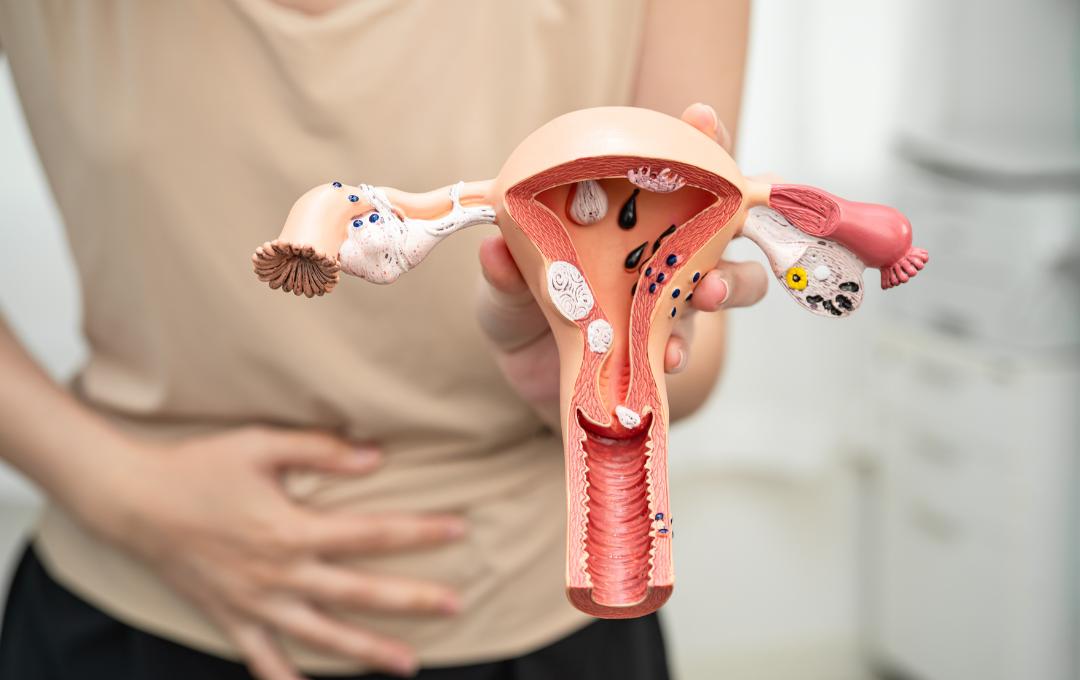
Some patients pass small pieces of fibroid tissue during recovery, though this occurs in a small percentage of cases. This process, known as fibroid passage or fibroid expulsion, is most common with submucosal fibroids located near the uterine lining.
Research indicates this happens in roughly 2 to 5 percent of patients, typically within the first few months after treatment.[2]
When tissue passage occurs, it may be accompanied by mild cramping and vaginal discharge. For most patients, this resolves within one to two days without intervention. In rare cases where larger tissue does not pass naturally, a fibroid specialist can assist in removing it safely.
Passing fibroid tissue is generally not dangerous. However, contact your doctor if you experience severe bleeding, a fever over 101°F, or persistent foul-smelling discharge, as these can indicate an infection.
Benefits and Recovery After UFE
UFE is a non-surgical treatment that allows patients to achieve symptom relief without major surgery. Because the procedure is performed through a small catheter pinhole, recovery is substantially shorter than traditional surgical options like hysterectomy or myomectomy.
Benefits of UFE include:
- Gradual Fibroid Shrinkage: Treated fibroids steadily decrease in volume over time.
- Targeted Symptom Relief: Relief from heavy bleeding, pelvic pain, pressure, and frequent urination.
- Uterus Preservation: Shrinks fibroids while keeping the uterus fully intact.
- Shorter Recovery: Most patients return to work and daily routines within 1 to 2 weeks.
- Minimally Invasive: Requires no general anesthesia or surgical incisions.
Treatment Option: UFE
Understand Your Personal Fibroid Treatment Recovery Expectations
Knowing what to expect ahead of time helps you make confident, informed decisions about your health.
An experienced fibroid specialist should evaluate your imaging, review your health goals, and determine if UFE is the best treatment option for you.
How to Support Recovery After Uterine Fibroid Embolization
During the first days and weeks following your procedure, your fibroid specialist may recommend the following post-care guidelines to support optimal healing:
- Avoid heavy lifting for one week to protect the catheter insertion site.
- Gradually return to exercise over 1 to 2 weeks according to your comfort level.
- Use sanitary pads instead of tampons for at least one menstrual cycle after the procedure.
- Choose showers instead of baths for 1 to 2 weeks to keep the entry site dry and clean.
- Avoid driving on procedure day if prescription pain relief or sedation was administered.
Check out our helpful guide on what to expect at home after UFE for detailed recovery tips.
When to Contact Your Doctor
Although complications are rare, reach out to your care team immediately if you experience any of the following symptoms:
- A fever higher than 101°F
- Unusually heavy bleeding that does not taper off
- Vaginal discharge with a strong or foul odor
- Increasing redness, swelling, or drainage at the catheter site
- Severe pain not managed by prescribed medication
Treatment Option: UFE
Ready to Take the Next Step Toward Fibroid Relief?
Uterine Fibroid Embolization (UFE) is a non-surgical, minimally invasive procedure that shrinks benign uterine tumors by starving them of their blood supply. An interventional radiologist uses a tiny catheter to deliver microscopic particles directly into the uterine arteries, cutting off blood flow to bring fast, lasting relief from heavy periods and pelvic pain. If this option sounds like something you’d like to consider, our fibroid doctors are here to answer your questions and guide you through every stage of your recovery.
FAQs About Fibroids After Embolization
- Duke University Department of Radiology, “Uterine Fibroid Embolization FAQs,” radiology.duke.edu/patient-care/specialized-services/uterine-fibroid-embolization-ufe/faqs
- Stanford Health Care, “Ischemic Complications of Uterine Fibroid Embolization,” stanfordhealthcare.org/medical-treatments/u/uterine-fibroid-embolization/complications/ischemic.html
Medical Disclaimer: This article provides educational information about uterine fibroid embolization and recovery. It is not a diagnosis or a substitute for medical advice. Only a qualified fibroid specialist can evaluate your specific situation and recommend appropriate treatment. If you have questions about your recovery, consult a healthcare provider or contact USA Fibroid Centers for an evaluation.