


Medically reviewed by
USA Fibroid Centers Medical Review Team
Experienced interventional radiology specialists
Reviewed: August 2026
Yes, uterine fibroids can cause pain during exercise. Exercise is supposed to boost your energy, but for many women, fibroids can turn simple bending, core work, and high-impact routines into a source of pain instead. Fibroids add weight and pressure inside the pelvis, and physical movement can shift or intensify that pressure temporarily. Experiencing exercise-related discomfort does not mean you have to stop moving altogether. Understanding how fibroid size and location affect your body, and why discomfort may show up during exercise, can help you recognize when modifying your workout may be enough and when it is time to talk to a doctor.
Why Fibroids Can Hurt More During Physical Activity
Fibroids develop within or around the muscular wall of the uterus, and their size and position affect how much pressure they place on surrounding structures. When you move, especially during bending, twisting, or bouncing, your pelvic organs shift slightly, and a fibroid can press more firmly against nearby muscles or nerves for a moment. This pressure is often felt as a dull ache, heaviness, or a brief sharp twinge rather than a constant pain.
Core-heavy movements, like sit-ups or deep forward bends, can also increase pressure in the abdominal area. This does not mean exercise is fueling fibroid growth. It simply means the movement itself is drawing attention to pressure that was already there. If this type of discomfort shows up regularly during your workouts, a fibroid specialist can evaluate whether your fibroids may be contributing to the pattern.
Can Fibroid Pain Happen on Only One Side During Exercise?
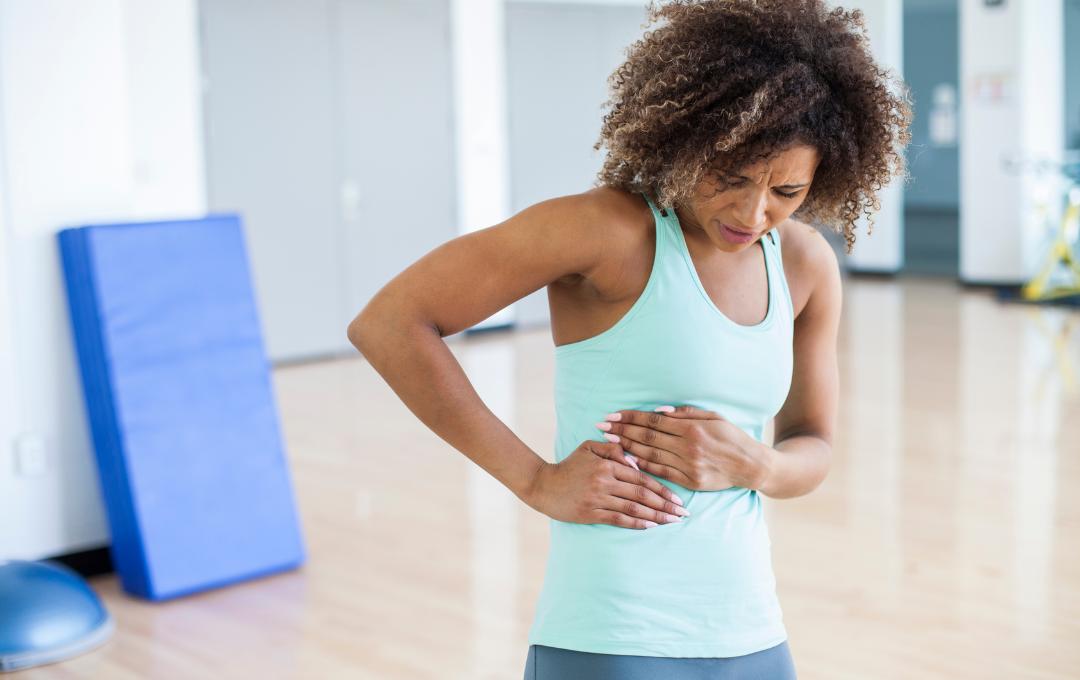
Yes, fibroid pain during exercise can be limited to one side of the body. A fibroid located toward one side of the uterus may create more localized pressure in that area. Movements that involve twisting, single-leg work, or uneven core engagement may make one-sided pressure more noticeable than pain in the center of the pelvis.
This pattern is especially common with subserosal fibroids, which grow on the outer surface of the uterus, or pedunculated fibroids, which are attached by a stalk and can shift position slightly during movement.[1] Our guide to the best exercises for fibroids can help you find lower-impact options while you sort out what triggers your discomfort. If one-sided pain is new, sudden, or sharp, it is worth mentioning to your doctor, since these details help guide an accurate evaluation.
Can Exercise Make Fibroid Symptoms Worse?
Exercise can temporarily make certain fibroid symptoms more noticeable, but there is no research to suggest that routine exercise causes fibroids to grow.[2] In fact, regular physical activity may help manage some fibroid-related symptoms. Exercise triggers the release of endorphins, which can ease cramping and pelvic discomfort, and it supports a healthy body weight, which is associated with more balanced hormone levels.
That said, some fibroid symptoms can make exercise feel harder rather than easier. Heavy menstrual bleeding associated with fibroids can lead to anemia, which causes fatigue and reduced stamina.[3] If your workouts feel unusually difficult, this fatigue, rather than the fibroids themselves worsening, may be the underlying cause. Reviewing your full range of uterine fibroid symptoms can help you connect these patterns.
How to Modify Your Workout When Fibroids Cause Pain
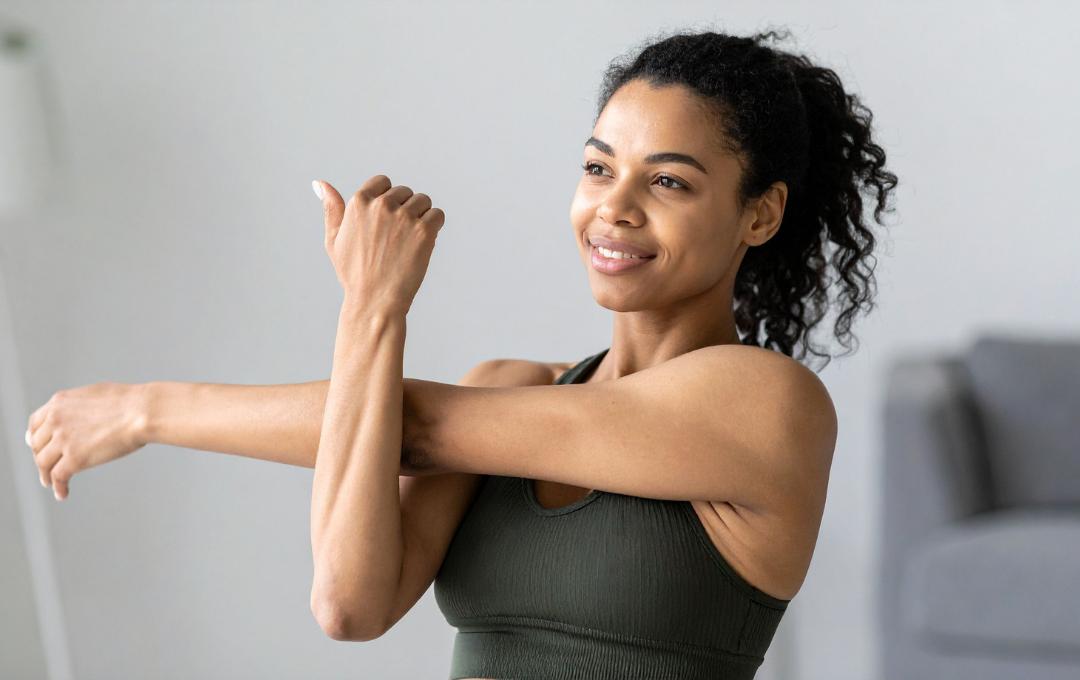
You do not need to stop moving altogether if fibroids are causing exercise discomfort. Small adjustments can often make a noticeable difference.
Consider these modifications during flare periods:
- Choose lower-impact cardio, such as walking, swimming, or a stationary bike, instead of running, jumping, or high-intensity interval training
- Reduce or pause core-intensive movements like sit-ups, crunches, or deep forward bends if they trigger pressure or cramping
- Avoid heavy lifting that requires abdominal bracing when it causes discomfort
- Add gentle stretching or breathing-based movement instead of deep core engagement
- Pay attention to the difference between mild pressure that eases with rest and pain that persists or intensifies
Listening to your body matters more than following a rigid workout plan. If a movement consistently causes pain, it is reasonable to modify or skip it while you pursue a proper evaluation.
When Exercise-Related Fibroid Pain Needs Medical Attention
Some exercise-related discomfort may improve with workout modifications, but certain symptoms warrant medical evaluation rather than continued exercise.
Reach out to a healthcare provider if you notice:
- Sudden, sharp, or severe pain during or after exercise that does not ease with rest
- One-sided pain that is new, worsening, or comes with fever
- Pain paired with heavy bleeding, dizziness, or other signs of anemia
- Pain that interferes with daily activities, not just intense workouts
A fibroid specialist can evaluate whether your symptoms are fibroid-related and walk you through what your options look like from there.
Treatment option: UFE
Modifying your workouts can ease discomfort, but it will not address the fibroids causing it.
Adjusting your routine, choosing lower-impact movement, and listening to your body can reduce how often exercise triggers pain. These strategies can make day-to-day symptoms more manageable while you decide on next steps.
Uterine fibroid embolization (UFE) is a minimally invasive, outpatient treatment that targets fibroids directly, without surgery. USA Fibroid Centers offers UFE for women seeking a non-surgical treatment option for symptomatic fibroids. A fibroid specialist can evaluate your symptoms and help determine whether UFE may be appropriate for you.
Frequently Asked Questions
- American College of Obstetricians and Gynecologists, “Uterine Fibroids,” acog.org/womens-health/faqs/uterine-fibroids
- National Institute of Environmental Health Sciences (NIEHS), “Uterine Fibroids,” niehs.nih.gov/health/topics/conditions/uterine-fibroids
- Office on Women’s Health, U.S. Department of Health and Human Services, “Uterine Fibroids,” womenshealth.gov/a-z-topics/uterine-fibroids
Medical Disclaimer: This article provides educational information about uterine fibroids and exercise. It is not a diagnosis or medical advice. Only a qualified fibroid specialist can determine whether you have fibroids or recommend appropriate treatment.