

Medically reviewed by
 Dr. Jacob White, M.D., RPVI
Interventional Radiology, Fibroid Specialist, Medical Director. Reviewed: September 2026
No single food can shrink a fibroid on its own. That is the honest answer to a question many people search for late at night, hoping for a simple fix. Diet still matters, though. What you eat can support your hormones. It can ease swelling. It can help with some fibroid symptoms. But it will not make an existing fibroid go away. Here is what the research shows, and what to do if diet alone is not enough.
Do Foods That Shrink Fibroids Really Work?
Fibroids are growths made of muscle and fiber. They rely on estrogen to grow. Since food can change hormone levels, it makes sense to wonder if the right foods could shrink fibroids. But research does not support that idea.[2] Studies on nutrition and fibroids agree on one thing: no single food or meal plan has been shown to shrink an existing fibroid.
What diet may do is ease some of the conditions that make symptoms worse. A diet high in saturated fat and low in fiber has been linked to higher estrogen levels.[3] That can add to fibroid growth and heavier bleeding. Eating more fiber and less saturated fat may help you feel better. It will not shrink the fibroid tissue itself, though.
It helps to know why this myth sticks around. Fibroids respond to hormones. So changing your hormones through food feels like it should work. But size matters here. Diet can nudge your hormones in a good direction over months. A fibroid that has already formed is dense tissue. A gentle nudge rarely shrinks tissue that has already grown, especially if the fibroid is large or old.
What Foods May Help Manage Fibroid Symptoms
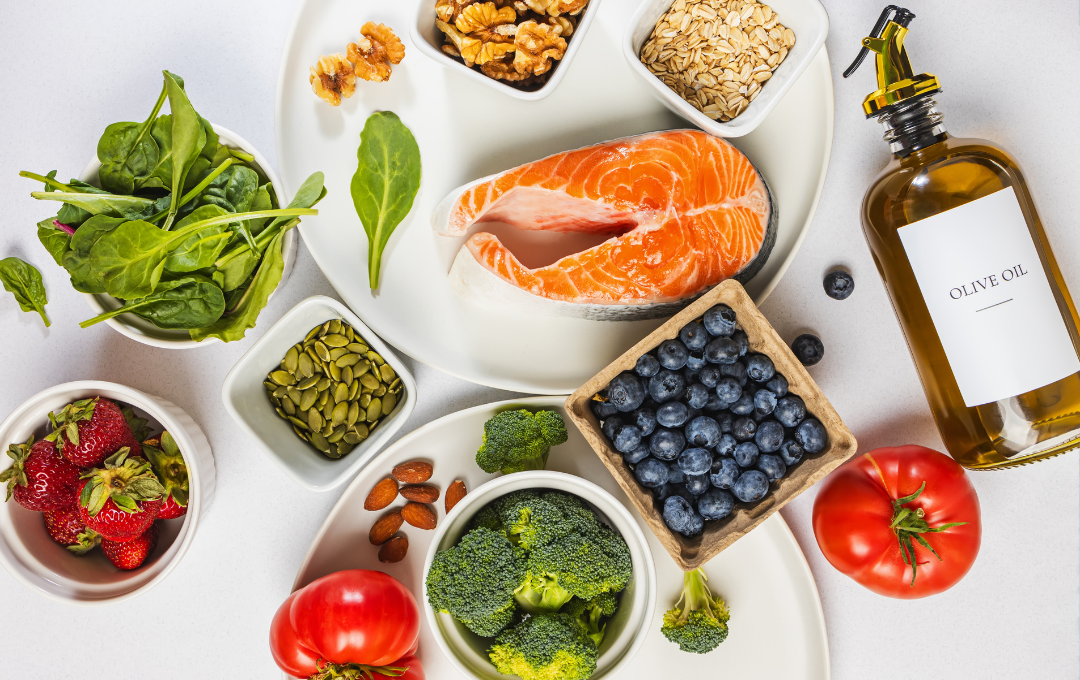
A few foods show a link to better fibroid health in early research.
- Leafy greens and cruciferous vegetables: Broccoli, kale, and cabbage help your liver clear out extra estrogen. This may support hormone balance.
- Fruits and high-fiber foods: More fruits and vegetables have been linked to a lower risk of fibroids.[3] Fiber also helps your body clear out extra hormones.
- Fatty fish: Salmon and sardines have omega-3 fats. These may ease swelling and period pain.
- Vitamin D-rich foods: Low vitamin D has been linked to a higher risk of fibroids in several studies.[4] Taking vitamin D is not a proven cure, though.
- Green tea: Green tea has an antioxidant called EGCG. Early lab studies show some hormone benefits, but results in people are still limited.
These foods will not shrink a fibroid. But eating this way may help you feel more energetic. It may also support hormone balance over time. Many women also notice less bloating when they eat more fiber and less processed food. That can matter a lot when a fibroid is already pressing on nearby organs.
Small changes tend to stick better than a big overhaul. Try adding one more vegetable to dinner. Swap soda for water most days. Choose fish over red meat twice a week. Building the habit matters more than doing it perfectly.
Foods That May Worsen Fibroid Symptoms
Just as some foods may help, others may make symptoms harder to manage. Foods that trigger fibroid growth tend to share a few traits. They are high in saturated fat. They are low in fiber. Or they raise estrogen levels.
- Red meat and full-fat dairy, in large amounts
- Highly processed foods and refined carbs
- Added sugar
- Too much alcohol
- High-sodium foods, which can add to bloating and pressure
Cutting back on these will not guarantee reducing the size of the fibroid, but it may ease some of the discomfort caused by the fibroid.
Wondering if UFE is available near you? Find the location closest to you.
Can Keto Diet Shrink Fibroids?
A lot of women are searching for keto for fibroids. Keto lowers insulin levels, and insulin can affect hormone-sensitive tissue. The idea has some logic behind it. But there is very little direct research on keto and fibroid shrinkage in people. Most of what you read online about big keto results comes from personal stories, not real studies.
That does not mean keto has no value. A low-carb diet may help with weight loss. Extra body weight is a known risk factor for fibroids, since fat tissue can make more estrogen. If you are thinking about keto for fibroid symptoms, treat it as a general health choice. Talk with your provider first. It is not a proven way to shrink a fibroid.
Keto also comes with tradeoffs. It can be hard to stick with. It may affect your energy while your body adjusts. Keto is not right for everyone, especially if you have other health conditions. Talk with your provider before making a big diet change for fibroids. Think about your whole health picture, not just your fibroid symptoms.
What to Drink to Flush Out Fibroids
There is no drink that flushes fibroids out of your body. Fibroids are solid tissue and cannot be rinsed away with fluids. Some drinks may still help with symptoms, though. Green tea has some early evidence for hormone benefits. Water and other fluids support normal digestion, which can ease bloating. Want a closer look at specific options to manage fibroid symptoms while waiting to seek treatment? A drink that may help shrink fibroids is worth reading about. The same caution still applies: none of these replace medical care.
When Diet Isn’t Enough for Fibroid Symptoms
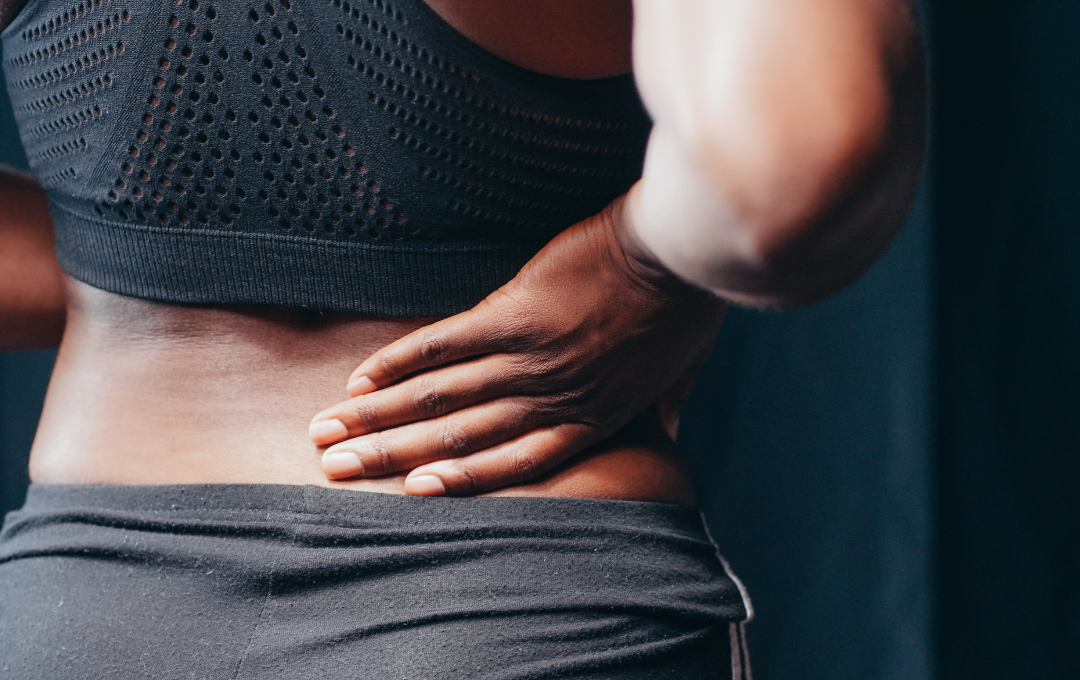
Have you been eating well for months but still dealing with heavy periods, pressure, or fatigue? Diet alone is not the missing piece. Heavy bleeding from fibroids can also lead to iron deficiency anemia. Diet changes alone often cannot fix that fast enough. At this point, it helps to talk with a fibroid specialist about your options.
Uterine Fibroid Embolization (UFE) is a non-surgical, image-guided procedure. It works by blocking blood flow to a fibroid. This can help it shrink over time while your uterus stays intact.[1] Unlike a diet change, UFE targets the fibroid directly. It does not rely on slow hormone shifts that may or may not happen.
A fibroid specialist can also check whether a fibroid is really behind your symptoms. Pelvic pain and heavy bleeding can have other causes too. Getting a clear picture through imaging is a much faster path to relief than months of trial and error with food. Want a broader look at food choices? Check out the best and worst foods for fibroids while you decide on next steps.
FAQs About Foods and Fibroids
Treatment option: UFE
Waiting on Diet Alone Is Not Your Only Option
Eating well can support your health and may ease some fibroid symptoms. It will not shrink an existing fibroid, though.
Uterine Fibroid Embolization is a minimally invasive, outpatient option that works directly on fibroid size and symptoms without surgery. A fibroid specialist can help you understand whether UFE may be right for your situation.
- Office on Women’s Health, U.S. Department of Health and Human Services, “Uterine Fibroids,” womenshealth.gov/a-z-topics/uterine-fibroids
- Ciebiera M, et al. “The Role of Nutrition in Pathogenesis of Uterine Fibroids,” pubmed.ncbi.nlm.nih.gov/38068842
- “Nutrition and Uterine Fibroids: Clinical Impact and Emerging Therapeutic Perspectives,” Nutrients, mdpi.com/2077-0383/14/20/7140
- “The relationship between fat-soluble vitamins and uterine fibroids: a systematic review,” pubmed.ncbi.nlm.nih.gov/41318480
Medical Disclaimer: This article provides educational information about uterine fibroids and diet. It is not a diagnosis or medical advice. Only a qualified fibroid specialist can determine whether you have fibroids or recommend appropriate treatment. If you have heavy periods, pelvic pain, or other symptoms, consult a healthcare provider or contact USA Fibroid Centers for an evaluation.