
For women facing chronic pelvic pain and heavy menstrual bleeding, an adenomyosis diagnosis often brings more questions than answers. While hysterectomy was once considered the only definitive solution, modern medical advances have changed the landscape. Today, the most common question patients ask is: Can adenomyosis be treated without surgery?
While major surgery was once the standard of care, many women now seek ways to manage or eliminate them. If you are looking for an effective adenomyosis treatment without surgery, options like Uterine Artery Embolization (UAE) are providing life-changing results.
How to Treat Adenomyosis Without Surgery
Understanding how to treat adenomyosis without surgery requires distinguishing between temporary symptom relief and long-term procedural care. Adenomyosis occurs when the uterine lining (endometrium) grows into the muscular wall (myometrium), causing the uterus to thicken and leading to painful, heavy periods.
While some patients search for minimally invasive surgery for adenomyosis, it is important to clarify that treatments like UAE are actually non-surgical, image-guided procedures. They do not require general anesthesia or large incisions, making them a preferred non-surgical treatment for adenomyosis for those wishing to preserve their uterus and avoid the operating room.
Symptom-Management Approaches
Before moving to procedural interventions, some patients utilize conservative management to help control the daily impact of the condition:
- Hormonal Therapies: Birth control pills, progesterone-releasing IUDs, and GnRH agonists can help thin the uterine lining and reduce bleeding.
- Pain Management: High-dose anti-inflammatories (NSAIDs) are often used to manage cramping.
The Limitations: These options do not “cure” or remove the displaced tissue; they simply mask the symptoms. Once the medication is stopped, the symptoms typically return.
Minimally Invasive Option – Uterine Artery Embolization
If lifestyle changes and hormones aren’t providing enough relief, patients often look for a non-surgical treatment for adenomyosis that offers more significant, lasting results.
- Uterine Artery Embolization (UAE): Also referred to as uterine fibroid embolization (UFE) is widely considered the most effective non-surgical alternative. By blocking the blood flow to the affected uterine tissue, the adenomyosis shrinks and the symptoms dissipate. Compared with minimally invasive surgery for adenomyosis, UAE offers a much shorter recovery time and no hospital stay.
When is Surgery Necessary for Adenomyosis?
Opting for adenomyosis surgery usually happens when symptoms such as heavy periods and severe cramps transition from manageable discomfort to a significant disruption of life. These symptoms occur when tissue grows into the uterine muscle wall, causing intense inflammation that impacts sleep, mood, and energy.
Recognizing the Symptoms
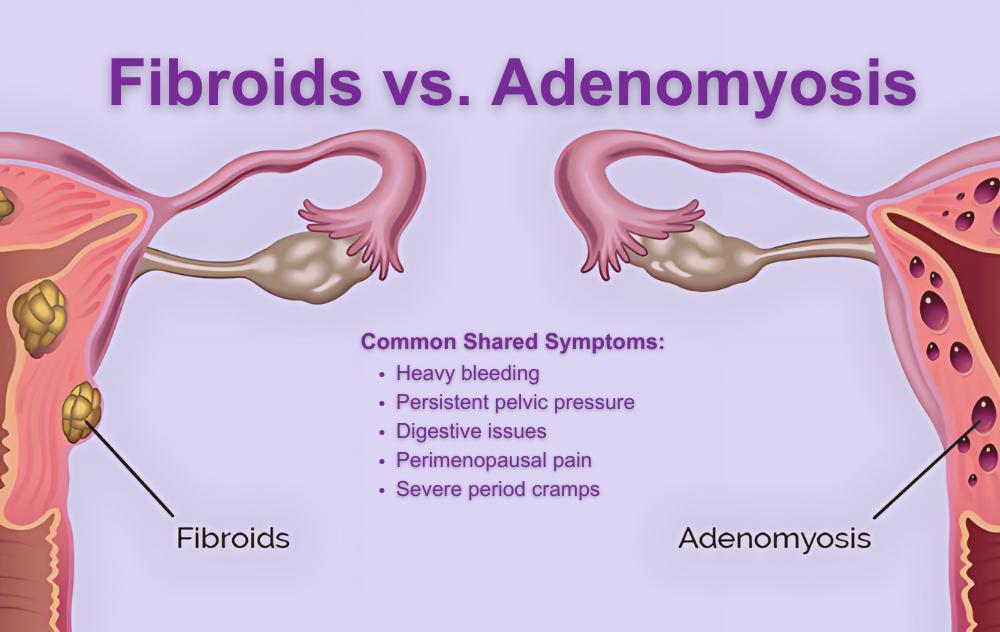
Adenomyosis affects every woman differently and often overlaps with conditions like fibroids. Common signs include:
- Persistent Pelvic Pressure: An enlarged uterus can cause a “bloated” feeling or abdominal pressure.
- Digestive Issues: Swelling may press against the digestive tract, causing IBS-like symptoms such as abdominal pain or bowel changes.
- Perimenopausal Pain: Symptoms can persist through perimenopause due to residual hormone interactions, making specialized care essential at any age.
Transitioning to Medical Intervention
While symptoms may start mildly, they often progressively worsen. When pain stops responding to medication and interferes with your work or quality of life, it is time to address the root cause.
While a hysterectomy remains a traditional solution, women wishing to preserve their uterus can now choose Uterine Artery Embolization (UAE)—a non-surgical alternative that offers a faster recovery without the need to treat adenomyosis without surgery.
Why an Accurate Diagnosis Matters Before Treatment
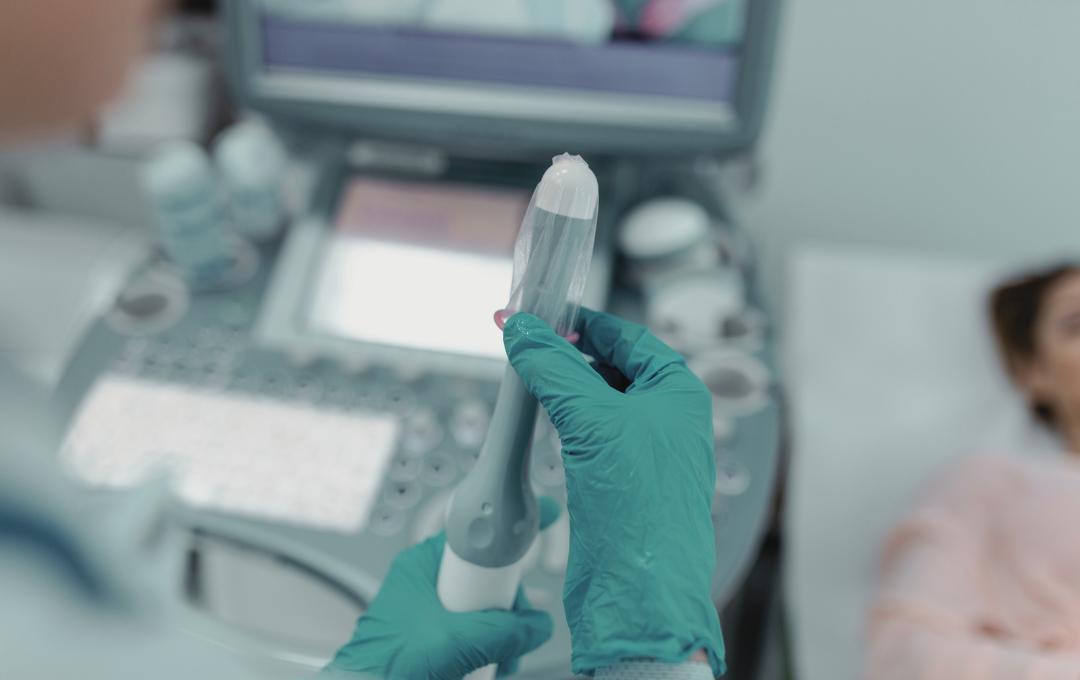
Securing a precise diagnosis is the most important step toward effective relief. Since adenomyosis, endometriosis, and uterine fibroids all share symptoms, they are frequently confused.
Ultimately, an accurate diagnosis through specialized imaging like a pelvic MRI or transvaginal ultrasound prevents “trial-and-error” medicine. By identifying the specific condition early, you can avoid unnecessary procedures and move directly toward a targeted treatment plan—whether that involves hormonal management or a more permanent adenomyosis treatment without surgery.
How Specialists Decide Between Non-Surgical and Surgical Treatment
Deciding between surgical and non-surgical paths is a collaborative process between you and your specialist. This decision is rarely based on a single symptom but rather on a combination of clinical data and your personal life goals.
Key Factors in the Decision Process:
- Patient Goals: Determine if you prioritize preserving your uterus or avoiding major surgery. While a hysterectomy is a definitive cure, uterine-sparing options like UAE are often the priority for those seeking to avoid the operating room.
- Stage and Type: Specialists use MRI or 3D ultrasound to see if adenomyosis is focal (localized) or diffuse (spread). Focal cases are particularly well suited to targeted non-surgical intervention.
- Health Profile: Your age, medical history (such as previous C-sections), and overall health determine the safest and most effective treatment path for you.
A Progressive Approach to Care: Exploring Non-Surgical Options
Before considering surgery, many specialists recommend exploring non-surgical treatments to address the root causes of pain and bleeding with fewer risks and less downtime. Discussing non-surgical options, such as UAE, with a specialist helps you manage symptoms effectively without jumping straight to invasive procedures. Most specialists only consider surgery if these targeted, non-surgical interventions do not provide the necessary relief.
Why UAE is The Leading Non-Surgical Adenomyosis Choice
Uterine Artery Embolization (UAE) also known as Uterine Fibroid Embolization (UFE)—is widely considered a gold standard for treating adenomyosis without a hysterectomy. Unlike traditional operations, UAE treats the root of the problem without a single stitch, allowing the healthy parts of the uterus to remain intact.

UAE is a highly effective alternative to surgery performed by an interventional radiologist, it works by:
- Blocking Blood Flow: Cutting off the supply to the adenomyosis tissue, causing it to shrink.
- Minimal Access: Using a tiny nick in the skin rather than a large abdominal incision.
- Faster Recovery: Patients return to their normal lives significantly sooner than with traditional surgery.
Who is a Candidate for UAE?
While most women are excellent candidates for this procedure, a specialist evaluation is necessary to ensure it is the safest course of action.
General Contraindications: Specialists typically advise against UAE for women who:
- Are currently pregnant.
- Have an active pelvic infection.
- Are diagnosed with uterine cancer.
- Have certain blood-clotting disorders.
The Benefits of Uterine Artery Embolization (UAE)
- Symptom Relief: Significant reduction in heavy menstrual bleeding and pelvic pressure.
- Quick Recovery: Most patients return to normal activities within a week.
- Fertility Preservation: Because the uterus is kept intact, UAE is often a preferred option for those considering pregnancy.
Choosing Uterine Artery Embolization (UAE)
UAE is the leading alternative to a hysterectomy, offering a path to relief without the risks of major surgery. By choosing this non-surgical treatment, you avoid general anesthesia, scarring, and lengthy hospital stays. Most patients return to normal activities within one week, making it ideal for those with busy schedules or those wishing to preserve their uterus.
Insurance and Accessibility As a medically necessary procedure, UAE is covered by most major insurance plans, including Medicare and Medicaid. At USA Fibroid Centers, we make the process seamless by:
- Instant Verification: Check your coverage online or over the phone.
- Specialized Consultations: Meet with experts to confirm your candidacy.
- Insurance Support: Our team handles the paperwork to maximize your benefits and minimize out-of-pocket costs.
FAQs About Adenomyosis Treatment Without Surgery
How to cure adenomyosis without surgery?
Adenomyosis can be cured or treated without surgery with minimally invasive options such as UAE. It is the closest non-surgical equivalent to adenomyosis surgery, such as hysterectomy, as it permanently shrinks the diseased tissue.
What is a non-surgical treatment for adenomyosis?
The most common non-surgical treatment for adenomyosis includes hormonal therapies (like the IUD or birth control) for symptom management, and uterine artery embolization (UAE) for a more permanent, non-invasive solution.
What is the best non-surgical treatment for adenomyosis?
For women seeking long-term relief without a hysterectomy, UAE is widely considered the best option. It addresses the cause of the symptoms directly by cutting off the blood supply to the diseased tissue while sparing the uterus.