


Medically reviewed by
USA Fibroid Centers Medical Review Team
Board-certified interventional radiologists specializing in uterine fibroids
Reviewed: August 2026
Heavy menstrual bleeding caused by uterine fibroids is one of the most common reasons women develop iron deficiency anemia, a condition in which the blood lacks enough healthy red blood cells to carry oxygen through the body. If your periods have gotten heavier or longer since your fibroid diagnosis, understanding this connection can help you recognize the warning signs early and know when it is time to talk with a specialist about treatment.
You are not imagining the exhaustion. Anemia caused by fibroids often builds slowly, month after month, until fatigue starts interfering with everyday life.
What is Anemia?
Anemia occurs when your blood lacks enough red blood cells or iron-rich hemoglobin to effectively carry oxygen from your lungs throughout your body, which in turn hinders the production of new blood cells. While mild cases are common and manageable, women with low dietary iron intake as well as pregnant or menstruating women are at a significantly higher risk since iron is essential for building healthy red blood cells.
Can Fibroids Cause Anemia: What Is the Connection
Uterine fibroids are noncancerous growths in the uterus, and one of their most common symptoms is heavy or prolonged menstrual bleeding. When periods bring you back-to-back tampons or pads soaked within an hour, or bleeding that lasts more than seven days, your body can lose more blood and in turn, more iron than it can replace through diet alone. Iron is essential for producing hemoglobin, the protein in red blood cells that carries oxygen throughout the body. Ongoing heavy bleeding from fibroids can lead to a shortage of hemoglobin, which is the definition of iron deficiency anemia. Anemia from fibroids is a well-documented and treatable condition, not something you have to accept as your new normal.
How Heavy Fibroid Bleeding Leads to Low Iron
Fibroids can increase menstrual blood flow in a few different ways. Fibroids that grow within the uterine lining can enlarge the surface area involved in monthly shedding, which increases blood loss. Fibroids can also interfere with the muscle contractions that normally help the uterus control bleeding, so periods run heavier and longer than they should.
A typical period involves relatively modest blood loss, but heavy or excessive bleeding from fibroids can result in significant blood loss each cycle. Every cycle of heavy bleeding depletes a portion of your iron stores. Once those stores run low, your bone marrow cannot produce enough new red blood cells, and anemia sets in.
Recognizing the Signs of Anemia From Fibroids
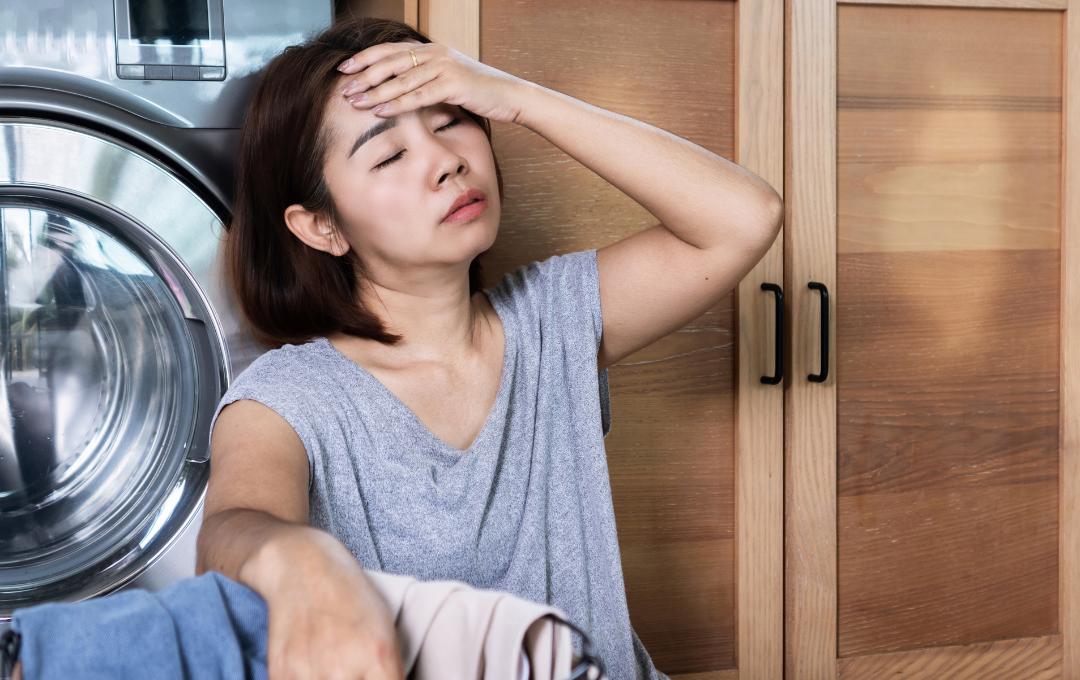
Mild anemia can be easy to miss because symptoms often build gradually. Many women attribute early fatigue to stress or a busy schedule rather than to their periods. Signs to watch for include:
- Ongoing fatigue or low energy that does not improve with rest
- Dizziness or lightheadedness
- Shortness of breath, even with mild activity
- Pale skin, cold hands, or cold feet
- A rapid or irregular heartbeat
- Unusual cravings, such as chewing on ice
A simple blood test that checks hemoglobin and iron levels can confirm anemia and help a specialist determine how significant your blood loss has been. If you notice these signs alongside fibroid symptoms like heavy or excessive bleeding, it may be a sign that fibroids are affecting more than your cycle.
Wondering if care is available near you? Find the location closest to you.
Does Iron Intake Make Fibroids Grow?
No. Iron supplements and iron-rich foods do not cause fibroids to grow. Fibroid growth is driven primarily by hormones, particularly estrogen and progesterone, not by dietary iron or iron supplementation. Replenishing iron through food or supplements is a normal and often necessary part of managing anemia caused by fibroids, and it can be done safely alongside fibroid treatment.
When Anemia From Fibroids Becomes Severe
Anemia is generally described in stages based on hemoglobin level. Mild anemia is often manageable with diet changes or oral iron supplements. Moderate anemia may need closer monitoring and a stronger supplementation plan. Severe anemia, generally reflected by a hemoglobin level under about 7 grams per deciliter, can cause more pronounced symptoms like a rapid heartbeat, significant shortness of breath, or chest discomfort, and may require more urgent care such as intravenous iron or, in some cases, a blood transfusion.[1]
Only a blood test ordered by a healthcare provider can tell you which stage applies to you. If you are experiencing significant fatigue, dizziness, or shortness of breath along with heavy periods, it is worth having your iron and hemoglobin levels checked rather than waiting to see if symptoms pass on their own.
Treating the Fibroids Behind Your Anemia

Iron supplements and dietary changes can help rebuild your iron stores, but if fibroids are still causing heavy bleeding, anemia can return month after month. For anemia linked to fibroids to improve long term, the underlying bleeding usually needs to be addressed.
Uterine fibroid embolization (UFE) is a minimally invasive, image-guided procedure that can help reduce fibroid-related bleeding.[2] During UFE, an interventional radiologist guides a small catheter to the blood vessels supplying the fibroids and blocks their blood flow, which can help the fibroids shrink over time. As bleeding decreases, many women find their iron levels and energy gradually improve as well. UFE is performed on an outpatient basis and does not require the recovery time associated with surgical options.
If heavy periods and fatigue have become part of your monthly routine, connecting with a fibroid specialist can help you understand whether fibroids are the underlying cause and what treatment options may be available. Reading about one woman’s experience with fibroid-related anemia may also help you recognize your own symptoms.
Treatment option: UFE
Find Fibroid Care Near You
If heavy periods are leaving you tired, dizzy, or short of breath, fibroids may be the underlying cause, and help is available closer than you might think.
Uterine Fibroid Embolization is a minimally invasive, outpatient option that works directly on the bleeding behind fibroid-related anemia, without surgery or a lengthy recovery. A fibroid specialist can help you understand whether UFE may be right for your situation.
FAQs About Fibroids and Anemia
- American Society of Hematology, “Anemia,” hematology.org/education/patients/anemia
- Society of Interventional Radiology, “Uterine Fibroid Embolization,” sirweb.org/patients/uterine-fibroids/
Medical Disclaimer: This article provides educational information about uterine fibroids and anemia. It is not a diagnosis or medical advice. Only a qualified fibroid specialist can determine whether you have fibroids or recommend appropriate treatment. If you have heavy periods, fatigue, or other symptoms, consult a healthcare provider or contact USA Fibroid Centers for an evaluation.