


If you find yourself frantically digging through the pantry for salty chips or tearing into a king-sized chocolate bar the week before your period, you are far from alone. For millions of women, the days leading up to menstruation bring on premenstrual syndrome (PMS), a common condition characterized by recurring physical and emotional symptoms. For many, PMS includes an intense, often overwhelming, desire for specific foods, usually sugar, salt, and high-calorie comfort foods. But are these period cravings just a sign of weak willpower, or is there a biological reason behind this monthly food frenzy?
Before your period starts, your body engages in a complex, hormonal tug-of-war that dictates everything from your mood to your metabolism. We’ll break down the science of dipping serotonin and soaring progesterone to explain the exact chemical shifts driving these changes in your body and brain. But as intense as these symptoms are, you may wonder if this is more than just typical PMS. In some cases, experiences like unusually severe cravings, extreme bloating, or other painful symptoms may signal a more severe condition known as Premenstrual Dysphoric Disorder (PMDD) or an underlying gynecological issue, such as uterine fibroids. Is there a connection between period cravings and fibroids?
The Role of Hormones in Fibroid Growth
Fibroids are common, non-cancerous growths in the uterus, and they are susceptible to estrogen and progesterone. When addressing hormones and fibroids in women of reproductive age, it’s necessary to first understand how the hormonal shifts during the menstrual cycle impact fibroid growth, symptoms, and overall body chemistry. This, in turn, allows women to explore effective treatment options for long-term relief.
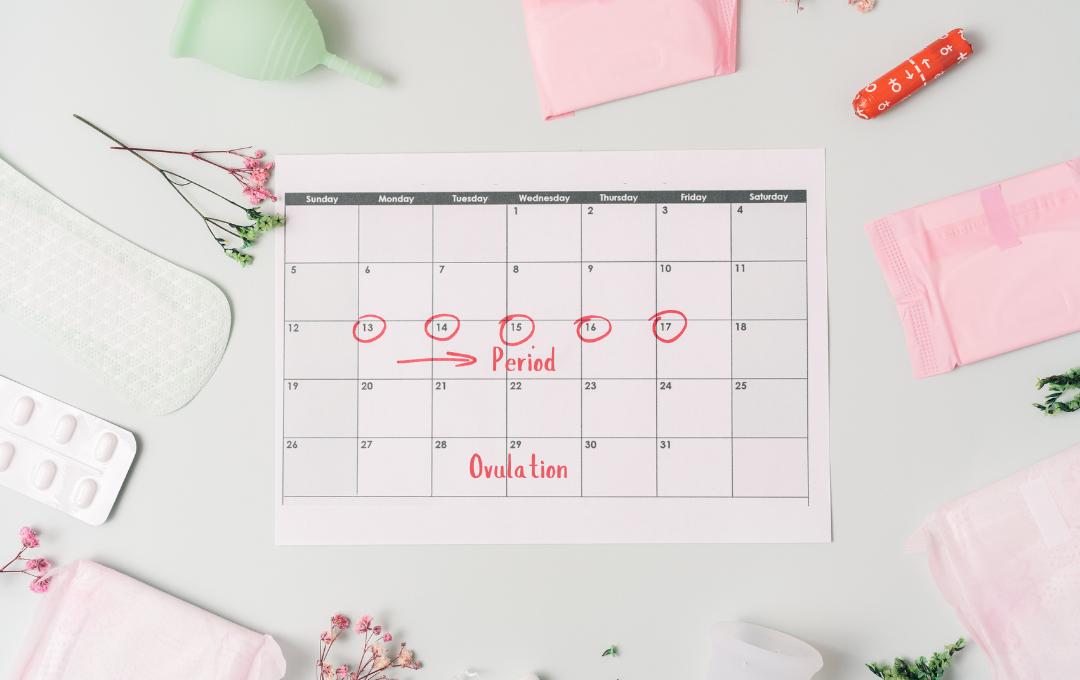
The menstrual cycle, the monthly hormonal process the body uses to prepare the uterus for pregnancy, starts with menstruation and proceeds through the following stages:
- Regular period (days one to five)
- Follicular phase (days one to 14): where rising estrogen thickens the lining and matures an egg. Around day 14, ovulation releases the egg. T
- Luteal phase (days 15-28): characterized by high progesterone levels that maintain the uterine lining; if pregnancy doesn’t occur, the hormones drop, starting the cycle anew.
To understand uterine fibroids and how they affect the menstrual cycle, it’s helpful to understand the two main reproductive hormones, estrogen and progesterone, which are produced by the ovaries.
Estrogen and Fibroid Symptoms
Estrogen is the primary hormone in the first half of your cycle (follicular phase), which thickens the uterine lining in preparation for a potential pregnancy.
- The Fibroid Connection: Fibroids are often described as being estrogen-dependent because they contain more estrogen receptors than normal uterine tissue. High or prolonged estrogen exposure can accelerate fibroid growth.
- The Symptom Connection: A thicker lining, combined with an enlarged uterus and fibroid mass, often leads to the most common symptom: heavy or prolonged bleeding (menorrhagia).
Progesterone and Cravings
Progesterone dominates the second half of the cycle (luteal phase) and maintains the uterine lining. If pregnancy doesn’t occur, both estrogen and progesterone levels drop sharply just before your period.
- The Cravings/Mood Link: This pre-period hormonal freefall can cause blood sugar instability and a decrease in “feel-good” brain chemicals, such as serotonin. This metabolic and mood shift often results in intense carbohydrate and sugar cravings (like chocolate or refined starches), fibroids, classic premenstrual syndrome (PMS), and premenstrual dysphoric disorder (PMDD) mood swings. Sometimes, period cravings and fibroids together can make symptoms difficult to manage.
How Fibroids Affect PMS and Cravings
If you have fibroids, these regular hormonal shifts are often exaggerated, leading to extreme symptoms.
- Heavy Bleeding & Pain: Fibroids increase the overall surface area of the uterine lining and prevent the uterus from contracting properly. This causes more bleeding and more pain as the uterine muscles work harder against the fibroid mass.
- Fibroids and Weight Gain: Enlarged fibroids can physically contribute to abdominal distension (bloating/pressure), making it seem like you’ve gained weight. Furthermore, hormonal imbalances associated with fibroids can also sometimes affect overall weight regulation.
These hormonal shifts directly contribute to the emotional and physical discomfort known as premenstrual syndrome (PMS), which includes symptoms like breast tenderness, bloating, mood swings, irritability, and fatigue.
The Anemia Connection: Why Do I Crave Ice With Fibroids?
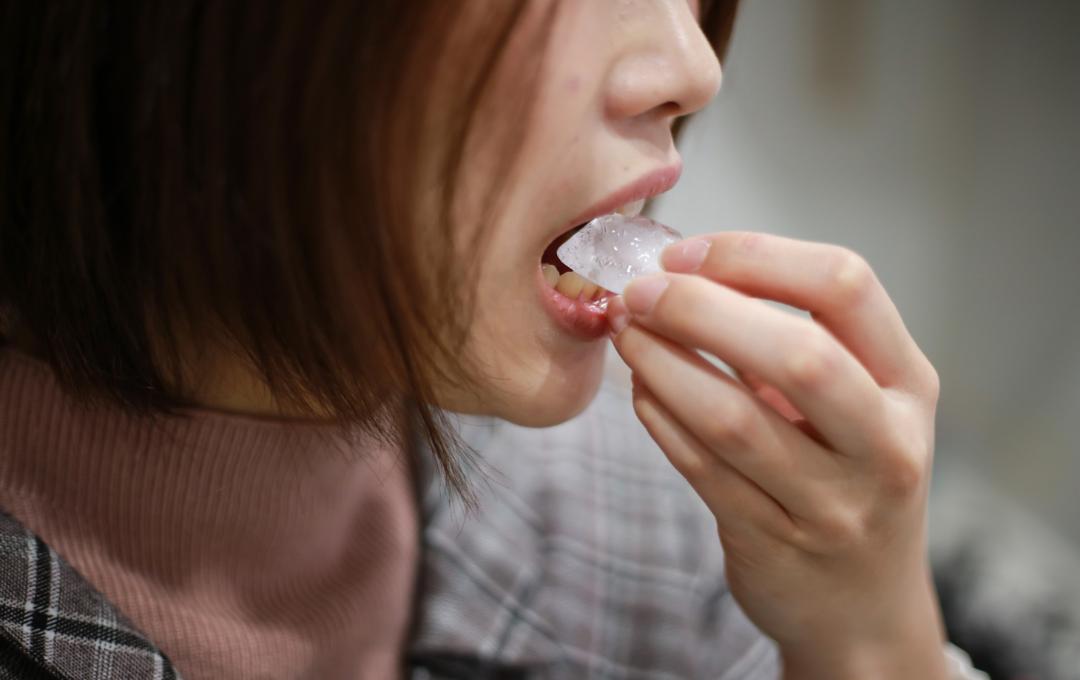
Fibroids do not directly cause ice cravings; however, they cause blood loss that depletes iron stores. Uterine fibroids often lead to menorrhagia, or chronically heavy and prolonged menstrual bleeding. This sustained blood loss is the fundamental issue, as it causes the body to lose iron, a necessary component of hemoglobin, faster than it can be replaced through diet. Over time, this chronic depletion results in a medical condition called iron-deficiency anemia (IDA).
Understanding the Symptom: Pica and Pagophagia
Anemia reduces the body’s ability to produce healthy, oxygen-carrying red blood cells, leading to well-known symptoms such as extreme fatigue, low energy, and weakness. However, a less common but particular symptom of severe iron deficiency is pica, the compulsive desire to ingest non-food substances. The most frequently observed form of pica in patients with IDA is pagophagia, an intense and often irresistible urge to chew and crunch on ice.
The Science Behind the Craving
While the exact reason for this ice craving remains a subject of research, leading studies suggest that chewing ice may temporarily alleviate tongue and mouth inflammation or soreness that can accompany anemia. Another prominent theory is that the temporary stimulant effect of chewing ice helps to counteract the mental fogginess and lethargy caused by reduced oxygen delivery to the brain.
Treatment Focus: Addressing the Cause of the Cravings
It is necessary to understand that fibroids themselves are not the direct cause of the craving. They are the initial trigger that leads to heavy bleeding, which then causes iron-deficiency anemia.
The treatment for this symptom does not focus on the craving itself, but on correcting the underlying nutritional imbalance. By treating the anemia, typically through oral supplements or intravenous iron infusions, the body’s iron stores are restored, and the unusual urge to chew ice often resolves completely. If heavy bleeding from fibroids is causing anemia, it is important to consult a fibroid specialist for an accurate diagnosis and treatment options.
The Fibroid And Anemia Connection
Hormones, Sugar Cravings and Fibroids
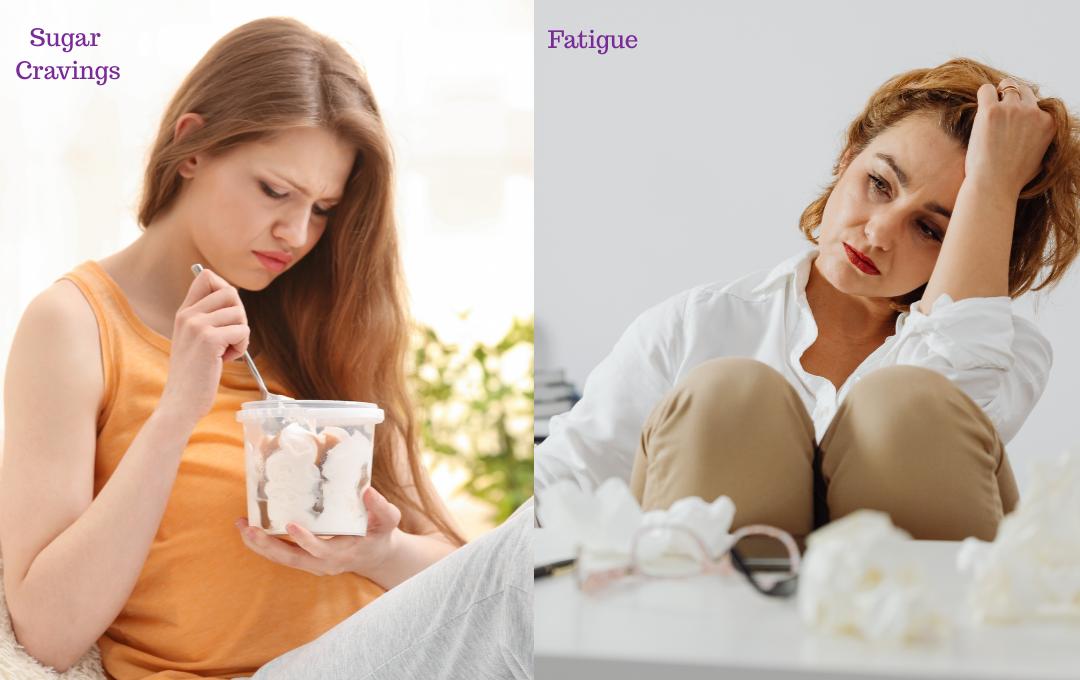
The hormonal fluctuations and increased inflammation linked to fibroids can make you more susceptible to intense cravings, particularly for sugar and refined carbohydrates. This becomes a vicious cycle:
- Fatigue from heavy bleeding/anemia triggers the body to crave simple sugars for quick energy.
- Simple sugars and refined foods can be pro-inflammatory and may inadvertently contribute to hormonal imbalance (fat cells also produce estrogen).
Dietary Focus: While there is no specific fibroid diet that can eliminate fibroids, adopting an anti-inflammatory diet rich in fiber, iron, and lean protein is highly recommended to support hormone balance, manage inflammation, and address complications such as anemia.
Although adopting a healthy diet and taking supplements can certainly improve hormonal balance and alleviate some symptoms, these lifestyle changes are ineffective at shrinking or eliminating existing fibroids. It’s time to seek specialized care if you notice changes in your menstrual bleeding, pelvic pain, energy levels, ice and sugar cravings or other concerning symptoms like an increased rate of urination or changes in abdominal size.
When to See a Specialist: Identifying Red Flags
Medical intervention is required if you are experiencing severe issues like soaking through pads/tampons in under an hour or periods lasting over seven days. Constant chronic fatigue, intense cravings, or lightheadedness are also red flags, as they can be signs of anemia caused by fibroid-related blood loss. By consulting a fibroid specialist early, you can avoid the severe, debilitating effects of untreated fibroids and address the problem directly. If you’re tired of living according to your fibroid symptoms and cravings, Uterine Fibroid Embolization (UFE) is a highly effective, non-surgical treatment is an available option.
UFE: A Non-Surgical Treatment for Symptomatic Fibroids
UFE is a minimally invasive procedure performed by an interventional radiologist. The procedure begins by inserting a tiny catheter into the wrist or groin and guiding it to the uterine arteries supplying blood to the fibroids. Tiny particles, called embolic agents, are then injected to block the blood flow. By cutting off the blood supply, the fibroids begin to shrink and die.This effectively relieves symptoms like heavy bleeding, pain, and, indirectly, the anemia that causes cravings. The procedure is typically done on an outpatient basis, and recovery time is significantly shorter than with surgery.
Benefits of UFE:
- Highly effective at eliminating fibroid symptoms.
- Uterus-preserving (no surgery or scarring).
- Faster recovery than a hysterectomy or myomectomy.
Your severe cramps and intense cravings may be a signal from your body that your hormones and fibroids are out of balance. While UFE targets physical symptoms, the resulting improvement in your health (such as resolving anemia and heavy flow) can lead to significant gains in overall well-being and quality of life.
Resolve Fibroid-Related Cravings with USA Fibroid Centers
Dealing with hormonal changes and cravings associated with fibroids can be difficult. USA Fibroid Centers specializes in uterine fibroid embolization, which can effectively alleviate fibroid pain and symptoms, leading to an improved quality of life. Our expert physicians work with patients to address their specific fibroid symptoms. Take the first step toward relief. Schedule a consultation with USA Fibroid Centers today.
Find A Fibroid Specialist Near You
FAQs
What is the connection between period cravings and fibroids?
Fibroids do not directly cause cravings, but the heavy bleeding they cause can lead to iron-deficiency anemia, which is medically linked to intense cravings for ice and low energy/mood, triggering sugar cravings.
Do fibroids cause hormonal imbalance?
Fibroids are sensitive to the body’s natural hormone cycle, particularly estrogen and progesterone. High or prolonged estrogen exposure can accelerate fibroid growth, which in turn aggravates regular hormonal shifts, leading to more severe PMS symptoms like mood swings and intense cravings.
Why do I crave ice when I have fibroids?
The craving for ice is a common symptom of severe iron-deficiency anemia. Fibroids often cause chronic, heavy blood loss, which depletes your body’s iron stores and leads to anemia. Treating the fibroids controls heavy bleeding, and treating the anemia resolves the ice craving.
Can UFE resolve fibroid-related symptoms and cravings?
Uterine Fibroid Embolization (UFE) is a non-surgical procedure that cuts off blood flow to fibroids, causing them to shrink. This resolves heavy bleeding, which in turn addresses the underlying cause of anemia and the associated ice cravings and fatigue.