


Searches for “what to drink to shrink fibroids” are incredibly common, and for good reason. Uterine fibroids affect a large percentage of women during their reproductive years, often causing heavy periods, pelvic pressure, fatigue, and anemia. When symptoms start interfering with daily life, many women look first to natural or dietary solutions before considering medical care.
So, is there a drink that can actually shrink fibroids? The short answer is no. There is no drink that can reliably eliminate fibroids on its own. However, research suggests that certain beverages may help support hormone balance, reduce inflammation, and potentially slow fibroid growth. These effects may make symptoms more manageable, especially when combined with medical guidance.
Learn How UFE Shrinks Fibroids
Let’s discover what science has contributed to for finding out if there is a drink that help with fibroid symptoms.
Why Fibroids Grow in the First Place
Fibroids are benign uterine tumors influenced by several biological factors, including:
-
Estrogen and progesterone activity
-
Chronic inflammation
-
Impaired estrogen metabolism in the liver
-
Increased blood flow to fibroid tissue
Because drinks and diet can influence inflammation, liver function, and hormone regulation, researchers have explored whether specific beverages may play a supportive role in fibroid management.
Drinks That Have Research-Backed Benefits for Fibroids
Green Tea (EGCG)
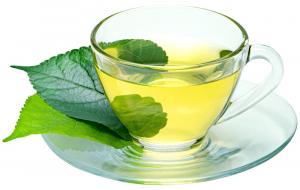
Green tea¹ is the most studied beverage in fibroid research.
Clinical studies have shown that epigallocatechin gallate (EGCG), a bioactive compound in green tea, may:
-
Inhibit fibroid cell proliferation
-
Reduce fibroid volume
-
Improve fibroid-related symptoms such as heavy bleeding
A randomized controlled trial published in The International Journal of Women’s Health found that women who took green tea extract experienced significant reductions in fibroid size and symptom severity compared to placebo.
What this means:
Green tea may help slow fibroid growth. It is not a cure, and results vary by individual.
Anti-Inflammatory Teas (Ginger and Turmeric)
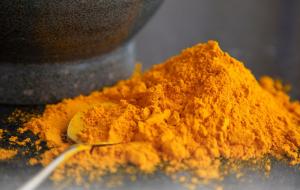
Inflammation plays a role in fibroid development and symptom severity. Ginger and turmeric contain compounds such as gingerol and curcumin that have been widely studied for their anti-inflammatory effects.
While no large trials directly link these teas to fibroid shrinkage, reducing systemic inflammation may:
-
Support hormonal balance
-
Help with pelvic discomfort
-
Improve overall reproductive health
These teas are best viewed as supportive, not therapeutic.
Citrus Water and Vitamin C–Rich Drinks
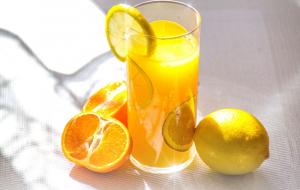
Vitamin C supports:
-
Immune function
-
Iron absorption, which is important for women with fibroid-related anemia
-
Liver detoxification pathways involved in estrogen metabolism
Staying well hydrated also supports circulation and overall metabolic health, which can indirectly help regulate hormones.
Beet Juice (Limited Evidence)
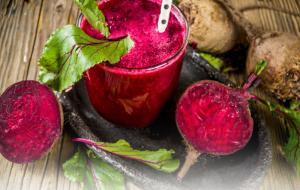
Beets support liver health, which is essential for breaking down excess estrogen. However, human studies directly linking beet juice to fibroid shrinkage are lacking.
If consumed, beet juice should be taken in moderation due to its natural sugar content.
Drinks That May Worsen Fibroid Symptoms
Research consistently suggests limiting:
-
Alcohol, which has been associated with higher estrogen levels
-
Sugary beverages, which can promote inflammation and insulin resistance
-
Excess caffeine, which may worsen symptoms in some women
These drinks do not cause fibroids, but they may contribute to conditions that allow fibroids to grow.
Why Drinks Alone Aren’t Enough to Shrink Fibroids
Even in studies where green tea showed promise, fibroids were not eliminated. They were only reduced in size or symptom severity. Fibroids can be multiple, deeply embedded in the uterine wall, and supplied by significant blood flow.
This is why many women continue to experience symptoms despite lifestyle changes.
If fibroids are causing:
-
Heavy or prolonged periods
-
Pelvic pain or pressure
-
Frequent urination
-
Anemia or fatigue
-
Fertility concerns
…it is a sign that medical evaluation is important.
SYMPTOMS CAUSED BY FIBROIDS? TAKE THE QUIZ
When to See a Fibroid Specialist
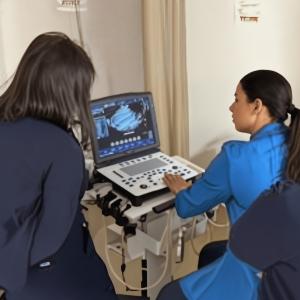
Dietary strategies may help support your body, but they cannot address the root cause of fibroids. Seeing a fibroid specialist allows you to:
-
Confirm fibroid type, size, and location
-
Rule out other causes of symptoms
-
Learn about all available treatment options
One increasingly recommended option is Uterine Fibroid Embolization (UFE).
How UFE Fits Into Fibroid Care
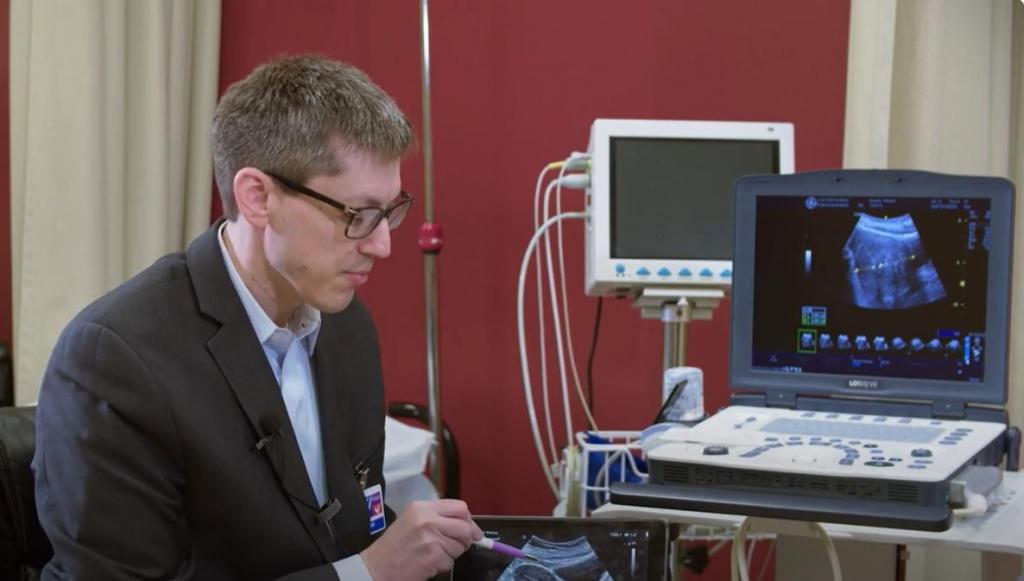
UFE is a minimally invasive, non-surgical procedure that:
-
Targets the blood supply feeding fibroids
-
Causes fibroids to shrink over time
-
Preserves the uterus
-
Is performed as an outpatient procedure
For many women, UFE provides significant and lasting symptom relief, especially when lifestyle changes alone are not enough.
What This Means for Women With Fibroids
Drinks and dietary changes can play a supportive role in fibroid management, but they cannot treat fibroids at their source. While options like green tea and anti-inflammatory teas may help reduce inflammation or slow growth for some women, fibroids are complex and often require medical evaluation to fully understand their impact.
If you are actively searching for what to drink to shrink fibroids, it may be a sign that symptoms are starting to affect your quality of life. That is when speaking with a fibroid specialist becomes an important next step. Understanding all treatment options, including Uterine Fibroid Embolization, can help you move from symptom management to long-term relief.