


Medically reviewed by
USA Fibroid Centers Medical Review Team
Experienced interventional radiology specialists
Reviewed: September 2026
Uterine fibroids may affect IVF success, but not always, and not equally. Whether fibroids interfere with in vitro fertilization (IVF) depends primarily on where they are located and how large they have grown. For women already managing a fibroid diagnosis while planning IVF, getting a clear picture of how these two conditions interact can make a meaningful difference in how you prepare, what questions you ask, and which treatment path makes the most sense for you.
How Fibroids May Affect the Uterine Environment
Fibroids are noncancerous growths of the uterus made up of muscle and fibrous tissue. When present during IVF treatment, they can affect the uterine environment in ways that make implantation more difficult for a transferred embryo. The degree of interference depends heavily on where the fibroid sits and how much it changes the shape of the uterine cavity.
Researchers have identified several ways fibroids may disrupt the conditions needed for a successful embryo transfer: they can distort the cavity where an embryo would implant, alter blood flow to the uterine lining, and affect the normal contractions that help position an embryo. Fibroids that grow entirely outside the uterus and do not press on the cavity rarely cause measurable fertility problems.
If you have been diagnosed with fibroids and are considering IVF, a fibroid specialist can evaluate how their size and location may be affecting your fertility. Understanding your specific fibroid profile is more useful than a general fibroid diagnosis alone. Learn more about fibroids and infertility.
Which Fibroid Types Have the Greatest Impact on IVF?
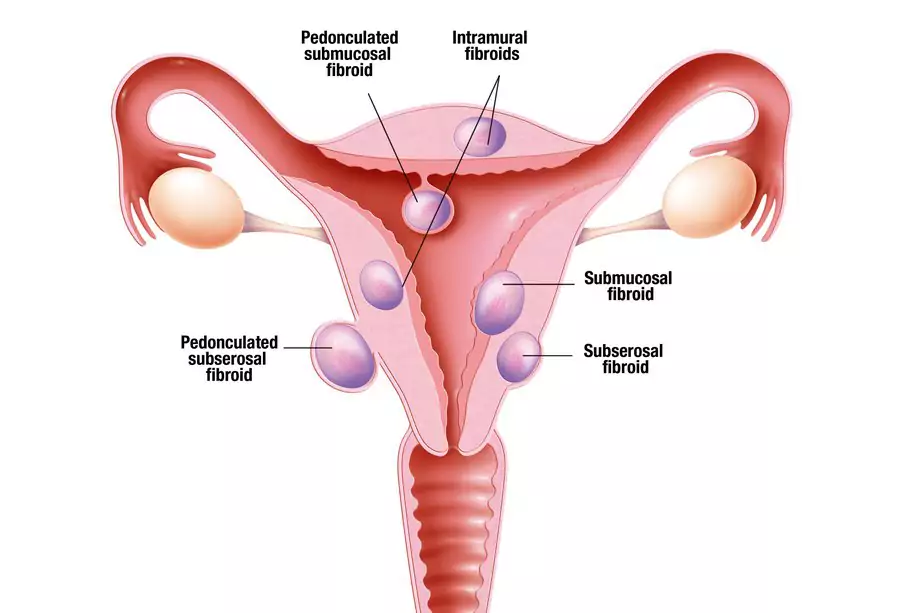
Not all fibroids carry the same fertility risk. The three main fibroid categories, submucosal, intramural, and subserosal, interact with IVF outcomes in different ways.
Submucosal Fibroids
Submucosal fibroids grow directly into the uterine cavity and have the most significant documented effect on IVF outcomes. Research published in Fertility and Sterility suggests these fibroids can reduce IVF implantation and pregnancy rates more than any other type, because they directly alter the lining where an embryo must attach.[1] Most fibroid and fertility specialists agree that submucosal fibroids typically warrant evaluation and, in many cases, treatment before beginning an IVF cycle.
Intramural Fibroids
Intramural fibroids grow within the muscular wall of the uterus. Their effect on IVF is more variable. Smaller intramural fibroids that do not reach or distort the uterine cavity may have little impact on IVF success. Larger ones, particularly those greater than 4 centimeters or those that press against the endometrial lining, may be associated with lower implantation and live birth rates. A matched observational study found that women with two or more intramural fibroids had notably lower pregnancy and live birth rates compared to women without fibroids, even when the cavity appeared undistorted on imaging.[2]
Subserosal Fibroids
Subserosal fibroids grow on the outer surface of the uterus. Unless they are very large or positioned in a way that displaces the ovaries, they are generally considered unlikely to affect IVF success directly. Many specialists recommend proceeding with IVF without prior intervention for subserosal fibroids that are not causing other symptoms.
Can You Do IVF With Uterine Fibroids?
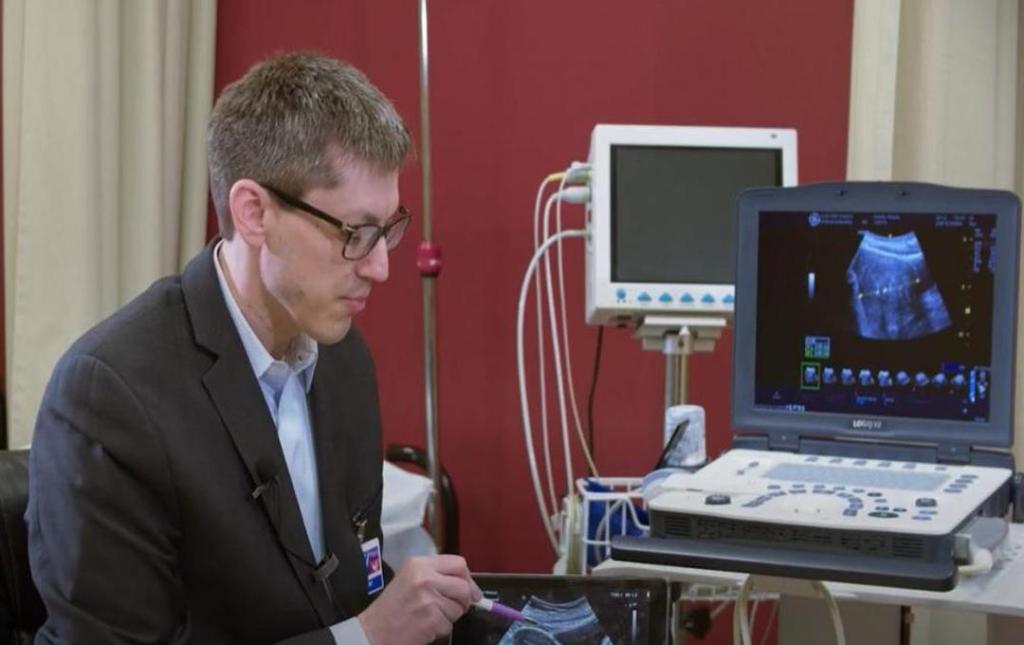
Many women with fibroids go on to conceive through IVF. The presence of fibroids does not rule out IVF, and many fibroid-related fertility challenges can be addressed with appropriate evaluation and planning. What matters is whether your specific fibroids are likely to interfere with embryo implantation or egg retrieval, two questions a fibroid specialist and your reproductive endocrinologist can evaluate together.
In cases where fibroids are small, subserosal, or not distorting the uterine cavity, an IVF team may recommend proceeding without prior fibroid treatment. In other cases, particularly where submucosal fibroids are present or where intramural fibroids are large, treatment before IVF may be recommended to improve the uterine environment. The decision depends on individual anatomy, fibroid characteristics, and fertility goals.
If you are currently weighing your options, a fibroid specialist can help you navigate the path forward. Learn more about getting pregnant with fibroids and what to consider before IVF.
Does IVF Make Fibroids Grow?
The hormonal stimulation used in IVF cycles, particularly the elevated estrogen levels that occur during ovarian stimulation, may temporarily cause fibroids to grow. Fibroids are estrogen-sensitive, and the stimulation medications used in IVF can accelerate growth during that period. In most cases, this growth is temporary and not considered a contraindication to IVF. However, it is a factor worth discussing with your care team, particularly if your fibroids are already large or in a location that could become problematic with additional size increase.
Monitoring during an IVF cycle can help track any changes in fibroid size. Your specialists can advise whether any interim monitoring or additional evaluation is needed based on your fibroid profile.
Fibroid Treatment Before IVF: What to Know About UFE
If fibroid treatment is recommended before IVF, Uterine Fibroid Embolization (UFE) is a minimally invasive, non-surgical option some women and their care teams consider. UFE works by blocking the blood supply to fibroids through a catheter-based embolization procedure, performed as an outpatient by an interventional radiologist. As blood flow to the fibroids is reduced, they shrink over time.
For women who have fibroids causing symptoms or affecting fertility, and who are not candidates for or do not wish to pursue surgery, UFE may offer a path to improving uterine conditions before fertility treatment. Research has shown that among women who were previously unable to conceive, pregnancy rates after UFE have been encouraging across multiple published studies.[3]
It is important to discuss UFE as part of fertility planning with both a fibroid specialist and a reproductive endocrinologist. Not all patients with fibroids are candidates for UFE, and not every fibroid requires treatment before IVF. A specialist evaluation helps determine whether UFE aligns with your fertility goals.
Ready to speak with a fibroid specialist about your fertility options? Find a USA Fibroid Centers location near you.
How Long After Fibroid Treatment Can You Start IVF?
If UFE or another fibroid treatment is part of your plan, your care team will generally recommend a waiting period before beginning an IVF cycle. This allows the uterus to recover and fibroids to shrink sufficiently to improve the uterine environment.
Based on published research cited by the National Institutes of Health, a waiting period of at least 3 to 6 months is commonly recommended after UFE before attempting to conceive.[4] The most significant reduction in fibroid volume typically occurs within the first six months after the procedure, which supports waiting for the full recovery period before proceeding with IVF. Individual recovery timelines vary, and your fibroid specialist and reproductive endocrinologist can guide when it may be appropriate to begin your IVF cycle based on follow-up imaging and clinical assessment.
For additional context on recovery and pregnancy timing, read more about pregnancy after UFE.
Treatment option: UFE
Fibroids Shouldn’t Stand Between You and Your Fertility Goals
Understanding how fibroids interact with IVF can feel overwhelming, especially when decisions about treatment timing may affect your fertility journey. The good news is that fibroid-related barriers to IVF are often addressable with the right specialist and the right plan.
UFE is a non-surgical, outpatient option that may help reduce fibroid-related obstacles before IVF by shrinking fibroids without the recovery time or risks of surgery. A fibroid specialist can evaluate your specific fibroid profile and help you understand whether UFE fits your fertility goals.
FAQs About Fibroids and IVF
- Fertility and Sterility, “Fibroids: when should they be removed to improve in vitro fertilization success?” fertstert.org/article/S0015-0282(18)30250-4/fulltext
- Medscape, “How Intramural Uterine Fibroids May Affect IVF Outcomes,” medscape.com/viewarticle/882507
- National Institutes of Health, National Library of Medicine, “Pregnancy success and outcomes after uterine fibroid embolization,” pmc.ncbi.nlm.nih.gov/articles/PMC6948071/
- USA Fibroid Centers, “Can You Get Pregnant After UFE Procedure?” usafibroidcenters.com/blog/pregnancy-after-uterine-fibroid-embolization/
Medical Disclaimer: This article provides educational information about uterine fibroids and IVF treatment planning. It is not a diagnosis or medical advice. Only a qualified fibroid specialist and reproductive endocrinologist can determine whether you have fibroids, how they may affect your fertility treatment, or recommend appropriate care.