

Medically reviewed by
Matthew French, M.D., FACC
Board-certified Interventional Radiologist, Fibroid Specialist, Cardiologist
Reviewed: September 2026
Finding a UFE doctor in Indianapolis involves more than locating a provider who offers fibroid treatment. Physician experience, pre-treatment evaluation, patient support services, and follow-up care can all play a role in the treatment experience. Understanding what to look for before scheduling a consultation can help patients make a more informed decision.
This article explains how to evaluate a UFE provider, what credentials and experience to look for, which questions to ask during a consultation, and how candidacy for treatment is determined.
What Type of Doctor Performs UFE?
UFE is performed by physicians who specialize in minimally invasive, image-guided procedures used to treat conditions through the vascular system. These providers have advanced training in catheter-based techniques and real-time imaging, which are essential for performing UFE safely and effectively.
Gynecologists evaluate fibroid symptoms and can confirm a diagnosis but typically refer patients to an interventional radiologist or vascular surgeon when UFE is a consideration. At centers that focus on fibroid treatment, that referral pathway is built in — the specialist performing UFE is the primary physician from consultation through follow-up.
Why Procedural Specialization Matters
UFE requires navigating the uterine arterial system with precision to deposit embolic particles that reduce fibroid blood supply. Interventional radiologists and vascular surgeons who concentrate their practice on embolization procedures bring a level of procedural experience that is relevant to outcomes. When evaluating a physician, the volume of UFE cases they have performed — not just general embolization cases — is a meaningful data point. For a broader overview of how fibroid specialists are categorized, the article on what is a fibroid doctor called provides additional clinical context.
What Credentials to Look For
These are helpful credentials to consider when choosing a UFE physician:
- Board certification in Interventional Radiology or Vascular and Interventional Radiology through the American Board of Radiology
- Fellowship training in interventional radiology, endovascular procedures, or a related specialty
- Specific experience performing uterine fibroid embolization (UFE), with a meaningful focus on treating fibroid patients
- Access to advanced imaging, such as pelvic MRI or ultrasound, for fibroid mapping and treatment planning
- A structured follow-up protocol that includes clinical assessment and imaging, typically within three to six months after treatment, to evaluate outcomes
How to Evaluate a UFE Center in Indianapolis

Indianapolis has multiple options for UFE. A center that focuses specifically on fibroid treatment will generally have more structured protocols around pre-procedure imaging, insurance coordination, and post-procedure follow-up than a general radiology practice where UFE is one of many procedures offered.
What to Look for in a UFE Center
A comprehensive fibroid treatment center should provide a thorough consultation that reviews your symptoms, medical history, treatment goals, and the size, location, and characteristics of your fibroids. Before recommending uterine fibroid embolization (UFE), providers typically use imaging such as a pelvic MRI or ultrasound to evaluate whether you are a good candidate for the procedure.
Patients should also receive clear information about insurance coverage, including any prior authorization requirements and anticipated out-of-pocket costs. Following treatment, ongoing follow-up care is important and may include clinical evaluations and imaging studies, often performed within three to six months, to assess treatment response and symptom improvement.
Could UFE Be Right for Me?
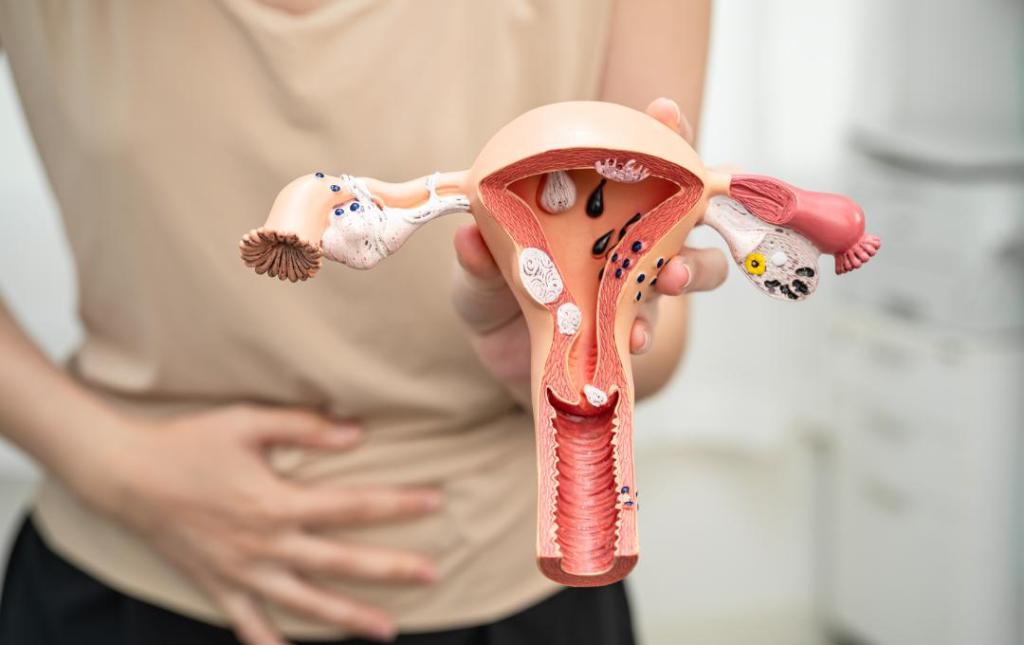
Candidacy for UFE is determined by fibroid type, location, size, symptom profile, reproductive goals, and overall vascular health. A specialist consultation combined with pelvic imaging is required to make that determination. General eligibility is not something that can be assessed through a symptom checklist — it requires individualized review.
Who May Be a Good Fit for UFE
Women with symptomatic fibroids causing heavy menstrual bleeding, pelvic pain or pressure, frequent urination, or anemia related to blood loss are commonly evaluated for UFE. The procedure may also be appropriate for women who want to preserve their uterus and avoid recovery associated with major surgery. Because UFE targets the uterine arteries that supply multiple fibroids simultaneously, women with multiple fibroids of varying sizes may find it a clinically efficient option.
When Another Treatment May Be Recommended
UFE is not indicated for all fibroid presentations. Active pelvic infection, pregnancy, and certain uterine or endometrial diagnoses are contraindications. Very large fibroids or specific anatomical configurations may also affect predicted response to embolization. A specialist will review imaging and medical history to determine whether UFE is appropriate for a given case, and if it is not, what alternatives are worth considering.
Wondering if UFE is available near you? Find the location closest to you.
Questions to Ask a UFE Doctor During a Consultation
A pre-procedure consultation allows patients to assess the physician’s experience and the overall quality of care provided by the treatment center. The following questions are relevant regardless of which UFE center or physician you are evaluating.
Questions About the Physician and Center
- How often do you perform UFE, and what are your typical outcomes for symptom relief and fibroid reduction?
- What imaging is required before the procedure, and is that coordinated by your center or referred out?
- What does the procedure day look like in terms of timing, sedation, and post-procedure monitoring?
- What is your follow-up protocol, and how do you confirm treatment success?
Questions About Candidacy and Recovery
- Based on my imaging and fibroid characteristics, am I a strong candidate for UFE?
- Are there any features of my fibroids — size, location, or number — that could affect how well UFE works for my case?
- What is the realistic recovery timeline, and are there activity restrictions?
- Can fibroids develop after UFE, and if so, how is that managed?
- Does your team handle insurance verification and prior authorization directly?
Insurance and Coverage for UFE
UFE is covered by many health insurance plans when it is recommended for the treatment of symptomatic fibroids. Coverage, deductibles, copays, and prior authorization requirements vary by plan. Patients should contact their insurance provider or treatment center to verify benefits before scheduling a procedure.
USA Fibroid Centers offers insurance verification support to help patients understand their coverage and potential out-of-pocket costs. Additional detail on the verification process is available in the article on insurance coverage for fibroid treatment.
UFE at USA Fibroid Centers in Indianapolis
USA Fibroid Centers’ Indianapolis location is staffed by physicians who are experienced in uterine fibroid embolization and minimally invasive fibroid treatment. The center operates on an outpatient basis, with pre-procedure imaging coordination, insurance verification, and structured post-procedure follow-up as part of the standard care process.
Our fibroid doctors follow evidence-based clinical protocols across all USA Fibroid Centers locations, with a consistent approach to candidacy assessment and treatment.
Treatment option: UFE
Ready to Take the Next Step?
Selecting the right UFE provider involves evaluating physician experience, center protocols, and the quality of pre- and post-procedure care. The most direct way to assess whether UFE is appropriate for your situation is through a consultation with a specialist and a review of your imaging.
USA Fibroid Centers’ Indianapolis location offers outpatient UFE with pre-procedure imaging coordination, insurance verification, and structured follow-up care. A fibroid specialist can help you understand whether UFE may be right for your situation.
FAQs About Finding a UFE Doctor in Indianapolis
- Society of Interventional Radiology, “Uterine Fibroid Embolization,” sirweb.org/patients/uterine-fibroids/
- Office on Women’s Health, U.S. Department of Health and Human Services, “Uterine Fibroids,” womenshealth.gov/a-z-topics/uterine-fibroids
- National Institute of Environmental Health Sciences (NIEHS), “Uterine Fibroids,” niehs.nih.gov
- UnitedHealthcare, “Abnormal Uterine Bleeding and Uterine Fibroids Clinical Policy,” uhcprovider.com (2026)
Medical Disclaimer: This article provides educational information about uterine fibroids and treatment options. It is not a diagnosis or medical advice. Only a qualified fibroid specialist can determine whether you have fibroids or recommend appropriate treatment.