


It is possible to have both fibroids and cysts at the same time. It is a common misconception that reproductive health issues occur in isolation. In reality, many women experience multiple conditions simultaneously. Two of the most frequent diagnoses in gynecological health are uterine fibroids and ovarian cysts.
While they are distinct conditions with different origins, it is very common to find ovarian cysts and fibroids together. Because they share several overlapping symptoms, such as pelvic pain and bloating, having fibroids and cysts at the same time can complicate a diagnosis and leave patients feeling overwhelmed. Understanding the nuances of each is the first step toward finding relief.
Understanding Fibroids and Cysts
To understand how these conditions interact, we must first understand what is happening inside the body. While both fibroids and cysts can cause significant pelvic pressure, they are fundamentally different in their “make-up.”
- Uterine Fibroids: These are noncancerous growths of the muscle tissue in or on the uterus. Their size is highly variable; they can range from microscopic seeds to large, heavy masses (the size of an orange or, in extreme cases, even a watermelon) that physically distort the uterus’s shape.
- Ovarian Cysts: These are fluid-filled sacs that develop on or inside the ovaries. Most are functional (related to the menstrual cycle) and disappear on their own, but others can grow large or rupture, causing significant pain.
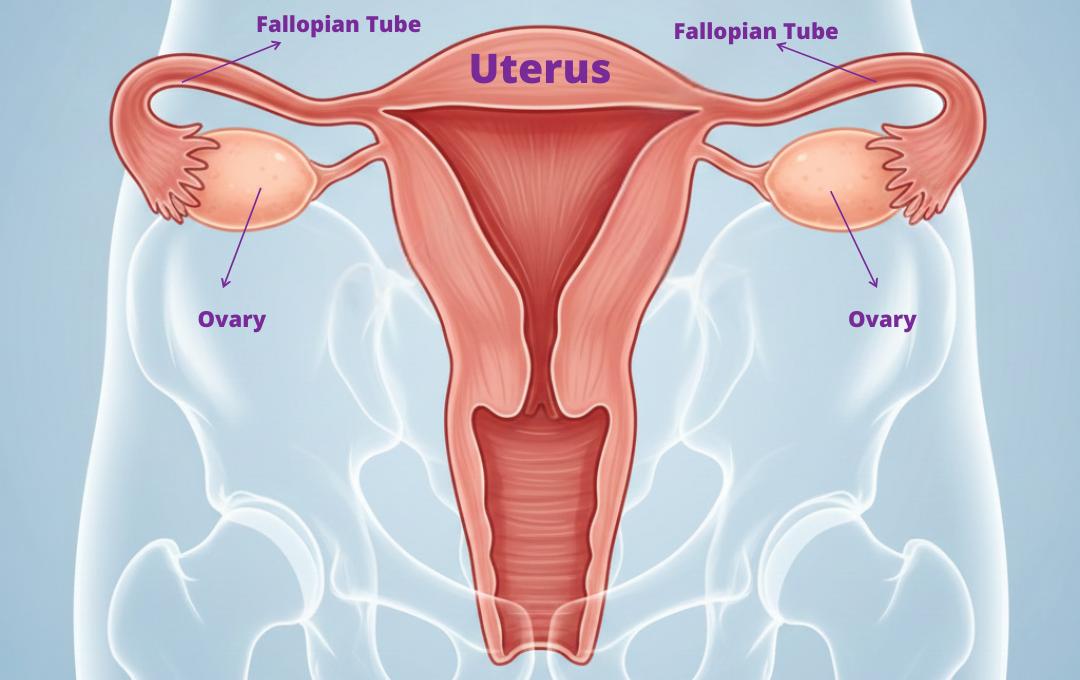
When most women experience heavy pressure in the pelvic region, they might be concerned about fibroids and cysts in the uterus. However, it is important to distinguish between the two based on their location: fibroids grow within the uterine walls, while cysts are typically found on the ovaries. Although they originate in different locations, it is common for a patient to learn that they have both fibroids and cysts during a routine pelvic exam or imaging.
Learn How Fibroids are Diagnosed
How Ovarian Cysts and Fibroids Can Occur at the Same Time
Since both cysts and fibroids are highly prevalent, many patients find themselves navigating a “double diagnosis.” In these cases, they are forced to manage two distinct types of growths occurring in different areas of the reproductive system simultaneously. When these conditions coexist, uterine fibroids and ovarian cysts create a complex symptom profile. This overlap often explains why some patients experience pain or bleeding that is significantly more severe and harder to treat than a single diagnosis would suggest.
It is quite common for women to develop ovarian cysts and fibroids together because both conditions are often driven by the same hormonal environment. During a woman’s reproductive years, “estrogen dominance” (where estrogen levels are high relative to progesterone) can simultaneously stimulate the growth of solid masses in the uterine wall and disrupt the follicle release process in the ovaries. This shared trigger means that the factors increasing your risk for one, such as hormonal imbalances or obesity, often increase your risk for the other, leading many women to manage both cysts and fibroids at the same time.
The relationship between these conditions is primarily defined by their location and physical structure. Uterine fibroids (leiomyomas) are firm, solid non-cancerous tumors made of smooth muscle and fibrous tissue that develop exclusively within or on the uterus. In contrast, ovarian cysts are fluid-filled or semi-solid sacs that form on or inside the ovaries. The uterus and ovaries are part of a connected system, which is why some women experience a wider range of symptoms that don’t seem to fit a single condition.
What Causes Uterine Fibroids and Ovarian Cysts?
The exact cause of uterine fibroids and ovarian cysts remains a subject of ongoing research, but they share a common driver: hormones.
Biological and Medical Drivers
These are the physiological processes and underlying health conditions that directly contribute to the development of fibroids and cysts.
- Hormonal Influence: Estrogen and progesterone support the growth of uterine fibroids, while fluctuations during the menstrual cycle are the primary cause of functional ovarian cysts.
- Inflammation: Pelvic inflammatory disease (PID) can cause infection and inflammation of the upper reproductive organs, potentially leading to PID.
- Underlying Medical Conditions: Chronic reproductive issues, such as endometriosis, are closely linked to the growth of both cysts and fibroids.
Lifestyle and Predisposing Risk Factors
These are the external factors, habits, or inherited traits that can increase your overall vulnerability.
- Obesity: Because excess body fat increases estrogen levels, it creates an environment more conducive to these growths.
- Genetic Factors: Having a family history of either condition significantly increases your personal risk.
- Lifestyle and Diet: Specific dietary patterns—such as a high intake of red meat and a low intake of fiber, fruits, and vegetables—are associated with greater susceptibility.
Shared Symptoms of Ovarian Cysts and Fibroids
Because the uterus and ovaries are located in close proximity, cysts and fibroids often produce a “heavy” feeling in the pelvic region. Other shared symptoms of uterine fibroids and ovarian cysts include:
- Pelvic pressure or fullness
- Bloating or abdominal swelling
- Pain during intercourse
- Frequent urination (due to pressure on the bladder)
Symptoms More Common With Fibroids
While symptoms overlap, uterine fibroid symptoms often lean more toward cycle disruption:
- Heavy or prolonged menstrual bleeding
- Anemia and fatigue
- Lower back pain
- Constipation
Try the Fibroid Symptom Checker
Symptoms More Common With Ovarian Cysts
Ovarian cysts are more likely to cause:
- Sharp, sudden pain (if the cyst ruptures or causes torsion)
- Dull ache on one specific side of the pelvis
- Pain that occurs around the time of ovulation
If you are unsure whether ovarian cysts or uterine fibroids are causing your symptoms, then schedule a consultation with a fibroid specialist for an accurate diagnosis.
Can Uterine Fibroids and Ovarian Cysts Affect Getting Pregnant?
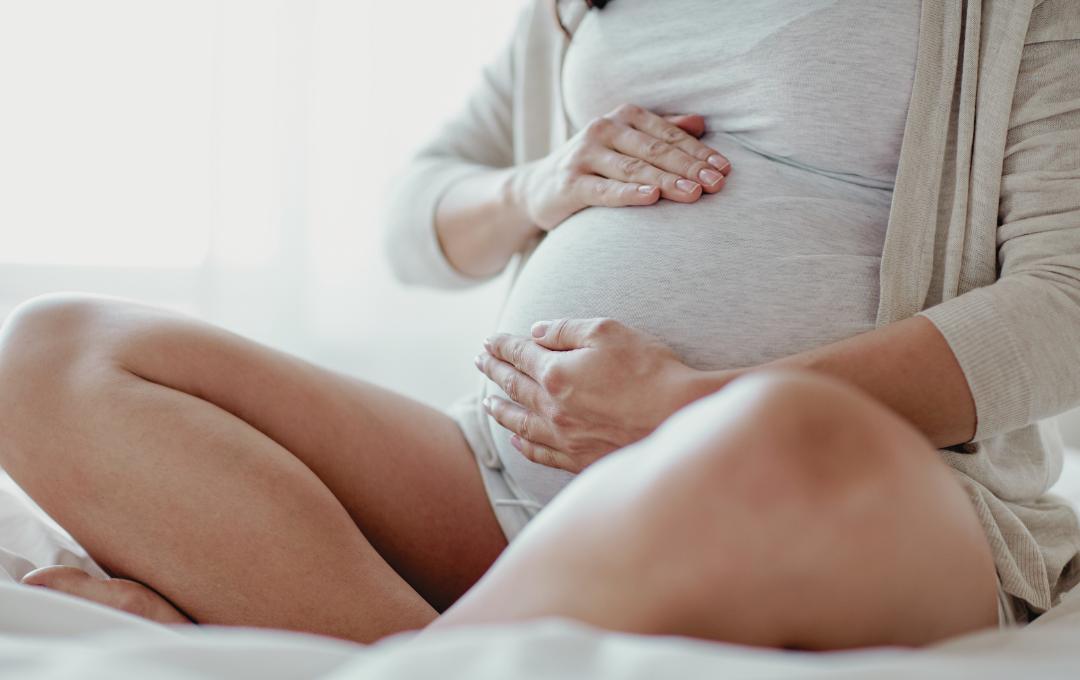
Most women are concerned about whether they can get pregnant with fibroids and ovarian cysts. Pregnancy with fibroids and cysts is generally possible, but both conditions should be monitored.
Fibroids can occasionally block the fallopian tubes or interfere with the implantation of an embryo, depending on their size and location. Ovarian cysts, particularly those caused by conditions like polycystic ovary syndrome (PCOS) or endometriosis, may also impact fertility.
- PCOS primarily hinders conception by preventing the regular release of eggs (ovulation).
- Endometriosis can lead to “chocolate cysts” (endometriomas) that may damage ovarian tissue, reduce egg count, and cause inflammatory blockages.
When you have fibroids and ovarian cysts at the same time, they can increase the risk of pelvic pain during pregnancy or, in rarer cases, issues with fetal positioning.
If you are planning a pregnancy, a comprehensive evaluation can support your reproductive health.
How Are Fibroids and Cysts Diagnosed?
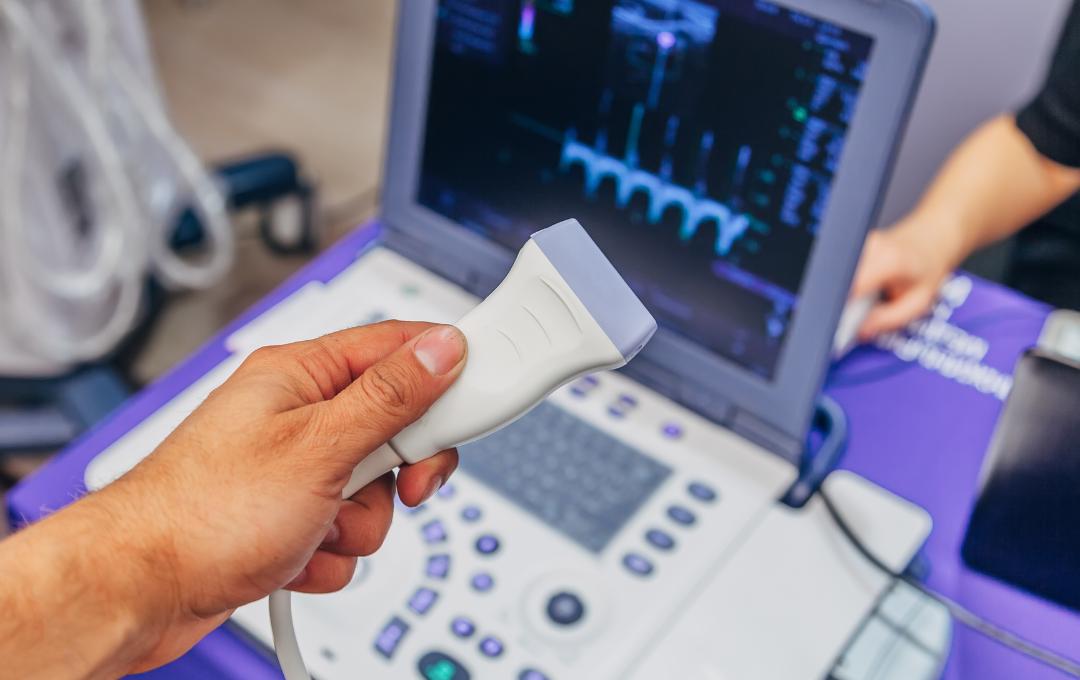
Differentiating between fibroids and cysts based on symptoms alone is difficult and requires a proper medical diagnosis. To determine if you have ovarian cysts and fibroids together, your doctor will typically start by administering a pregnancy test to ensure your symptoms aren’t related to a developing pregnancy. Once that is ruled out, they may do a pelvic exam to manually check for abnormal lumps or structural changes within the reproductive organs.
To gain a clearer view of both cysts and fibroids, ultrasound is the primary diagnostic tool, using sound waves to map the uterus and ovaries and determine whether growths are solid fibroid tissue or fluid-filled cysts.
If ovarian cysts and fibroids are suspected at the same time, an MRI may be conducted to provide a more detailed map of the pelvis.
What Are Treatments For Ovarian Cysts and Fibroids?
The treatment for cysts and fibroids depends on which condition is most impacting your quality of life.
Ovarian Cyst Treatment: Most functional cysts resolve on their own. However, if a cyst is persistent or painful, your doctor may recommend a laparoscopic procedure to remove it. Other options include hormonal medications to prevent future cysts or, in specific cases, needle aspiration to drain fluid.
Fibroid Treatment: While major surgeries like hysterectomy or myomectomy were once the only options, they often involve long recoveries. Uterine fibroid embolization (UFE offers a modern, non-surgical alternative.
At USA Fibroid Centers, our interventional radiologists use UFE to shrink fibroids by blocking their blood supply. This outpatient procedure preserves the uterus, requires no general anesthesia, and allows most patients to return to their normal lives within two weeks.
Fibroid Treatment at USA Fibroid Centers
If you are struggling with heavy cycles and pelvic pain, consulting a specialist who can distinguish whether your symptoms stem from fibroids or ovarian cysts can put you on the path to feeling better. While many cysts are managed through monitoring, fibroids often require active intervention to provide relief.
Managing ovarian cysts and fibroids together requires a precise, personalized approach to care. At USA Fibroid Centers, our experts use advanced diagnostic imaging to ensure an accurate diagnosis and pinpoint the exact cause of your discomfort. If fibroids are the primary source of your pain, we offer uterine fibroid embolization (UFE)..This non-surgical, outpatient treatment is designed to shrink fibroids and stop heavy bleeding without the scars, risks, or long recovery times associated with invasive surgery.
Don’t let fibroids and cysts disrupt your daily routine.
FAQs about Fibroids and Cysts
Can you get pregnant with fibroids and ovarian cysts?
Yes, you can get pregnant with fibroids and ovarian cysts while managing ovarian cysts and fibroids together. However, depending on the size and location of the growths, having both conditions simultaneously may increase the risk of fertility challenges or pregnancy complications. To ensure the best possible outcome for you and your baby, a consultation with a specialist is recommended before trying to conceive.
Can fibroids become cystic?
Fibroids cannot become cystic as they are solid muscular tumors, whereas cysts are fluid-filled. While a fibroid cannot “turn into” a cyst, a large fibroid can undergo “cystic degeneration.” This occurs when the fibroid grows so rapidly that it outstrips its blood supply, causing parts of the tissue to die and form a liquid-filled cavity within the fibroid.
Which is more serious, a cyst or a fibroid?
As uterine fibroids and ovarian cysts are typically benign (noncancerous), neither is inherently more serious. However, an ovarian cyst can be a medical emergency if it ruptures or causes ovarian torsion (twisting). Fibroids are usually a “chronic” quality-of-life issue, causing long-term pain and heavy bleeding that can lead to severe anemia.