


Medically reviewed by
Dr. Jacob White, MD, RPVI
Interventional Radiology, Fibroid Specialist, and Medical Director
Reviewed: October 2026
Yes, fibroids can cause sleep deprivation. For many women living with uterine fibroids, a good night’s rest can feel completely out of reach. While fibroids are widely recognized for causing pelvic discomfort and heavy menstrual cycles, their severe impact on sleep quality is often overlooked. Night after night, physical symptoms like sharp pelvic pain, uncomfortable pressure, and the relentless urge to run to the bathroom interrupt deep sleep cycles.
This continuous cycle of disrupted rest leaves many women feeling chronically exhausted, foggy, and drained during the day—often without realizing that their fibroids are the actual cause. If you are constantly waking up exhausted despite spending hours in bed, your symptoms may be silently undermining your rest. Understanding exactly how fibroids sabotage your sleep is the vital first step toward finding targeted relief, restoring your energy, and finally putting an end to restless nights.
Why Fibroids Can Keep You Up at Night
Fibroids are non-cancerous growths that form in or around the uterus. On their own, they do not hurt. But as they grow, they can press on nearby organs and nerves. They can also cause heavier periods than usual. Both of these changes can make it hard to fall asleep and stay asleep.[1]
For many women, fibroid symptoms feel worst at night. Lying down can add pressure to the pelvis. Hormone shifts tied to fibroid growth may also affect your sleep-wake cycle. Pain, bleeding, and bathroom trips often work together to steal the rest you need.
Signs your sleep trouble may be linked to fibroids include:
- Waking up more than once a night to use the bathroom
- Needing to change pads or tampons at night because of heavy bleeding
- Cramping or pressure that gets worse once you lie down
- Feeling tired in the morning even after a full night in bed
- Daytime tiredness that rest does not seem to fix
If a few of these sound familiar, fibroids may play a bigger role in your sleep than you thought.
Pelvic Pain and Pressure That Disrupt Sleep
Fibroid pain often feels like a dull ache or heavy pressure in the lower belly. Some women feel sharp cramping instead.[2] This pain can get worse when you lie flat, which can make it hard to find a comfortable position.
Some women find relief by lying on their side with a pillow between their knees. A slightly reclined position may also ease the pressure. These steps may help for one night, but they do not treat the fibroid causing the pain.
Heavy Bleeding and Nighttime Bathroom Trips
Heavy bleeding is one of the most common fibroid symptoms, and it does not stop just because you are trying to sleep.[1] Many women wake up to change pads or tampons. Others stay anxious about leaking through their sheets. Both can make deep sleep hard to reach.
Large fibroids can also press on the bladder. This added pressure can cause frequent urination, including the need to get up several times a night to use the bathroom.[2] If nighttime bathroom trips are wearing you down, learn more about frequent urination caused by fibroids and when it may point to something more.
Fibroid Anemia and Daytime Exhaustion
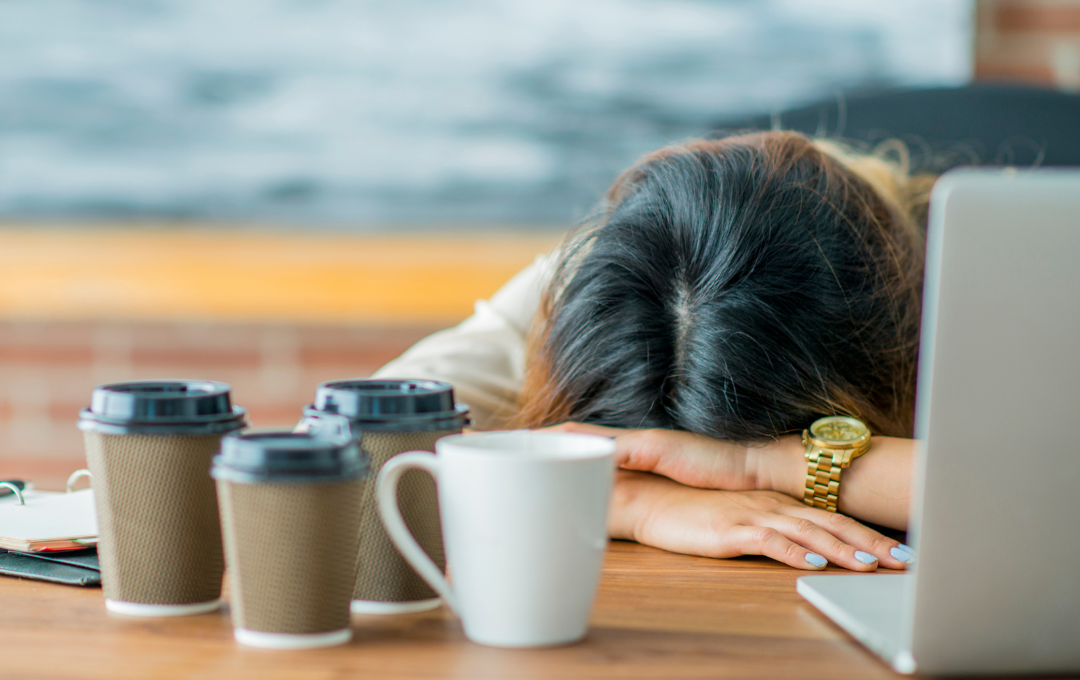
Heavy bleeding over time can lead to iron-deficiency anemia, a condition where your blood does not carry enough oxygen to your tissues.[1] Anemia can leave you feeling drained even after a full night of sleep, which adds to the exhaustion caused by broken rest.
If you feel tired no matter how much you sleep, anemia may be part of the problem. Learn more about fibroid-related anemia and how it may affect your energy.
Can Fibroid Leg Pain Keep You Awake?
Fibroid leg pain is less common than pelvic pain. It can happen when a large fibroid presses on nearby nerves, including the sciatic nerve.[3] When this happens, you may feel a dull ache in your hip or thigh, or a sharp pain that shoots down one leg, much like sciatica.
This type of pain often shows up at night, since lying down can shift pressure onto the affected nerve. If leg pain is part of why you cannot sleep, mention it to a fibroid specialist, since it may point to a larger fibroid that needs a closer look.
When Sleep Loss Signals It Is Time to See a Specialist
Everyone has a restless night now and then. But if fibroid symptoms keep costing you sleep, it may be a sign that lifestyle changes alone will not be enough. Ongoing tiredness can also wear down your mood and patience, making hard symptoms feel even harder. Learn more about the emotional side of fibroid symptoms if sleep loss is affecting more than just your energy.
Short-term fixes, like changing your sleep position or adjusting your nighttime routine, may help for a while. But they do not treat the fibroids causing your symptoms.
A visit with a fibroid specialist usually starts with questions about your symptoms, including how they affect your sleep. Next comes an ultrasound to check the size and location of your fibroids. From there, a specialist can walk you through options like UFE and help you decide on next steps.
Wondering if UFE is available near you? Find the location closest to you.
Treatment option: UFE
You Do Not Have to Keep Losing Sleep
Knowing why fibroids disrupt your sleep is a good first step, but it does not fix the pain, bleeding, or pressure keeping you up at night.
Uterine Fibroid Embolization is a minimally invasive, outpatient option that works directly on the fibroids causing your symptoms, without surgery or a long recovery. A fibroid specialist can help you learn if UFE may be right for you.
FAQs About Fibroids and Sleep
- Office on Women’s Health, U.S. Department of Health and Human Services, “Uterine Fibroids,” womenshealth.gov/a-z-topics/uterine-fibroids
- National Institute of Child Health and Human Development (NICHD), “What are the symptoms of uterine fibroids?” nichd.nih.gov/health/topics/uterine/conditioninfo/symptoms
- Society of Interventional Radiology, “Uterine Fibroid Embolization,” sirweb.org/patients/uterine-fibroids/
Medical Disclaimer: This article provides educational information about uterine fibroids and treatment options. It is not a diagnosis or medical advice. Only a qualified fibroid specialist can determine whether you have fibroids or recommend appropriate treatment. If you have heavy periods, pelvic pain, or sleep problems you believe may be related to fibroids, consult a healthcare provider or contact USA Fibroid Centers for an evaluation.