


When Real Housewives of Atlanta star Porsha Williams went public with her emergency partial hysterectomy, she did something many women rarely do: she talked about it openly. Williams shared that she underwent the surgery after doctors discovered 21 uterine fibroids, one of which had grown to the size of a cantaloupe. Her story is both a personal reckoning and a public health wake-up call.
What Happened to Porsha Williams
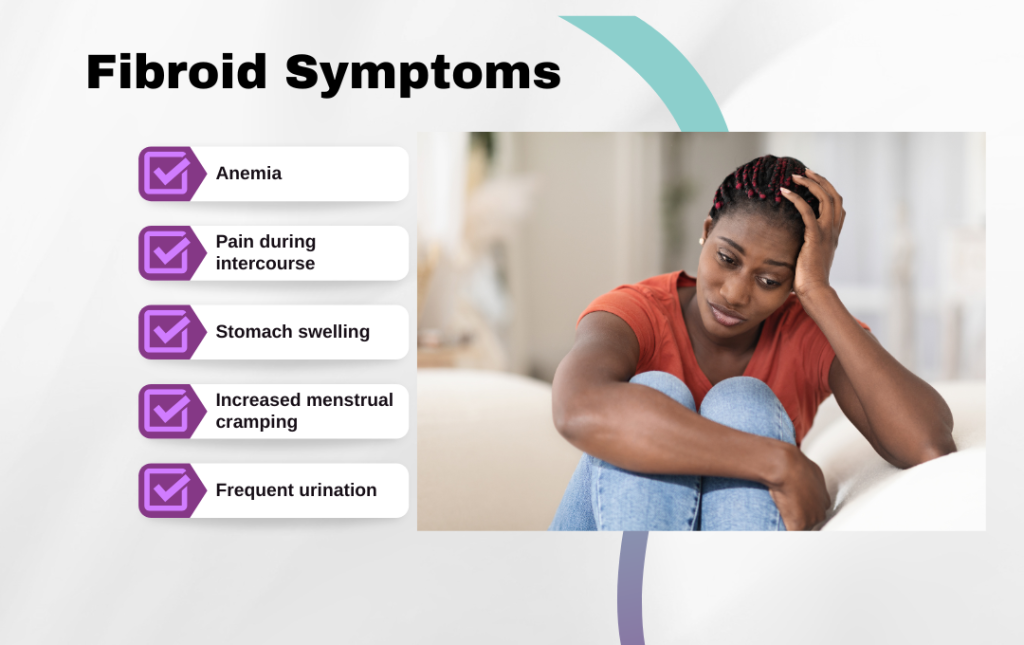
Williams had been dealing with unusually long periods, migraines, extreme fatigue, and mood swings. Her menstrual cycle had stretched to around six weeks. But here is the detail that will resonate with so many women: at 45, she attributed the changes to perimenopause because fibroids were not exactly on her radar, despite having dealt with them before. When doctors confirmed it was fibroids, she described being completely blindsided.
She was not ignoring her body. She was misreading the signals, and that distinction matters enormously because it happens to women every day.
Williams had dealt with fibroids for years and had previously sought treatment to manage them. Over time, however, she stopped monitoring her condition closely. It was only when she accompanied a friend to a fertility appointment and decided on impulse to ask for an exam herself that the full picture emerged. Doctors discovered more than 15 large fibroids in her uterus, plus endometriosis and another diagnosis involving the uterine lining. They scheduled the surgery within two weeks.
Williams has since written that having the hysterectomy saved her life. “My quality of life has improved 100 percent since. I hadn’t realized the fibroids were behind my migraines, my low iron levels, or how stressed my body had been just from everyday life,” she wrote. The fibroids had also grown large enough to close off more than 60 percent of her birth canal and put her bladder at risk from the sheer weight.
Why Many Women Mistake Fibroids for Perimenopause
Williams’ assumption that her symptoms were perimenopause-related is understandable, and it is far more common than most women realize. Perimenopause typically begins in the mid-40s and can last anywhere from two to ten years. During this transition, estrogen levels spike and dip unpredictably, causing menstrual cycles to become erratic or irregular. While many expect periods to lighten during this phase, estrogen spikes can actually cause heavier bleeding and worse cramping.
Here is what makes this particularly tricky: fibroids can surge in growth during perimenopause. While estrogen eventually declines, the sharp hormonal spikes leading up to menopause act as fuel, reawakening dormant fibroids and triggering sudden pain or heavy bleeding. In other words, the same hormonal environment that produces perimenopause symptoms can also accelerate fibroid growth simultaneously.
In one study, more than 30 percent of new fibroid diagnoses were in people aged 45 to 49, precisely the age range when women are most likely to chalk symptoms up to the natural transition of midlife. Uterine fibroids can lead to heavy menstrual bleeding as well as longer, more frequent, and more painful periods. The blood loss from fibroids can also cause anemia, which then produces its own set of symptoms including fatigue, dizziness, and headaches, all of which further blur the line between fibroids and perimenopause.
Williams was 45 when her diagnosis came. She had a 7-year-old daughter and had recently begun thinking about whether a sibling might be possible. That hope, combined with symptoms she attributed to aging, meant she was not connecting the dots. It is a pattern that costs women time, options, and in some cases, their uterus.

Not sure whether what you are experiencing is fibroids, perimenopause, or both? Take our free fibroid symptom checker to better understand your symptoms and whether it may be time to talk to a specialist.
Why Do Fibroids Become Severe Enough to Require a Hysterectomy?
Most women with fibroids do not end up needing a hysterectomy. But Williams’ case illustrates how quickly and silently the condition can escalate. Symptoms like fatigue, heavy periods, frequent urination, and pelvic pressure are easy to attribute to stress, age, or hormonal changes, and fibroids continue growing in the background the entire time.
Physicians may recommend a hysterectomy when fibroids are too large or numerous for other treatments to provide lasting relief, when bleeding has caused ongoing anemia, or when the uterus itself has been significantly compromised. The American College of Obstetricians and Gynecologists identifies uterine fibroids as the most common reason for a hysterectomy. Williams asked whether another procedure was possible, but given how advanced her fibroids had become, her doctor determined the partial hysterectomy was the appropriate path forward. Her ovaries were preserved.
Can Fibroids Be Treated Before a Hysterectomy Becomes Necessary?
For many women, the answer is yes, particularly when fibroids are identified before they become as extensive as Williams’ were. There is a meaningful range of treatment options available today, and a hysterectomy is not the only path to lasting relief.
Uterine Fibroid Embolization (UFE)
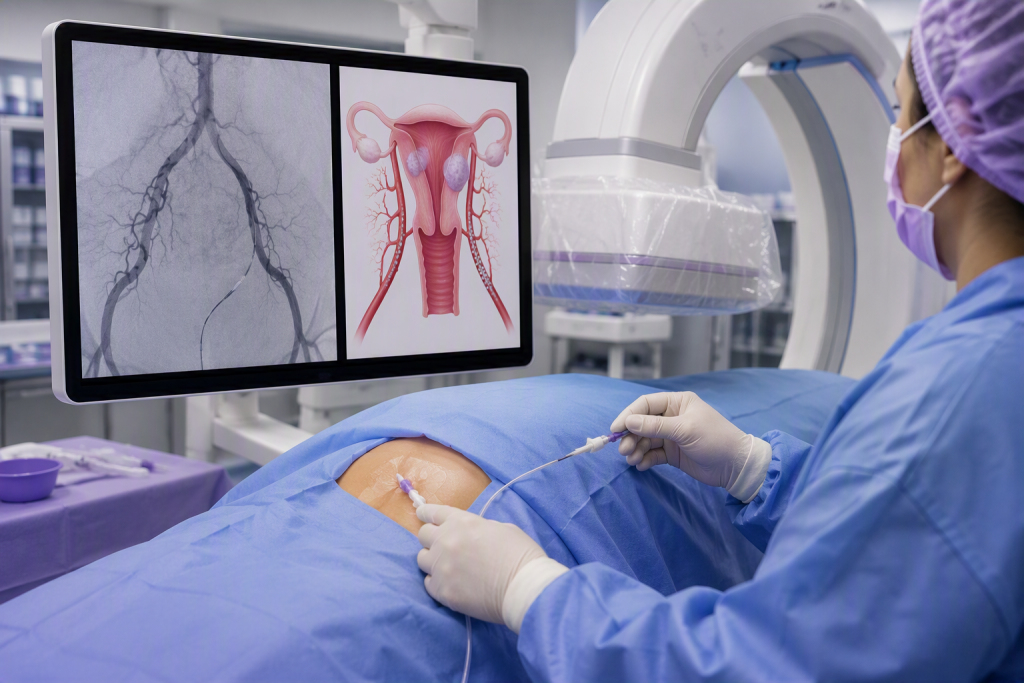
Uterine fibroid embolization or UFE is one of the most effective non-surgical options available. The procedure works by blocking the blood vessels that supply the fibroids, cutting off the blood flow they need to grow and survive. Over time, the fibroids shrink and symptoms improve significantly.
One of the most common reasons women delay treating their fibroids is concern about preserving future fertility. Many assume that UFE, like a hysterectomy, will close the door on having children. This is a widespread misconception, and it leads women to put off treatment far longer than they should.
Research On UFE and Fertility Is Positive
The research on UFE and fertility is more reassuring than many women realize. Fertility in women of normal childbearing age is preserved and can even be enhanced by UFE when infertility issues are being caused by the fibroids themselves. Ovarian reserve levels, which naturally decline as a woman ages, are not further diminished by UFE. Early studies raised concerns about the procedure’s impact on fertility, but those findings were based on data from women whose fertility was already affected by age. A systematic review of published studies found that pregnancy rates following UFE are comparable to age-adjusted rates in the general population, and healthy pregnancies after UFE have been documented across multiple centers worldwide.
Delaying fibroid treatment out of fertility concerns, on the other hand, can allow fibroids to grow to the point where they actually impair fertility or eliminate uterine treatment options altogether. The fibroids themselves are often a greater threat to future pregnancy than the treatment.
UFE does not require general anesthesia in the same way surgery does, and most women return to normal activities within one to two weeks. It preserves the uterus entirely and is often an excellent first-line option for women who want to avoid surgery.
The Earlier Fibroids Are Diagnosed, the More Options Women May Have

Williams has been clear that women need to stop diagnosing themselves and start advocating for professional evaluation, noting that she wishes she had asked the right questions far sooner. She has also said that seeing someone openly discuss fibroids years earlier would have prompted her to seek answers sooner, which is a large part of why she chose to share her experience publicly.
Her story also underscores that fibroids disproportionately affects Black women, who are more likely to undergo hysterectomies as a result. Persistent symptoms should not be normalized or quietly endured.
The perimenopause assumption is one that many women make every year. Symptoms that feel like aging are sometimes fibroids. Symptoms that feel like stress are sometimes fibroids. And fibroids that go unmonitored and untreated can eventually leave a woman with fewer choices than she deserved to have.
Do not wait for symptoms to get worse.
If you have been experiencing heavy periods, fatigue, pelvic pressure, frequent urination, or other symptoms that do not feel right, a fibroid specialist at USA Fibroid Centers can help you understand what is going on and what your options are.
Schedule an appointment today and take the first step toward answers.