
Have you ever felt like you finally survived your period, only to be met with a brand-new struggle the moment your flow ends? If you’re dealing with constipation after your period, that quiet, uncomfortable situation many face, you’re not alone. Usually, this happens because your hormones don’t “reset” immediately; as levels shift, your gut needs extra time to find its rhythm again.
However, hormones aren’t always the only factor. For some women, the cause is structural rather than chemical. Uterine fibroids—non-cancerous growths on the uterus—can physically press against the bowel, turning a temporary post-period “lag” into a chronic struggle. Recognizing if your symptoms are a temporary hormonal shift or a result of persistent physical pressure is key to understanding when to take a closer look at your reproductive health.
What is Constipation?
Before diving into the “why,” it’s helpful to understand that constipation isn’t just a feeling of fullness; it occurs when waste moves too slowly through the digestive tract. This “slow transit” allows the colon to absorb too much water, leaving stool hard, dry, and difficult to pass.
Common signs include:
- Having fewer than three bowel movements a week.
- Stools that are lumpy or hard.
- Straining or a sensation of a blockage preventing a complete movement.
If your constipation lasts more than a week or feels like a “physical wall” is preventing movement, you may be dealing with more than just a sluggish hormonal cycle. When common remedies like hydration and movement fail to provide relief, it’s time to look at a possible physical cause.
How is Constipation Related to My Period?
During your period, you might feel like your bathroom habits change along with your mood. Your gut is highly sensitive to the chemical shifts of your menstrual cycle, primarily due to how hormones influence gastrointestinal motility—the involuntary muscle contractions that move food and waste through your digestive tract.
The Hormone-Gut Connection
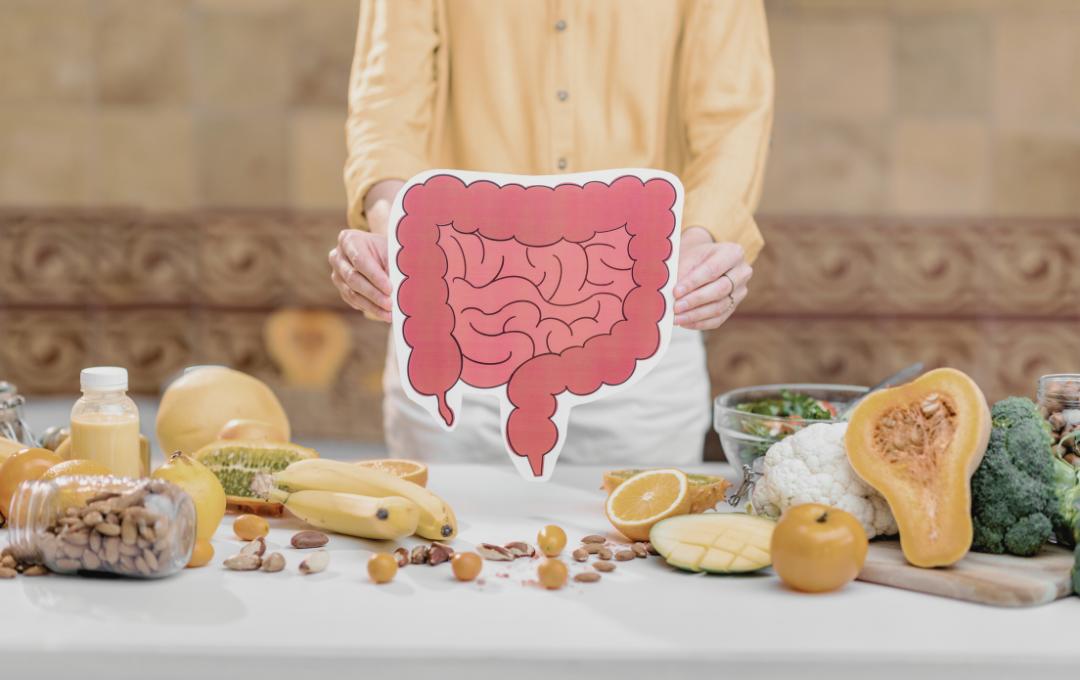
The speed of your digestive tract is largely dictated by the following:
- Progesterone: After ovulation, progesterone levels spike. This hormone relaxes smooth muscle tissue, which can slow down digestion and lead to menstrual constipation in the days leading up to your period.
- Prostaglandins: As your period begins, your body releases prostaglandins to help the uterus contract. These can leak over to the bowels, causing them to contract as well, often switching you from constipation to diarrhea.
- Water Retention: Fluctuating estrogen levels cause the body to retain more water and sodium, contributing to that heavy, pressurized feeling of joint inflammation or period bloating.
Constipation After Your Period vs. Constipation During Your Period
Managing your digestion can feel like a confusing mess because your hormones are constantly changing. While many people expect period constipation to hit at the same time every month, the “who” and “why” behind the backup change depending on where you are in your cycle.
The primary difference between constipation during the menstrual period and the sluggishness that follows is a shift in chemical signaling:
- During your period: While high levels of prostaglandins usually cause “period poops,” some bodies react to the drop in progesterone by slowing down too quickly, especially if hydration isn’t keeping up with blood loss.
- After your period: As prostaglandin levels plummet, the “leftover” relaxing effects of progesterone from the previous week can linger, leading to constipation after your period. Without those prostaglandins to keep things moving, your gut hits a lull.
Is Constipation After Your Period Normal?
If you find yourself reaching for the prune juice the moment your flow ends, you aren’t alone. Many people wonder, “Is constipation after a period normal?” and the answer usually comes down to timing.
- The 1–3 Day Window: Feeling sluggish for one to three days after your period is generally considered a “digestive lag.” If it clears up with extra water, it’s likely just your cycle’s natural rhythm.
- Persistent Symptoms: You should consult a professional if your digestive lag consistently exceeds a three-day window, causes intense pain, or occurs alongside symptoms like heavy bleeding or pelvic pressure.
Common Causes of Constipation After Your Period Ends
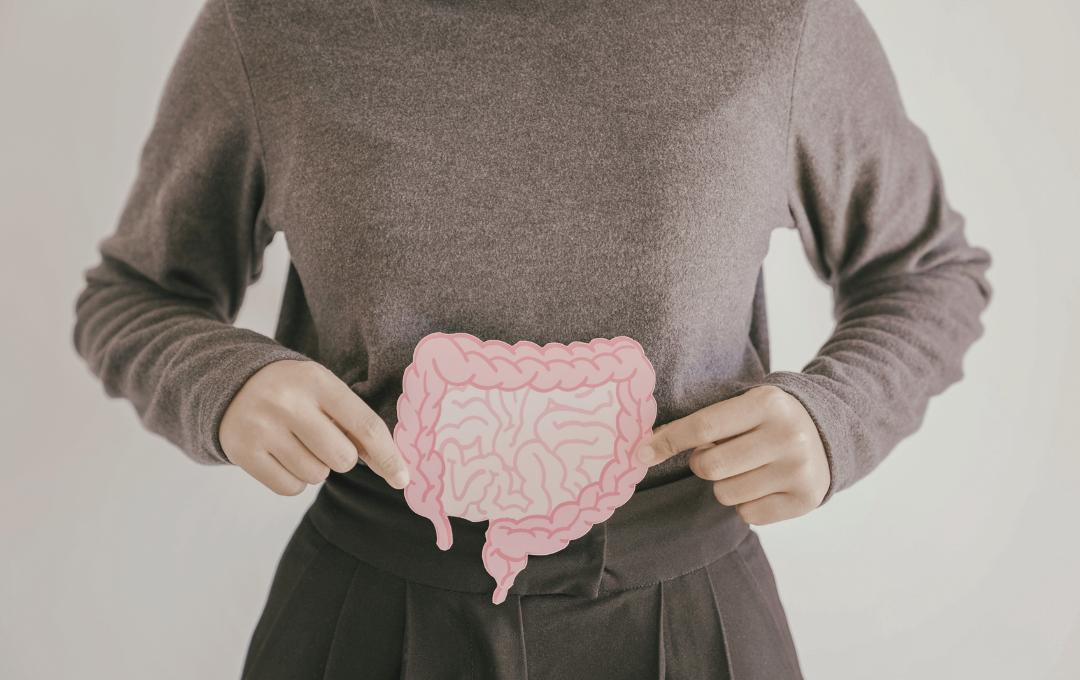
While we often talk about digestive issues during menstruation, experiencing constipation after your period ends is incredibly common. Just as the cramps subside, post-period constipation often takes their place. This backup is usually triggered by a combination of hormonal shifts and the lifestyle adjustments we make during our flow:
- Physical Compression: Uterine fibroids, especially those located on the posterior (back) wall of the uterus, can press directly against the rectum. This creates a physical obstruction that narrows the passage for stool, making bowel movements difficult and infrequent regardless of your diet or hormones.
- Hormone Changes: As your period wraps up, progesterone acts as a natural muscle relaxant, which can slow down the “motility” of your digestive tract.
- Iron Supplements: If you have a heavy flow, you might be taking iron supplements to combat fatigue, or anemia. Iron is a primary cause of hard, difficult-to-pass stools.
- Hydration Shifts: Your body loses significant fluid during your period. If you haven’t replenished those fluids, your colon pulls water from your waste, leading to dehydration.
- Reduced Movement: If cramps kept you skipping the gym, that lack of physical activity can lead to a sluggish bowel.
When Constipation Signals an Underlying Condition
When you ask, “Why am I constipated after my period?” every month, it may be a sign of uterine fibroids causing bowel pressure or constipation. Fibroids can grow on the outer wall of the uterus and press directly against the rectum, creating a physical roadblock for your digestive system.
If lifestyle changes like extra fiber and water aren’t providing relief, the issue may not be your digestion at all. Instead, it’s time to look at whether physical pressure from your uterus—such as a growth like a fibroid—is creating a literal roadblock in your system.
USA Fibroid Centers offer uterine fibroid embolization (UFE) a non-surgical treatment that shrinks fibroids by blocking their blood supply. By reducing the size of the growths, UFE effectively lifts the pressure off your bowel and restores your digestive health without the need for invasive surgery. See if UFE is the right path for your relief.
Fibroids and Post-Period Constipation
Uterine fibroids, particularly those on the posterior wall, can exert direct pressure on the rectum, acting as a physical roadblock for your digestive system. This mechanical obstruction is a primary reason for post-period constipation; while hormonal shifts settle, the physical mass of the fibroid remains.
Additionally, fibroids often cause pelvic congestion and inflammation that slow down gastric motility. If you notice constipation after your period cycles end, it may be due to this lingering internal pressure. Understanding the link between fibroids and constipation is essential for managing constipation and your period effectively.
Adenomyosis, Endometriosis, and Constipation Symptoms
Both adenomyosis and endometriosis contribute to bowel dysfunction through inflammation and structural changes. In adenomyosis, the uterus becomes enlarged and heavy, creating constant pelvic pressure that leads to period constipation.
Endometriosis involves tissue growth on the bowels or pelvic floor, causing “flares” of inflammation and adhesions that can physically restrict the intestines. This often results in post-period constipation or constipation after menstruation, as the pelvic cavity remains irritated even after flow ceases. If you experience chronic bowel issues, exploring the symptoms of adenomyosis may provide the answers you need.
USA Fibroid Centers offers uterine artery embolization (UAE), a non-surgical way to treat adenomyosis by blocking the blood vessels that feed diseased tissue. By cutting off the supply of oxygen and nutrients, this procedure causes the affected areas to shrink, significantly reducing inflammation and pain.
Uterine artery embolization also referred to as uterine fibroid embolization (UFE), was traditionally used to treat fibroids. Our specialists use this same image-guided technology to treat both diffuse and focal adenomyosis. This minimally invasive approach provides lasting relief from heavy bleeding without a hospital stay, preserving the uterus and supporting future fertility.
When to Talk To a Doctor
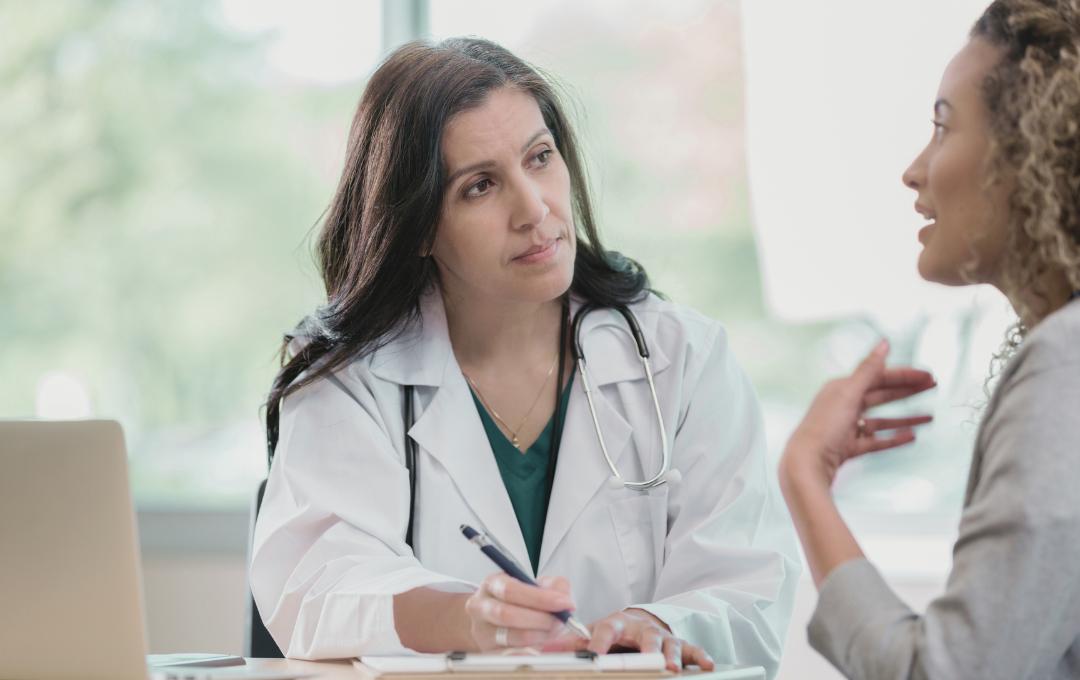
When constipation after menstruation goes hand in hand, most women reach for more fiber or extra water. While these home remedies are a solid first step, they often provide only temporary relief if the underlying cause is more complex.
For women with uterine fibroids, the luteal phase (the week before a period) can be particularly difficult. As the uterus naturally thickens and becomes heavier during this stage, any existing fibroids can exert even more physical pressure on the surrounding organs. When you combine “sluggish” digestion caused by progesterone with the physical obstruction of a fibroid pressing against the rectum, constipation becomes much more severe.
While focusing on high-fiber foods and extra hydration the week before your period can help keep your digestive transit time on track, these efforts may not be enough if a fibroid is physically blocking the way. If you are consistently battling constipation that lingers even after your period ends, it may be time to move from the kitchen cabinet to a clinical diagnosis.
How Constipation After Your Period is Evaluated
If your symptoms are chronic, a professional evaluation is essential to rule out more than just slow digestion.
- Pelvic Exams: Necessary to check for pelvic floor dysfunction or structural issues that physically impede bowel movements.
- Ultrasounds: Used to identify conditions like endometriosis or fibroids, which can put pressure on the colon.
- Hormonal Assessment: Helps determine if lingering progesterone or other imbalances are the primary culprits.
Seeking a clinical opinion ensures you are treating the root cause rather than just managing recurring symptoms. When a fibroid or adenomyosis creates a physical “blockage” against your colon, lifestyle changes alone aren’t enough—you have to address the source.
Fibroid Treatment Options To End Period-Related Constipation
While fiber and hydration support general gut health, they cannot move a physical obstruction. Uterine fibroid embolization is a treatment that provides a targeted solution by shrinking the growths causing constipation and your period struggles.
Key Benefits of UFE:
- Non-Surgical: No major incisions or hospital stays.
- Targeted Shrinkage: Reduces the fibroid mass to clear the “blockage.”
- Faster Relief: Quickly eases pelvic pressure and digestive backup.
- Same-Day Recovery: Return home the same day and resume everyday life faster.
If you’ve tried every diet change but period constipation persists, it’s time to stop managing the symptoms and start treating the source. Persistent pelvic pressure isn’t just an inconvenience; it’s a sign that your body needs a permanent solution.
USA Fibroid Centers’ specialists focus on UFE to help you find relief without the need for major surgery. You don’t have to let constipation and your period dictate your schedule anymore. Find a location near you and set up an appointment today.
Frequently Asked Questions (FAQs)
Can your period make you constipated?
Your period can make you constipated. High levels of progesterone before your period relax the smooth muscles in the digestive tract. This slows down bowel contractions, leading to a sluggish system and harder stools.
How long does period constipation last?
Period constipation can usually last 48 to 72 hours. Once your period begins, progesterone levels drop, and prostaglandins rise, which typically restarts bowel movements and resolves the backup.
Why is it hard to pass stools (poop) after your period?
Difficulty passing stools after your period typically stems from two main factors: hormonal shifts and physical pressure.
- Hormonal Shifts: As your period ends, levels of progesterone—a hormone that can relax your digestive muscles—drop, which may cause your gut to “lag” as it tries to find its rhythm again.
- Physical Pressure: If the sensation feels more like a blockage than a slow cycle, it could be caused by uterine fibroids. These growths can physically crowd the rectum, making it difficult for waste to pass through.
Can fibroids cause constipation?
Fibroids can cause constipation. Large fibroids on the back of the uterus can exert direct pressure on the rectum. This physical obstruction makes it difficult for waste to pass through the bowel.