


While estrogen is widely suspected of playing a key role in the development of uterine fibroids, research has yet to prove it acts alone. To understand what drives these non-cancerous growths, we have to look at their hormonal partner: progesterone. Rather than acting as a safeguard, clinical research shows that progesterone and fibroids have a complex relationship where progesterone actually works alongside estrogen to stimulate and fuel tumor growth. The interplay between uterine fibroids and progesterone can inadvertently create the perfect environment for these growths to thrive.
When fibroid tissues react to these fluctuating hormones, your body can send clear warning signs. This hormonal activity can trigger heavy or irregular periods, pelvic pain, a feeling of abdominal heaviness, severe bloating, and cyclical mood changes.
If these symptoms sound familiar, understanding the biological role of progesterone for fibroids can be an important step. Recognizing how these hormonal shifts impact your symptoms helps you to better advocate for your health and seek a timely medical evaluation.
What Does Progesterone Do in the Body?
To understand how progesterone and fibroids interact, it helps to know what this hormone does. Normally, these hormones work together to:
- Estrogen: Build the uterine lining each month.
- Progesterone: Stabilize the lining and prepares the uterus for pregnancy.
Together: Regulate normal menstrual cycle changes. When this balance is disrupted, the complex uterine fibroids and progesterone connection alters how cells behave, creating an environment where these non-cancerous growths can develop and thrive. If you are experiencing changes in your cycle, learning about the role of progesterone for fibroids is a great way to better understand your symptoms and advocate for your health.
Learn More About the Causes of Fibroids
Can Low Progesterone Cause Fibroids?
Low progesterone does not directly initiate the formation of uterine fibroids, but hormonal shifts can create the environment necessary for their growth. Fibroid development is heavily linked to how your body processes estrogen. In a normal cycle, estrogen and progesterone work in a delicate balance.
When these hormones fall out of sync, estrogen can signal the uterus to grow tissue without its usual checks and balances. This explains why a hormone imbalance and fibroids are so closely linked.
The connection between progesterone and fibroids comes down to how cells talk to each other. When these two hormones are out of balance, the signals that tell the uterine tissue to multiply stay turned “on.” While the underlying causes of fibroids involve genetics and family history, many women still wonder, can low progesterone cause fibroids?
Rather than one low hormone being the single culprit, research shows that the complex relationship between uterine fibroids and progesterone is what influences how these non-cancerous tumors grow. Understanding the role of progesterone for fibroids is highly important, as managing these hormonal shifts along with understanding your available fibroid treatment options is a main focus for regulating uterine tissue and relieving symptoms.
Common Signs Fibroids May Be Hormone-Related

While some uterine fibroids cause no symptoms, their behavior is frequently tied to fluctuating hormone levels. Recognizing specific patterns in your menstrual cycle can help you determine if a hormonal shift is actively driving tissue growth.
Common hormone-related fibroid symptoms include:
- Heavy or prolonged periods
- Pelvic pressure
- Lower back pain
- Frequent urination
- Bloating
- Breast tenderness
- Mood changes
- Irregular menstrual cycles
The most prominent indicator is a sudden change in bleeding patterns. Experiencing severe heavy bleeding with fibroids and hormones can cause periods to last longer than seven days or require changing sanitary products every hour. This often intensifies when estrogen and progesterone levels fluctuate unpredictably.
As shifting hormones encourage tissue growth, you may experience pelvic pressure, lower back pain, or frequent urination. These physical changes frequently co-exist with hormone imbalance symptoms that women commonly report, such as cyclical bloating, breast tenderness, and severe mood fluctuations.
Does Progesterone Cause Fibroids to Grow?
Medical research indicates that the relationship between hormones and uterine tissue is complex¹. While estrogen is a known promoter of cellular growth, clinical studies show that progesterone also significantly influences tumor expansion². When addressing the question, does progesterone cause fibroids to grow, the answer centers on how these cells interact with natural hormonal cycles.
How progesterone stimulates fibroid growth:
- Fibroids develop extra hormone receptors.
- Progesterone binds to those receptors.
- The cells receive signals to divide.
- Growth factors increase.
Fibroids continue to grow because they contain an unusually high number of hormone receptors. Compared to healthy uterine muscle, fibroid tissue has significantly more estrogen and progesterone receptors. This makes the tumors especially responsive to progesterone, which binds to the cells and triggers cellular growth and division, particularly during the luteal phase of the menstrual cycle.
This dual dependency on both hormones complicates treatment approaches for progesterone fibroid interactions. While low progesterone relative to estrogen creates an environment for growth, the presence of progesterone itself stimulates fibroid cells. Understanding this activity is why advanced fibroid treatments frequently target both hormones rather than focusing on estrogen alone.
Could I Have Fibroids? Take The Quiz
How Progesterone and Estrogen Work Together to Fuel Fibroid Growth
Uterine fibroids thrive in a hormone-dominant environment, relying on a coordinated interaction between estrogen and progesterone. While a common clinical focus is placed on high estrogen levels, it is a medical misconception that estrogen dominance is the sole factor driving tumor expansion. Progesterone also plays an active, direct role in fibroid cell activity rather than just serving as a passive counterweight.
| Stage of the Menstrual Cycle | What Happens |
| First Half (Follicular Phase) | Estrogen stimulates the growth of the uterine lining and encourages fibroid cells to multiply. |
| Second Half (Luteal Phase) | Progesterone binds to receptors on fibroid cells, promoting additional cell division and growth factor production. |
| Overall Effect | Estrogen and progesterone work together to continuously support fibroid growth throughout the menstrual cycle. |
What Happens to Fibroids After Menopause?
The significant hormonal changes of menopause that occur at the end of a woman’s reproductive years directly affect uterine fibroids.
Before Menopause (Perimenopause)
- Hormone levels fluctuate.
- Fibroid symptoms may temporarily worsen.
- Fibroids may grow.
After Menopause
- Estrogen and progesterone decline.
- Fibroids often shrink.
- New fibroids rarely develop.
If Taking Hormone Replacement Therapy
- Symptoms may return.
- Existing fibroids can enlarge.
- New bleeding should always be evaluated.
Does Increasing Progesterone Help Shrink Fibroids?
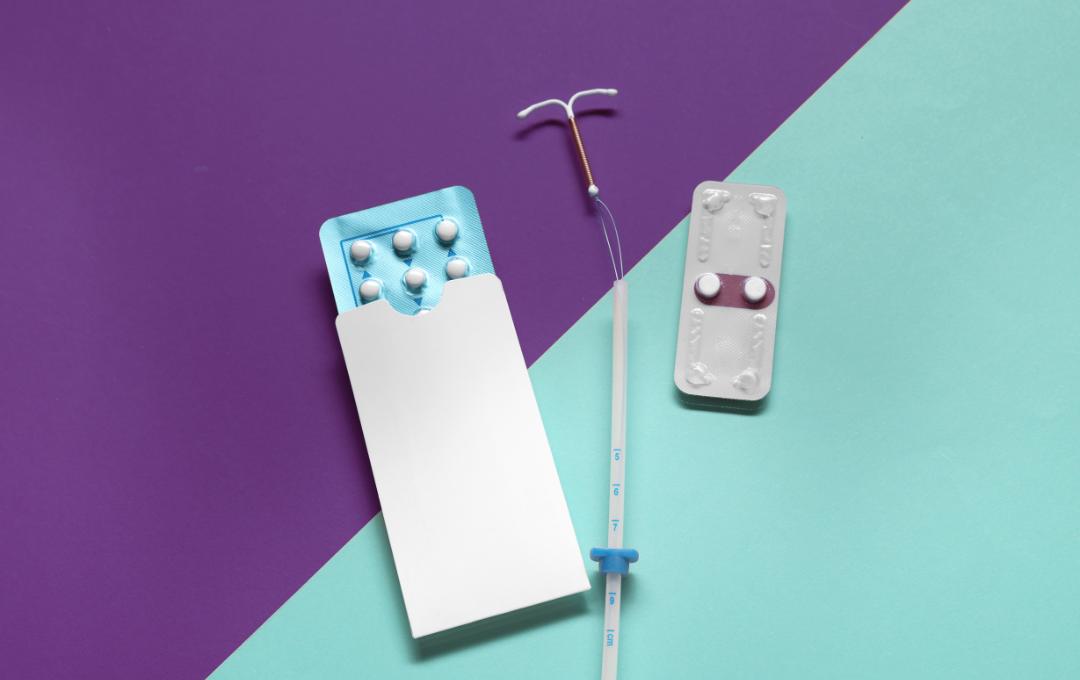
The clinical effect of raising your hormone levels depends entirely on the delivery method and the specific type of medication used. Exogenous progesterone therapy does not reliably reduce tumor volume, and because fibroid tissue contains a high concentration of progesterone receptors, increasing this hormone can sometimes stimulate further cell division. While progesterone supplementation is frequently prescribed to manage symptom severity—such as stabilizing the uterine lining to control heavy bleeding—it does not decrease the physical size of the growths.
To find effective relief, it is essential to distinguish between different hormonal treatments, as they have opposite effects on uterine tissue:
| Treatment | What It Does | Shrinks Fibroids? |
| Progesterone supplements | Help control bleeding | Usually no |
| Hormonal IUD/Birth control | Manage symptoms | Usually no |
| Progesterone blockers (PRMs) | Block progesterone receptors | Often yes |
Determining whether to use or block progesterone for fibroids depends entirely on the size, location, and symptoms of the growths, as well as your reproductive goals. Because the wrong hormonal treatment can worsen symptoms, clarifying whether increasing progesterone helps with fibroids requires a precise medical strategy. Evaluating whether progesterone shrinks fibroids in your specific case should never be self-prescribed and always requires a specialist evaluation to ensure a safe, targeted treatment plan.
Meet With A Fibroid Specialist
H2: Effective Treatments for Uterine Fibroids
Managing the complex relationship between progesterone and fibroids requires a personalized medical approach based on your symptoms, tumor size, and reproductive goals. Because fibroid tissue reacts to both estrogen and progesterone, effective treatment strategies range from medical management to minimally invasive procedures and surgery.
Medical and Hormonal Therapies
For many women, the first line of defense focuses on controlling symptoms like heavy bleeding and pelvic pain by altering the hormonal environment:
- Progesterone Blockers and Modifiers: Medications such as selective progesterone receptor modulators (SPRMs) directly block progesterone receptors in the fibroid cells, which can effectively shrink tumor volume and stop heavy bleeding.
- Gonadotropin-Releasing Hormone (GnRH): These medications temporarily lower both estrogen and progesterone production, inducing a menopause-like state that shrinks fibroids ahead of surgery.
- Hormonal IUDs and Oral Contraceptives: While these progestin-based options do not reduce the size of the tumors, they are highly effective at thinning the uterine lining to manage heavy bleeding.
Minimally Invasive and Surgical Options
When hormonal therapies targeting uterine fibroids and progesterone, procedural treatments may be recommended to directly address fibroid growth. These options range from minimally invasive techniques to surgery, depending on symptom severity, fibroid size, and patient goals—including whether preserving the uterus is important. Many patients seek options that avoid major surgery, making minimally invasive approaches an important part of treatment planning.
- Uterine Fibroid Embolization (UFE): A minimally invasive procedure where small particles are injected into the blood vessels supplying the uterus, cutting off blood flow to the fibroids and causing them to shrink.
- Myomectomy: A surgical procedure that removes the fibroids while leaving the healthy uterine tissue intact, making it the preferred choice for women who wish to preserve future fertility.
- Hysterectomy: The complete or partial removal of the uterus, providing a definitive cure for severe, recurrent fibroid symptoms when fertility is no longer a consideration.
When to See a Fibroid Specialist
Managing the intersection of progesterone and fibroids requires expert medical guidance when symptoms begin to interfere with your daily life. Schedule an evaluation with a fibroid specialist if you experience:
- Heavy bleeding lasting longer than one week
- Severe pelvic pain
- Persistent pelvic pressure
- New symptoms after menopause
- Symptoms that interfere with daily activities
- Questions about hormone therapy for fibroids
A consultation is critical if you are considering hormonal therapies like progesterone for fibroids to manage symptoms. Because uterine fibroids and progesterone have a complex relationship—where the hormone can control bleeding but also stimulate receptors inside the growths—self-treating can inadvertently accelerate tissue expansion. A specialist can perform advanced imaging, evaluate the precise size and location of the tissue, and design a safe, targeted treatment plan.
Take the Next Step Toward Relief with USA Fibroid Centers
USA Fibroid Centers provides comprehensive care for individuals experiencing the painful symptoms of hormonal imbalances and fibroid growth. Our team specializes in uterine fibroid embolization (UFE), a non-surgical, outpatient procedure designed to block the blood supply to fibroids, causing them to shrink while completely preserving the uterus.
This advanced treatment addresses the symptoms without requiring long-term hormone therapies or complex surgical interventions. Schedule a consultation at one of our nationwide locations to receive a personalized evaluation and establish an effective, targeted path to long-term relief.
FAQs About Progesterone and Fibroids
What are the signs of too much progesterone?
Signs of too much progesterone can include a constant feeling of tiredness or sluggishness. You might also notice swollen or tender breasts, bloating, and mild mood swings.
Is progesterone good for fibroids?
Progesterone has mixed effects on fibroids. It can help lighten heavy period bleeding, but because fibroids feed on this hormone, it can also cause the growths to expand.
Which hormone shrinks fibroids?
No hormone shrinks fibroids. To make fibroids get smaller, treatments actually have to block or lower your natural levels of estrogen and progesterone.
Can a hormone imbalance cause fibroids?
A hormone imbalance does not cause fibroids on its own, as fibroids mostly start from genetics. However, having too much estrogen compared to progesterone acts like fuel that makes them grow.
Does birth control affect fibroids?
Birth control changes your hormone levels to help control heavy bleeding and cramps, but it usually does not change the actual size of the fibroids.
Can fibroids affect hormone levels?
Fibroids do not make hormones or change the overall hormone levels in your blood. They simply have many docking sites that bind to and use the hormones your body already makes.
Sources:
- Dias, Isabelle, Vincent Wuidar, Manon Zielonka, and Christel Pequeux. 2024. “Unraveling the Dynamics of Estrogen and Progesterone Signaling in the Endometrium: An Overview.” Cells 13 (15): 1236–36. https://doi.org/10.3390/cells13151236.
- Ali, Mohamed, Michał Ciebiera, Somayeh Vafaei, Samar Alkhrait, Hsin-Yuan Chen, Yi-Fen Chiang, Ko-Chieh Huang, Stepan Feduniw, Shih Min Hsia, and Ayman Al-Hendy. 2023. “Progesterone Signaling and Uterine Fibroid Pathogenesis; Molecular Mechanisms and Potential Therapeutics.” Cells 12 (8): 1117–17. https://doi.org/10.3390/cells12081117.