


Medically reviewed by
 Dr. Jacob White, M.D., RPVI
Interventional Radiology, Fibroid Specialist, Medical Director. Reviewed: September 2026
Noticing unexpected blood on your underwear or toilet paper is a common experience, but it often causes immediate confusion or concern. Spotting outside of a typical menstrual period usually stems from one of three primary causes: early pregnancy, hormonal fluctuations from birth control, or structural reproductive conditions like uterine fibroids.
Because each cause follows distinct patterns, identifying key factors like timing, color, and flow makes it easier to interpret what your body is experiencing. Understanding the clear differences between implantation bleeding and breakthrough bleeding, along with how fibroid-related spotting presents, provides clarity on your reproductive health and helps guide productive conversations with a healthcare provider.
What Is Implantation Bleeding?
Implantation bleeding may happen in early pregnancy. It can occur when a fertilized egg attaches to the lining of the uterus.
What it usually looks like:
- Light pink or brown spotting
- A few spots on tissue or underwear, not a steady flow
- Lasts a few hours to about two days
When it usually happens: About 6 to 12 days after ovulation. That is often a few days before you expect your period.
How you may feel: Mild cramps or no pain at all. Some women also notice early pregnancy signs, like sore breasts or feeling tired.
Not everyone has implantation bleeding. Many healthy pregnancies never have it.
What Is Breakthrough Bleeding?
Breakthrough bleeding is bleeding or spotting that happens between periods. It is most often linked to hormone changes.
Common causes include:
- Starting or changing birth control, especially in the first three months
- Missing pills or taking them at different times
- Stress, illness, or big changes in sleep or weight
- Hormone shifts in the years before menopause
What it usually looks like: Spotting that can be pink, red, or brown. It may last a day or two, or come and go for longer. The amount can range from light spotting to a flow that needs a pad.
The Three Main Causes of Unexpected Bleeding
To figure out what is happening, it helps to look at the spotting vs period difference and understand why each type of unexpected bleeding occurs:
- Implantation Bleeding: This happens when a fertilized egg attaches to the lining of the uterus. It is an early sign of pregnancy and occurs for about 1 in 3 pregnant women.
- Breakthrough Bleeding: This refers to light bleeding or spotting between your regular menstrual periods. It often occurs due to hormonal birth control, stress, or natural hormone fluctuations.
- Fibroid Spotting: Non-cancerous growths in or on the wall of the uterus can irritate the uterine lining, leading to intermenstrual bleeding, irregular light spotting, or heavy periods.
How to Tell the Difference: Timing, Color, and Flow of Bleeding
Comparing key details like timing, color, and accompanying symptoms makes it easier to evaluate abnormal vaginal bleeding vs implantation.
| Bleeding Type | Typical Timing | Color & Texture | Flow & Duration | Accompanying Symptoms |
|---|---|---|---|---|
| Implantation Bleeding | 6–12 days after conception (a few days before expected period) | Light pink or rust-colored brown | Very light spotting; lasts a few hours to 2 days | Mild cramping, tender breasts, morning nausea, fatigue |
| Breakthrough Bleeding | Anytime between periods (common with new birth control) | Light red, pink, or brownish | Light spotting; can last a few days | Mild hormonal symptoms or slight cramping |
| Fibroid Bleeding | Unpredictable throughout the month; often worsens around periods | Dark brown, bright red, or mixed with blood clots | Persistent light spotting to heavy flows; lasts days or weeks | Pelvic pain, severe cramps, lower back pain, frequent urination |
Implantation Bleeding vs Breakthrough Bleeding
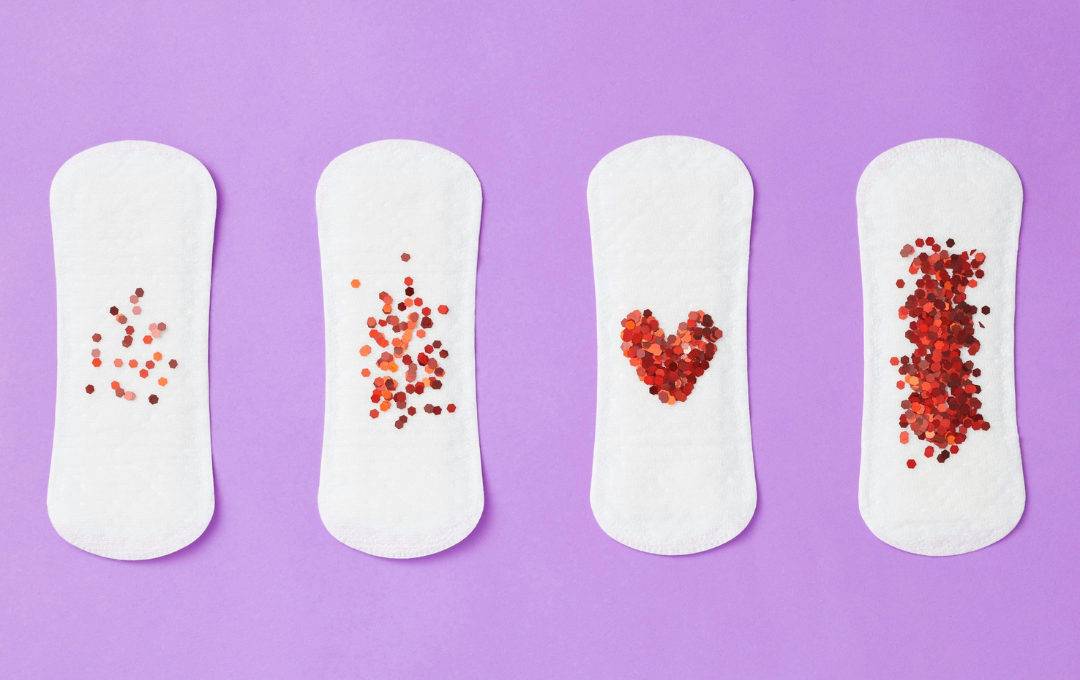
Comparing breakthrough bleeding vs early pregnancy signs involves looking for other body changes. Implantation bleeding is directly tied to early pregnancy. It occurs roughly a week before your missed period, is very light, never contains dark blood clots, and stops on its own within 48 hours. Breakthrough bleeding is usually tied to birth control adjustments or natural hormone shifts. While it can look similar to implantation spotting, it can happen at any point in your menstrual cycle.
1. When did it happen?
Spotting about 6 to 12 days after ovulation, just before your expected period, may point to implantation. Spotting at random times in your cycle points more toward breakthrough bleeding.
2. Did anything change with your hormones?
A new birth control method, missed pills, or high stress make breakthrough bleeding more likely.
3. How much and how long?
Implantation spotting is light and short. Bleeding that is heavy, lasts many days, or returns every month deserves a closer look.
4. What other signs do you have?
Nausea, sore breasts, and a missed period point toward pregnancy. Pelvic pressure, heavy periods, and clots point toward fibroids. This is the heart of breakthrough bleeding vs early pregnancy signs.
5. Take a pregnancy test.
This is the fastest way to separate pregnancy from the other two. Test after your missed period, or as your test’s directions say, for the most reliable result.
Implantation Bleeding vs Fibroid Spotting
These two can feel confusing because both may show up as light spotting. Here are the main differences:
- Implantation bleeding happens once, is very light, and ends within a couple of days.
- Fibroid spotting tends to repeat. It often comes with heavier periods, longer periods, or pelvic pressure.
If your spotting keeps returning, a single pregnancy is not the likely explanation.
When Bleeding Is Not Normal
Abnormal vaginal bleeding vs implantation bleeding is an important difference to know. Contact a healthcare provider if you have:
- Bleeding that soaks through a pad or tampon every hour for two hours or more
- Spotting between periods that keeps happening
- Periods that last longer than seven days
- Large clots
- Ongoing pelvic pain or pressure
- Bleeding after menopause
- Dizziness, a racing heart, or feeling very weak
If you think you may be pregnant and you have bleeding, call your provider. Get help right away if you have strong pain, heavy bleeding, or feel faint.
Fibroids and Pregnancy: What to Know
Many women with fibroids have healthy pregnancies. Still, fibroids can add questions. Pregnancy hormones can cause some fibroids to grow, and some women feel more pelvic discomfort.
If you have fibroids and think you might be pregnant, tell your provider early. They can guide you on next steps and monitoring.
Where Do Uterine Fibroids Fit In?
Uterine fibroids are growths in or on the wall of the uterus. They are not cancer, and they are very common. Many women have them and never know.
Some fibroids cause symptoms, and bleeding is one of the most common. Fibroids, non-cancerous tissue growths inside the uterine wall can cause irregular bleeding between periods.[1] or breakthrough bleeding, especially when they press into the uterine lining.
Implantation Bleeding vs Fibroid Spotting
When comparing implantation bleeding vs fibroid spotting, duration is the biggest factor. Implantation bleeding is brief, light, and linked to early pregnancy. Fibroid spotting tends to repeat month after month, happening before your period, after your period, or completely at random.
Common Uterine Fibroids Symptoms and Abnormal Bleeding
When abnormal bleeding is linked to uterine fibroids related abnormal bleeding patterns, it is often accompanied by other physical signs:[2]
- Heavy periods and intermenstrual bleeding: Bleeding heavily enough to soak through pads or tampons every hour.
- Pelvic pain and breakthrough bleeding: Persistent aching, cramping, or pressure in the lower abdomen.
- Lower back or leg pain: Caused by larger fibroids pressing against pelvic nerves.
- Frequent urination: Fibroids pressing against the bladder, creating constant pressure
- Periods that last more than seven days
- Blood clots larger than a quarter
- Spotting between periods that keeps coming back
- Needing to pee often
- Feeling tired, which can be a sign of low iron from heavy bleeding
Fibroid bleeding often follows a pattern. It tends to return cycle after cycle and may get worse over time. Understanding fibroid spotting vs normal period flow can help you recognize when it is time to consult a doctor.
Wondering if fibroids are causing your symptoms? Find a location closest to you.
When to See a Doctor
While light, occasional spotting is often harmless, you should contact a healthcare provider if you experience:
- Bleeding that completely saturates a pad or tampon every hour for two or more consecutive hours.
- Spotting accompanied by severe pelvic pain, dizziness, or weakness.
- Irregular bleeding between cycles that continues for more than one month.
A specialist can perform an image-guided diagnostic test, such as a pelvic ultrasound or MRI, to check for uterine fibroids and discuss effective non-surgical treatment options like Uterine Fibroid Embolization (UFE).[3]
Treatment option: UFE
Not Sure What Your Bleeding Means?
Spotting can point to pregnancy, hormone changes, or fibroids. If it keeps coming back or comes with pelvic pressure, a fibroid specialist can help you find out why.
Frequently Asked Questions
Take the Next Step Toward Relief
Don’t Let Abnormal Bleeding Control Your Life
If irregular bleeding, heavy cycles, or pelvic pressure are disrupting your everyday routine, expert medical evaluation is available.
Our team of specialized interventional radiologists can help diagnose the root cause of your symptoms and provide non-surgical relief options.
-
- Office on Women’s Health, U.S. Department of Health and Human Services, “Uterine Fibroids,” womenshealth.gov/a-z-topics/uterine-fibroids
- American College of Obstetricians and Gynecologists (ACOG), “Heavy Menstrual Bleeding,” acog.org/womens-health/faqs/heavy-menstrual-bleeding
- National Institutes of Health (NIH), “Uterine Fibroids Fact Sheet,” nichd.nih.gov/health/topics/uterine