


Medically reviewed by
 Dr. Jacob White, M.D., RPVI
Interventional Radiology, Fibroid Specialist, Medical Director. Reviewed: September 2026
Uterine fibroid embolization (UFE) is a non-surgical, outpatient fibroid treatment that can significantly reduce heavy bleeding, pelvic pain, and other fibroid-related symptoms without removing your uterus. For many women living with fibroid symptoms that disrupt daily life, UFE can offer meaningful relief through a catheter-based procedure that takes less than an hour and requires no hospital stay.
Quick facts
What Is Uterine Fibroid Embolization?
Uterine fibroid embolization (UFE), also called uterine artery embolization (UAE), is an image-guided procedure performed by an interventional radiologist. During UFE, the physician inserts a thin catheter into the femoral artery at the wrist or groin. Using real-time imaging, the catheter is guided to the uterine arteries that supply blood to the fibroids. Tiny embolic particles are then injected to block that blood supply.
Without a steady blood supply, fibroids begin to shrink and lose their ability to cause symptoms. The uterus itself remains intact. Because UFE is performed through a small puncture site and does not require general anesthesia, patients are typically discharged the same day.
UFE has been FDA-approved and extensively studied for more than two decades. Research published in peer-reviewed journals and supported by the Society of Interventional Radiology confirms its safety and effectiveness for most women with symptomatic fibroids.[1]
Key Benefits of UFE for Fibroid Treatment
Significant Reduction in Heavy Menstrual Bleeding
Heavy menstrual bleeding, medically referred to as menorrhagia, is one of the most disruptive fibroid symptoms. It can lead to anemia, fatigue, and missed days at work or social events. UFE addresses this by cutting off the blood supply that sustains fibroid growth.
Clinical data show that approximately 80 to 90 percent of women treated with UFE report meaningful improvement in bleeding within the first few months after the procedure.[2] Some women notice lighter periods beginning with their first cycle after treatment, though full improvement can take several months as fibroids gradually shrink.
Relief from Pelvic Pain and Pressure
Fibroids can cause chronic pelvic pain, painful menstrual cramps, lower back pain, and discomfort during intercourse. This pain often stems from pressure that growing fibroids place on surrounding tissues and organs. As UFE causes fibroids to shrink, that pressure is reduced.
Studies have consistently shown that a significant majority of women experience meaningful pain reduction following UFE. Improved comfort can translate directly into better daily functioning, such as fewer missed workdays, more energy, and greater physical ease.
Uterus Preservation
One of the most important benefits of UFE for many women is that the uterus remains intact throughout the procedure. UFE does not involve the removal of uterine tissue. Unlike a hysterectomy, UFE preserves the uterus, which is meaningful for women who wish to maintain their reproductive anatomy regardless of future family plans.
This aspect of UFE, uterus preservation through a non-surgical, catheter-based approach, distinguishes it as a fibroid treatment that addresses symptoms without a permanent anatomical change.
Outpatient Procedure with Faster Recovery
UFE is performed on an outpatient basis, meaning there is no hospital admission required. The procedure typically takes 30-60 minutes, though it may take longer for patients with a high number of fibroids. After a brief observation period, most patients are discharged the same day.
Recovery from UFE generally takes 1-2 weeks for most women, compared to 4-6 weeks or longer that is commonly associated with major pelvic operations. Most patients can return to light daily activities within a few days.
Treats Multiple Fibroids in a Single Procedure
UFE works by blocking blood flow at the level of the uterine artery, which means the embolic particles can reach fibroids throughout the uterus during a single treatment session. This is clinically meaningful for women who have been diagnosed with multiple fibroids at different locations, a common scenario. Whether fibroids are intramural, submucosal, or subserosal, UFE can reach them through the same catheter-based approach.
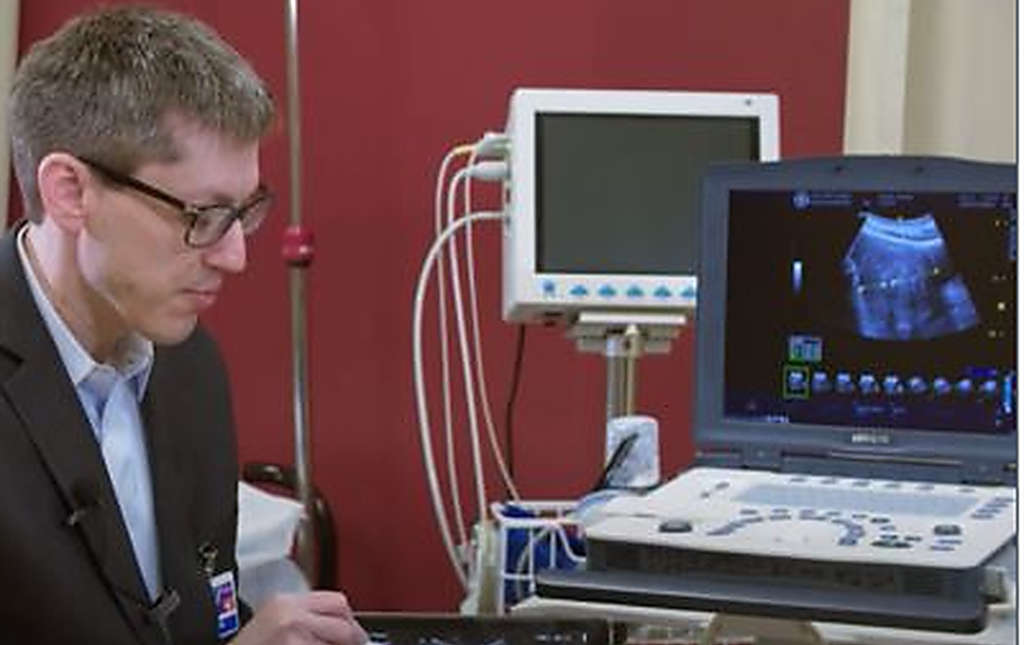
During the procedure, an interventional radiologist inserts a thin catheter through a tiny opening in the wrist or groin and guides it to the uterine arteries using imaging technology.
No General Anesthesia Required
UFE is performed using local anesthesia to numb the puncture site, along with mild sedation to help patients remain comfortable during the procedure.
General anesthesia, which comes with associated risks and recovery considerations, is not required. This reduces the complexity of the procedure and allows for a more comfortable, low-risk experience for most patients.
Minimal Scarring
Because the entire procedure is performed through a small puncture site the size of a pencil tip, UFE leaves no surgical incision and virtually no visible scarring. The puncture site requires no stitches and heals quickly.
Coverage by Most Insurance Plans
UFE is covered by most major health insurance plans, including Medicare and Medicaid in many cases. Coverage is based on medical necessity for symptomatic fibroids. A fibroid specialist consultation can help clarify your specific coverage and any prior authorization requirements.
UFE Recovery: What to Expect After Treatment
In the first few days after UFE, some women experience post-embolization syndrome, a temporary flu-like response that can include mild fever, fatigue, nausea, and cramping. These symptoms are a normal part of the recovery process and typically resolve within a few days with rest and prescribed medications.
Recovery following UFE is generally shorter than recovery from traditional fibroid surgery, and most women can return to normal activities within about a week.
While recovery occurs relatively quickly, fibroids do not disappear immediately. Instead, they gradually shrink over the following weeks and months as the body naturally reabsorbs the treated tissue. Some women notice improvement in urinary symptoms and abdominal pressure within the first few weeks after treatment. Heavy menstrual bleeding often begins improving within the first one or two menstrual cycles, while pelvic pain and cramping may continue to improve over the first month and beyond.
Your fibroid specialist will schedule follow-up imaging, typically an MRI 3 to 6 months after treatment, to confirm fibroid shrinkage and evaluate your response to the procedure.[3]
Is UFE Right for You?
UFE is appropriate for many women with symptomatic uterine fibroids, but not every patient is a candidate. Evaluation by an interventional radiologist is the essential first step.
A fibroid specialist will review your imaging, symptoms, and medical history to determine whether UFE may be right for your case. Imaging, typically an MRI or ultrasound, helps map fibroid size, number, and location, and identifies the uterine arteries that will be targeted during treatment.
If you have been told that your fibroid symptoms are limiting your quality of life, or that your only option is a hysterectomy, consulting a fibroid specialist for a second opinion can open the door to non-surgical alternatives. You can also learn what happens during UFE to better understand the procedure before your consultation.
Women who are not candidates for UFE include those with an active pelvic infection, certain bleeding disorders, or those whose imaging findings suggest a different underlying cause for symptoms. Your fibroid specialist will review these factors with you during your consultation.
Treatment option: UFE
You Deserve to Feel Like Yourself Again
Living with fibroid symptoms means managing heavy periods, fatigue, pain, and disruption to the things that matter most in your life. UFE offers a non-surgical path forward, one that targets your fibroids directly while protecting your uterus and allowing you to return to daily life quickly.
At USA Fibroid Centers, our interventional radiologists are experienced in performing UFE for women across the country. Your evaluation begins with a consultation to review your imaging, discuss your symptoms, and help you understand whether UFE may be right for your situation.
Frequently Asked Questions About UFE Benefits
- Society of Interventional Radiology. “Uterine Fibroids and Uterine Fibroid Embolization (UFE) Treatment.” sirweb.org/for-patients/conditions-and-treatments/uterine-fibroids/
- Young, Michael, and Beverly A. Mikes. “Uterine Fibroid Embolization.” StatPearls. Treasure Island, FL: StatPearls Publishing, 2026. ncbi.nlm.nih.gov/books/NBK519016/ (Last updated April 27, 2025)
- Mashal, Rayhab, et al. “Is Uterine Artery Embolisation a Safe and Effective Modality to Treat Submucosal Fibroids?” CVIR Endovascular 8, no. 1 (2025): 49. pubmed.ncbi.nlm.nih.gov/40434711/
- Seyferth, Elisabeth R., et al. “Long-Term Outcomes of Uterine Artery Embolization for Treatment of Fibroids in Women Under 40.” Cardiovascular and Interventional Radiology 49, no. 7 (2026): 1391-1399. pmc.ncbi.nlm.nih.gov/articles/PMC13337861/
- Institute for Quality and Efficiency in Health Care (IQWiG). “Uterine Fibroids: What Are the Pros and Cons of Uterine Artery Embolization?” InformedHealth.org. ncbi.nlm.nih.gov/books/NBK279533/ (Last updated June 24, 2025)
Medical disclaimer: This article is for educational purposes and not a substitute for professional medical advice. USA Fibroid Centers does not diagnose medical conditions or provide treatment recommendations. Please consult a physician for medical evaluation and treatment planning. Information in this article reflects current medical understanding but is not guaranteed to be complete or accurate.