
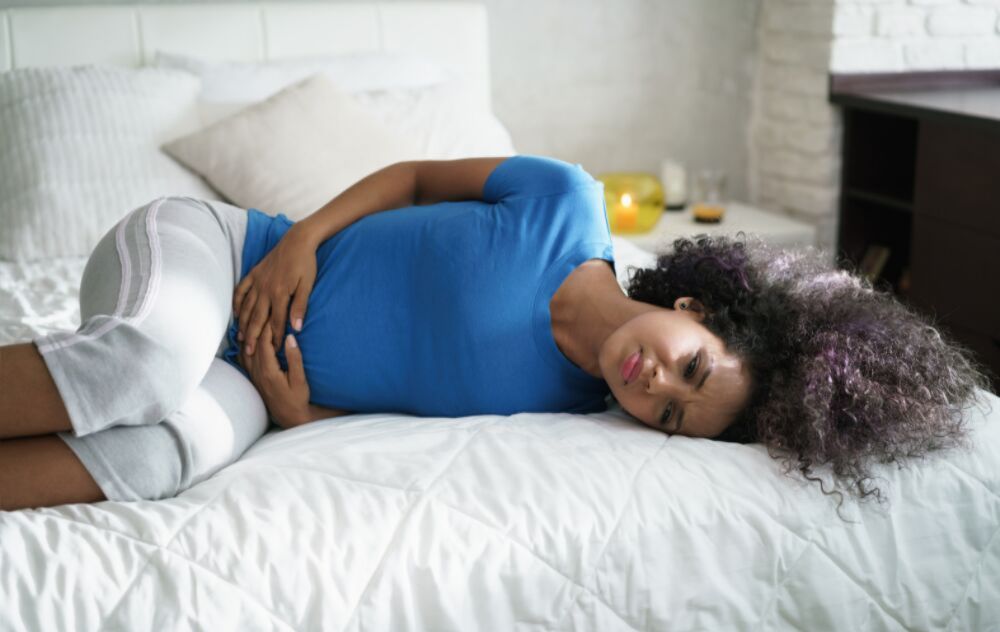
At least 30% of women develop fibroids during their 20s or 30s, and that number rises to over 80% of women who will experience them before the age of 50.
Because fibroids are so common, a question many women ask is: Can fibroids be prevented? The answer is not entirely straightforward. While there is no guaranteed way to completely prevent fibroids, research shows that certain lifestyle choices and health habits may help reduce the risk of developing them or slow their growth.
Understanding Fibroids
Fibroids, also called uterine leiomyomas, are noncancerous growths that develop in or around the uterus. They vary widely in size—from tiny seedlings that are barely visible to large masses that can enlarge the uterus.
Although the exact cause is still unknown, fibroids are strongly linked to:
-
Hormones, particularly estrogen and progesterone
-
Genetic factors
-
Family history
-
Lifestyle and metabolic factors
Because hormones play a major role, fibroids often grow during reproductive years and may shrink after menopause.
Learn More About Fibroid Symptoms
Every woman is different and may experience different symptoms. While doctors cannot define a specific cause for fibroid growth, research indicates that the following factors may lead to their development:
-
- Developmental hormones like estrogen and progesterone, which increase in production during pregnancy and childbearing years
- Genetic changes from normal uterine muscle cells
- Other body substances like insulin-like growth factors, which contribute to body tissue maintenance
Can Fibroids Be Prevented?
Currently, there is no guaranteed method to completely prevent fibroids. However, certain habits and lifestyle changes may lower your risk or help manage hormonal balance, which may reduce the likelihood of fibroid development.
Prevention often focuses on supporting overall hormonal and reproductive health.
Lifestyle Habits That May Reduce Risk
Risk Factors of Uterine Fibroids
Besides being a woman in her childbearing prime, certain internal and external factors can increase your chances of developing uterine fibroids, including:
- Race: Research shows that black women are more likely to develop fibroids than women of other races. Hispanic women also face a higher likelihood of myomas, followed closely by the risk factor of Caucasian women.
- Genetics: You’re at an increased risk for fibroids if your mother, sister, or someone else in your family has had them.
- Environmental factors: Factors like vitamin D deficiency, obesity, use of birth controls, too much red meat, drinking alcohol, or experiencing your period at a young age may all increase your likelihood of myoma development.
Are Fibroids Preventable?
If you are wondering “are fibroids preventable” you are likely concerned that you may be at risk. Unfortunately, fibroids cannot be prevented. There is no method that will prevent or cure fibroids on its own. However, some research shows that healthy lifestyle habits may help you temporarily manage your symptoms. Aim to incorporate:
- Healthy diet: Maintaining a diet rich with green vegetables, cruciferous vegetables, fruits, and healthy dairy may decrease the symptoms of fibroids, while diets high in sugar may have the opposite effect in some women. If your period is especially heavy or lasts a long time, make sure to eat foods that contain iron to avoid developing an iron deficiency.
- Regular exercise: Incorporating exercise into your routine can help manage myoma symptoms. These include yoga, stretching, aerobics, swimming, and jogging. These activities help induce endorphins that manage pain and reduce cramping.
- Hydrating: Drinking water helps reduce bloating and consuming hot tea can increase blood flow may relax cramped abdominal muscles. This can also help constipation and symptoms of anemia.
- Avoid caffeine: May help reduce pelvic pain and abdominal pressure if you cut caffeine out of your diet.
- Eat fiber: Consuming foods rich in fiber can help decrease constipation related to uterine fibroids.
- Vitamin D supplements: Some studies have shown that taking these may help reduce your risk of developing fibroids. It is important to talk to your doctor before regularly taking any supplements.
Remember, these natural methods may offer only temporary relief — medical treatment is still necessary to eliminate uterine fibroids and get lasting, effective results. Managing fibroid symptoms through lifestyle changes and healthy habits may help in the short-term; however, fibroids can become a progressive disorder getting more severe as time goes on.
The Role of Genetics with Fibroids
Unfortunately, genetics also play a significant role in fibroid development. Women with a family history of fibroids are more likely to develop them. Additionally, fibroids occur more frequently and often more severely in Black women.
While genetics cannot be controlled, adopting healthy habits and monitoring symptoms can help with early detection and management.
When to See a Doctor
Many fibroids cause no symptoms and may not require treatment. However, you should consult a healthcare provider if you experience:
-
Heavy or prolonged menstrual bleeding
-
Pelvic pain or pressure
-
Frequent urination
-
Difficulty getting pregnant
-
Pain during intercourse
Early diagnosis can help determine the best management approach and prevent complications.
How Can I Get Rid of My Fibroids?
While there are technically no scientifically proven methods for preventing fibroids from forming, there is a non-surgical option that makes treatment more convenient. Uterine Fibroid Embolization (UFE) is a minimally invasive outpatient procedure employed to shrink fibroids. Using a tiny catheter to block the blood vessels nourishing the fibroids, UFE is FDA-approved and has a high success rate for symptom elimination.
Over 90% of women report seeing a significant improvement in their fibroid symptoms in the first few weeks following their UFE treatment.
Up to 62% of women are unaware that UFE is an option — this disparity is shocking that women are not being told about this option that holds numerous benefits for women who want to avoid a hysterectomy.
At USA Fibroid Centers, we use the gold standard in UFE, offering you an effective procedure in less than 30 minutes. UFE allows you to retain your uterus and fertility, offers a shorter recovery than invasive surgeries, does not interfere with hormones, and does not require hospitalization or stitches. You don’t have to go through this journey alone — we’re here to give you hope. Find the USA Fibroid Centers location closest to you by giving us a call at 855-615-2555 and click below to schedule your appointment online today.
Schedule Your Appointment Online
Taking Control Of Your Fibroid Health
Although fibroids cannot always be prevented, adopting a healthy lifestyle may help reduce risk and support hormonal balance. A balanced diet, regular exercise, maintaining a healthy weight, and managing stress are all steps that contribute to better reproductive health.
If you suspect you may have fibroids or are experiencing symptoms, speaking with a healthcare professional is the best way to understand your options and create a personalized care plan.
Taking proactive steps toward your health today can help you maintain wellness and confidence in the years ahead.