

Medically reviewed by
USA Fibroid Centers Medical Review Team
Experienced interventional radiologists specializing in fibroid treatment
Reviewed: July 2026
Fibroids can cause a burning sensation – and what that feels like varies depending on where the fibroid is located and how it is affecting nearby tissue. Uterine fibroids are noncancerous growths that develop in or on the walls of the uterus. As they grow, they can press on nerves, organs, and surrounding structures in ways that produce pain ranging from dull pressure to sharp or burning discomfort.
Burning from fibroids is not always easy to recognize. It may feel like stinging, radiating heat, a nerve-like sensation, or an internal burning that is hard to pinpoint. These sensations often get attributed to a urinary tract infection, digestive issues, or muscle pain, which means many women go months or years without connecting their symptoms to fibroids.
Understanding the different ways fibroids can cause burning helps you recognize what your body is signaling and take the right next step.
What Do Burning Sensations From Fibroids Feel Like?
When people think of burning pain, they often imagine a sharp, searing sensation. With fibroids, the experience is often more nuanced. Some women describe it as a stinging feeling during urination or bowel movements. Others notice what feels like radiating heat or a nerve-like tingling that travels from the pelvis into the hips or lower back. Still others experience a deep, internal burning that is difficult to locate precisely.
The way burning shows up depends largely on which part of the body the fibroid is affecting. A fibroid pressing on a nerve produces a different kind of burning than one pressing on the bladder or sitting near the cervix. This is why two women with fibroids can describe their discomfort in completely different terms, and both can be describing fibroid-related symptoms.
Because this symptom is so variable, it is often mistaken for other conditions. Knowing that fibroids can produce burning in several distinct patterns makes it easier to connect your experience to a potential source and seek an appropriate evaluation.
How Burning Differs From Pressure and Cramping
Most women who have fibroids describe their symptoms primarily as pressure, heaviness, or cramping. These are the most common fibroid-related pain patterns. Burning, stinging, or radiating sensations are less frequently discussed but are a recognized part of the fibroid symptom spectrum.
Understanding the difference helps you communicate your symptoms accurately to a specialist:
- Pressure and heaviness are usually caused by the physical bulk of the fibroid pressing on surrounding pelvic structures. As fibroids grow, they occupy more space in the uterus and abdomen, creating a persistent sense of fullness or weight that worsens with standing or activity.
- Cramping is typically related to how fibroids affect uterine contractions or disrupt the uterine lining during menstruation. It usually follows the pattern of the menstrual cycle and may be significantly more intense than typical period pain.
- Burning, stinging, or radiating sensations are more commonly associated with nerve involvement, tissue inflammation, fibroid degeneration, or friction and pressure on specific organs. This is the type of pain that may feel like heat, electrical sensation, or a sharp sting rather than a dull ache.
These categories can overlap. Some women experience all three types of discomfort from the same fibroids. If burning is your primary complaint, the sections below explain the most likely causes based on fibroid location.
How Fibroid Location Impacts Burning Sensation
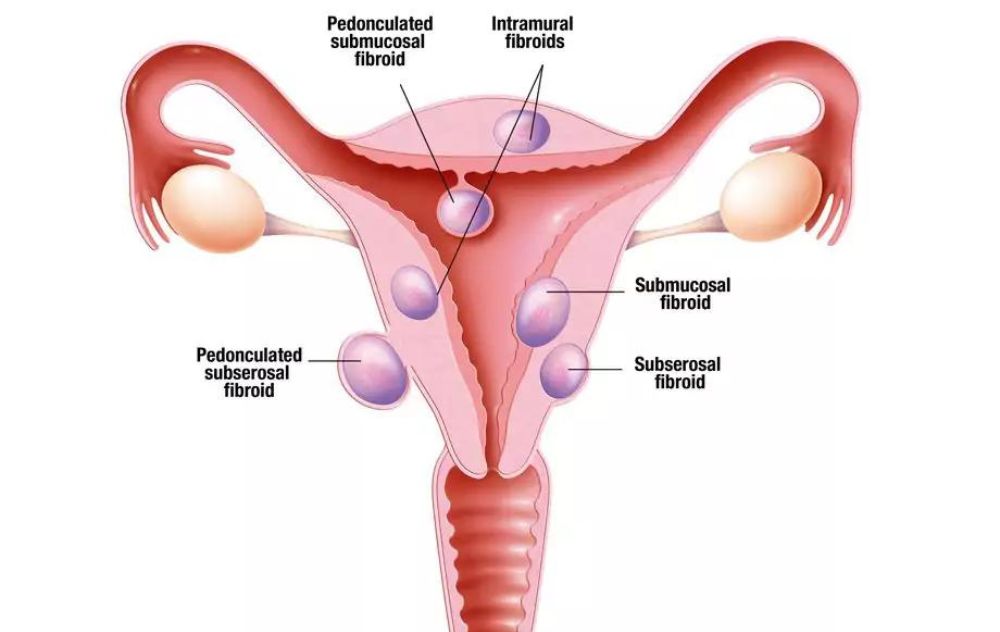
Where a fibroid grows directly influences the type of burning you experience and where you feel it. Fibroid specialists use location as one of the key factors in understanding which symptoms are most likely and which treatment approach makes sense.
Front (Anterior) Fibroids
Fibroids that develop toward the front of the uterus can press on the bladder and urethra. This pressure may cause a burning or stinging sensation during urination that feels similar to a urinary tract infection, but without the bacterial infection that causes a true UTI. Anterior fibroids are also associated with urinary urgency, frequent urination, and difficulty fully emptying the bladder.
Back (Posterior) Fibroids
Fibroids on the back wall of the uterus can press on the rectum and lower colon, creating constipation, rectal pressure, and a burning or stinging sensation during bowel movements. This painful feeling of incomplete emptying is called tenesmus. Posterior fibroids can also sit close to the sciatic nerve pathways, producing burning or shooting pain that travels into the lower back, hips, or buttocks.
Fibroids Near the Cervix
Cervical fibroids or fibroids positioned in the lower part of the uterus are most associated with burning during and after sexual intercourse. During penetration, these fibroids can be physically contacted or compressed, causing an immediate sharp or burning sensation. This discomfort can linger for hours after intimacy ends. Some women also notice a burning feeling during pelvic exams when cervical fibroids are present.
Nerve Compression and Burning Pelvic Pain
How Fibroids Press on Pelvic Nerves
The pelvis contains a dense network of nerves that serve the uterus, bladder, bowel, and lower extremities. When a fibroid grows large or develops in a position near one of these nerve pathways, it can compress or irritate the nerve tissue. Unlike pressure pain caused by organ compression, nerve-related fibroid pain tends to be more intense, radiating, or burning in character.
The nerves most commonly affected are those that serves the hips, thighs, and lower back. Large posterior or subserosal fibroids are the most frequent contributors to this type of pain.
What Nerve-Related Burning Feels Like
Nerve-related fibroid pain often does not stay in the pelvis. Women describe it as a burning or aching sensation that radiates down into the hips, thighs, buttocks, or legs. It may feel similar to sciatica and is sometimes misdiagnosed as a back problem or musculoskeletal issue.
This type of pain may worsen with prolonged sitting, certain physical positions, or during menstruation when fibroid-related inflammation is at its peak. If burning radiates in patterns consistent with nerve involvement, particularly when accompanied by pelvic pressure or heavy periods, fibroid-related nerve compression may be contributing to your fibroid pain.
Burning Sensation During or After Sex

Dyspareunia and Fibroids
Painful intercourse – medically known as dyspareunia – is a recognized symptom of uterine fibroids. The pain may feel sharp and immediate during penetration, or it may build gradually and persist as a burning or aching discomfort in the hours after intimacy ends. For some women, this symptom significantly impacts their relationships and quality of life.
Fibroid-related intercourse pain is typically categorized as deep dyspareunia – pain felt in the upper vagina or deep in the pelvis during penetration, rather than surface burning near the vaginal opening. The burning or pressure sensation results from the fibroid being physically contacted or compressed during intercourse.
Which Fibroids Are Most Likely to Cause Painful Intercourse
Fibroids positioned near the cervix or in the lower uterine segment are the primary drivers of intercourse-related burning. Their location means they are in the path of direct contact during sex. Submucosal fibroids, those that grow beneath the uterine lining, and intramural fibroids embedded in the uterine wall can also increase overall pelvic sensitivity, making the uterus more reactive to pressure and movement.
Larger fibroids can further distort the shape of the uterus, making certain positions more painful than others. If burning or pain during sex is a recurring experience, it is worth noting whether symptoms worsen in certain positions, at certain times in your cycle, or with other fibroid symptoms.
Fibroid Degeneration and Acute Burning Pain
What Is Fibroid Degeneration?
Fibroid degeneration occurs when a fibroid outgrows its blood supply. Without adequate oxygen and nutrients, the cells that make up the fibroid begin to die off. The body responds to this cell death by releasing inflammatory chemicals into the surrounding tissue and this process that can cause sudden, intense pain distinct from the chronic pressure or cramping most women associate with fibroids.
Degeneration may happen during a period of rapid fibroid growth, after a hormonal shift, or spontaneously. It can also occur in response to pregnancy-related changes or other physiological factors that alter blood flow to the fibroid.
Why Degeneration Causes a Burning or Intense Sensation
The inflammatory mediators released during degeneration are similar to those involved in acute tissue injury. These compounds sensitize local nerve endings and can produce pain that feels burning, fiery, or searing which is often localized to one specific area of the pelvis or abdomen. Unlike the diffuse pressure or cramping of typical fibroid pain, degeneration pain tends to be sudden in onset and concentrated in one spot.
Degeneration may also be accompanied by a low-grade fever and localized abdominal tenderness. If you experience a sudden onset of burning pain that feels different from your usual fibroid discomfort, particularly if it is more severe or comes with fever, seek evaluation promptly. Sudden acute pelvic pain always warrants medical assessment.
Bladder and Bowel Pressure From Fibroids
Burning During Urination
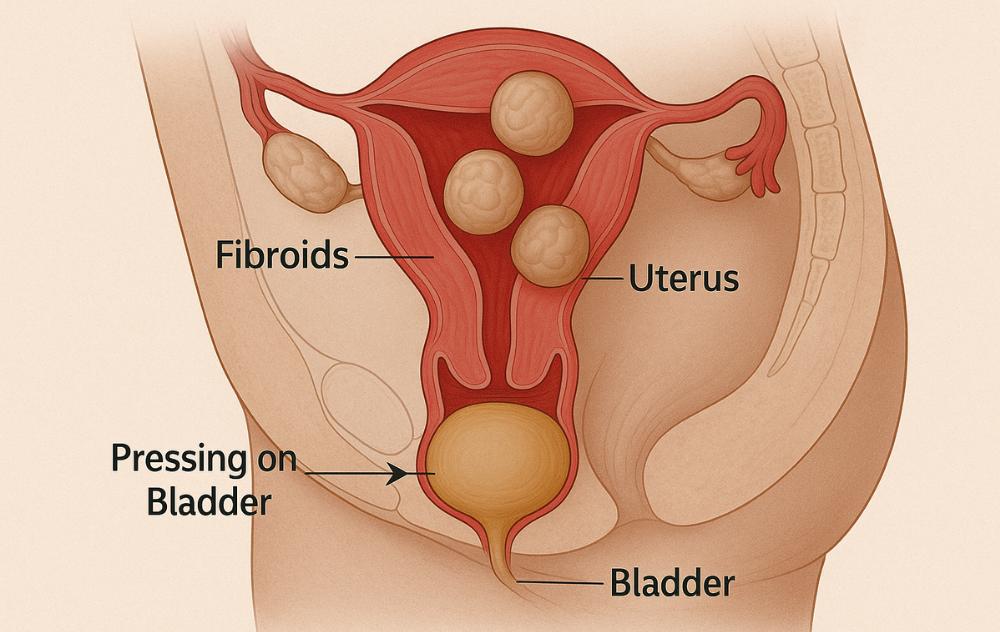
As introduced in the location section above, anterior fibroids can press on the bladder and urethra, creating a burning or stinging sensation during urination. This discomfort is often mistaken for a urinary tract infection, but an important distinction separates the two: fibroid-related urinary symptoms occur without bacterial infection.
If a urine test comes back clear but burning during urination persists, fibroids pressing on the bladder may be the source. Learn more about how fibroids cause bladder and bowel issues and how to interpret these symptoms accurately.
Burning During Bowel Movements (Tenesmus)
Posterior fibroids that press on the rectum can cause tenesmus – a painful stinging or burning sensation during or after a bowel movement, often accompanied by a feeling of incomplete emptying. This symptom is frequently attributed to digestive conditions such as irritable bowel syndrome, which can delay identification of the actual fibroid-related cause.
Bowel-related burning from fibroids may worsen during menstruation when pelvic inflammation increases. If this type of discomfort follows a cyclical pattern that correlates with your period and is accompanied by other fibroid symptoms, a fibroid evaluation may clarify the source.
When to See a Fibroid Specialist
A burning sensation in the pelvis, during urination, during bowel movements, or during sex is not something to accept as a normal part of daily life. These sensations are your body signaling that surrounding tissue, nerves, or organs are being affected.
Consider seeking a fibroid evaluation if you notice any of the following: burning that is persistent, worsening, or follows your menstrual cycle; burning during sex that is causing you to limit or avoid intimacy; urinary burning that returns after a negative urine culture; bowel-related burning that follows a cyclical pattern; or sudden, severe burning pain that feels distinct from your usual symptoms.
A fibroid specialist uses an ultrasound or MRI to confirm whether fibroids are present and assess their size, number, and precise location. This information identifies which symptoms the fibroids are most likely driving and guides a conversation about treatment options that fit your goals.
Wondering if fibroid care is available near you? Find the location closest to you.
Treatment option: UFE
UFE as a Treatment Option for Fibroid-Related Burning
Living with burning discomfort from fibroids does not have to be a long-term reality. Uterine fibroid embolization (UFE) is a minimally invasive, non-surgical procedure that works by restricting the blood supply that feeds fibroids. Without blood flow, fibroids shrink over time. As they shrink, the physical pressure they place on nerves, the bladder, the bowel, and the cervix decreases.
For many women, treating the fibroid itself is what brings lasting relief from the symptoms it causes – including burning sensations tied to nerve compression, bladder irritation, rectal pressure, or painful intercourse. UFE is performed as an outpatient procedure, preserves the uterus, and involves a shorter recovery period than open procedures. Individual results vary based on fibroid size, number, location, and other factors specific to your case. A fibroid specialist can help you understand whether UFE may be right for your situation.
Frequently Asked Questions About Fibroids and Burning Sensation
- Office on Women’s Health, U.S. Department of Health and Human Services. “Uterine Fibroids.” womenshealth.gov/a-z-topics/uterine-fibroids
- American College of Obstetricians and Gynecologists. “Uterine Fibroids.” acog.org/womens-health/faqs/uterine-fibroids
- Islam, M.S., et al. “Uterine Leiomyoma: Available Medical Treatments and New Possible Therapeutic Options.” Journal of Clinical Endocrinology and Metabolism. ncbi.nlm.nih.gov/pmc/articles/PMC4171883/
- Society of Interventional Radiology. “Uterine Fibroid Embolization.” sirweb.org/patients/uterine-fibroids/
Medical Disclaimer: This article provides educational information about uterine fibroids and their symptoms. It is not a diagnosis or medical advice. Only a qualified fibroid specialist can determine whether you have fibroids or recommend appropriate treatment. If you have heavy periods, pelvic pain, or other symptoms, consult a healthcare provider or contact USA Fibroid Centers for an evaluation.