

Medically reviewed by
Experienced Interventional Radiology Specialist | Reviewed: July 2026
Fibroid pain does not always feel the way people expect. While many assume benign uterine tumors cause sudden, sharp stabbing sensations, uterine fibroid pain symptoms are far more frequently described as severe, lingering cramps, an ongoing sense of heavy pelvic pressure, continuous abdominal fullness, or a persistent deep pelvic ache.
Because fibroid discomfort so closely mimics intense period cramps, digestive tract issues, or lower back strain, many women manage these disruptive symptoms for years without realizing noncancerous fibroid tumors are the root cause. When these benign muscular growths develop within or on the uterine wall, they distort the surrounding anatomy, drive intense uterine muscle spasms, and apply physical force onto surrounding pelvic organs.
Understanding what fibroid pain feels like, how fibroid cramps differ from ordinary menstrual cramping, where discomfort manifests in your body, and what triggers acute flare-ups is essential for recognizing the signs early and taking back control of your health and daily quality of life.
What Does Uterine Fibroid Pain Feel Like? Common Sensation Types
The specific sensation of fibroid pain varies depending on the size, quantity, and precise structural position of the tumors within your uterus. While some women experience a continuous, subtle ache, many deal with severe, debilitating cramps that disrupt their normal daily routine.
The most frequent complaint is intense, thudding menstrual cramps (dysmenorrhea). Unlike standard period cramps that peak on the first day and quickly subside, fibroid cramps are significantly stronger, throbbing, and tend to linger throughout your entire period—often persisting deep into the off-weeks between cycles. These severe cramps occur because the uterine muscle is forced to contract abnormally hard as it tries to clamp down around the physical tumors embedded in its wall.
As fibroids expand, they also create a constant sense of deep pelvic pressure and fullness. This mass effect feels like an uncomfortable heaviness or pulling sensation deep in the lower abdomen. You may notice abdominal tightness, bloating, or a firm lower belly that persists regardless of your diet or weight.
Beyond chronic cramps and pressure, fibroids can cause sudden, piercing twinges when shifting body positions, bending over, or exercising. Extremely sharp, sudden pelvic pain can signal fibroid degeneration, which occurs when a rapidly growing tumor outgrows its blood supply. Additionally, large fibroids resting against nerve centers can trigger shooting pain, electric tingling, or a burning sensation from fibroids that radiates directly into your back, hips, and lower legs.
Where Do You Feel Fibroid Pain? Locations Explained
Where you experience fibroid pain depends on which part of the uterus the fibroids occupy and which nearby pelvic structures, organs, or nerve pathways they push against.
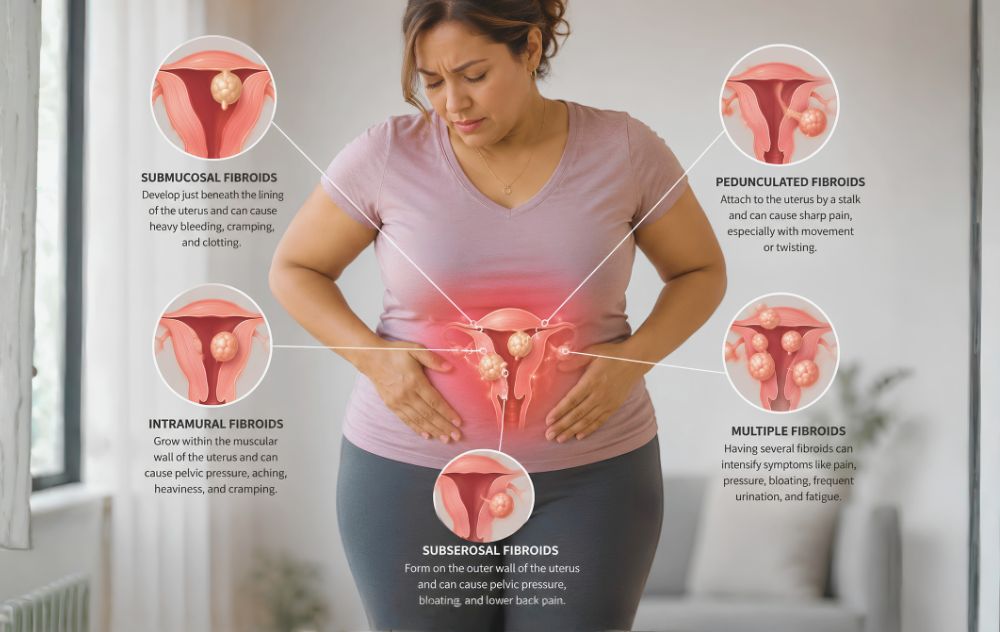
Central lower abdominal discomfort is the primary location reported by most patients, directly reflecting the increased mass, swelling, and severe muscular cramps generated within an enlarged uterus. However, the discomfort rarely stays localized to the center of the abdomen alone.
Fibroids located on the back outer wall of the uterus (subserosal fibroids) frequently press against lumbar nerves and back muscles, causing chronic fibroid lower back pain and dull hip aches. When fibroids grow especially large, they can compress sciatic nerve branches or major pelvic blood vessels, causing a heavy, aching sensation or shooting pain that radiates down into the thighs and legs.
Depending on their positioning, fibroids can also cause pain during daily bodily functions. Fibroids located near the lower uterine segment or cervix can be struck during sexual activity, leading to sharp pain during intercourse (dyspareunia). Posterior fibroids compressing the rectum cause painful bowel movements (dyschezia) and chronic constipation, while anterior fibroids pressing against the bladder lead to constant urinary pressure, painful cramps when emptying the bladder, and frequent trips to the bathroom.
Why Do Fibroids Cause Pain and Severe Cramps?
To understand why fibroids hurt and why they generate such intense period cramps, it helps to review the physical and physiological mechanisms occurring inside the body during fibroid growth.
Uterine Muscle Spasms and Abnormal Contractions
During a healthy menstrual cycle, the uterus contracts gently to shed its inner lining. However, when intramural fibroids develop inside the muscular uterine wall, or submucosal fibroids protrude into the uterine cavity, they act as physical obstacles. The uterine muscle is forced to contract much more violently to try and maneuver around these dense tumors. These violent, uncoordinated muscle spasms are precisely what cause severe fibroid cramps that feel far more intense than normal period pain.
Uterine Expansion and Organ Compression
As fibroids multiply or grow larger, they expand the overall bulk of the uterus, stretching surrounding muscular tissues and ligaments beyond their natural limits. An enlarged, fibroid-filled uterus can swell to the size of a mid-stage pregnancy, creating continuous internal pressure and forcing nearby pelvic organs like the bladder and bowel out of their natural position.
Nerve Impingement and Tissue Oxygen Deprivation
Beyond muscular cramps, large fibroids can rest directly on nerve roots along the pelvic wall, sending pain signals directly down the legs or across the lower spine. Furthermore, if a fibroid grows so fast that its center is deprived of blood flow and oxygen (ischemia), acute cell death releases localized inflammatory chemicals that trigger intense, sudden pelvic pain flare-ups.
Fibroid Pain vs. Other Causes of Pelvic Pain
Because pelvic discomfort and severe cramps can stem from various health issues, comparing symptom patterns can help you differentiate fibroid pain from other common conditions:
| Condition | Primary Pain Characteristics | Key Differentiating Factors |
|---|---|---|
| Uterine Fibroids | Severe, long-lasting period cramps, deep pelvic pressure, lower back/leg aches, bladder compression. | Correlates directly with physical uterine mass enlargement; clearly visible on ultrasound or MRI. |
| Adenomyosis | Severe, thudding cramps and heavy bleeding with a tender, uniformly enlarged uterus. | Endometrial tissue grows inside the muscular wall layer rather than forming distinct tumor masses. |
| Endometriosis | Sharp, burning pelvic pain during periods, intercourse, or bowel movements. | Pain is widespread across pelvic implants, independent of total uterine bulk or tumor presence. |
| Ovarian Cysts | Sudden, sharp, localized one-sided lower abdominal or groin pain. | Acute onset, frequently accompanied by localized side tenderness or nausea if a cyst ruptures. |
| IBS / UTIs | Cramping tied to digestion or stinging burning strictly during urination. | Symptoms are linked to gastrointestinal or urinary function and are independent of menstrual phases. |
How Long Does Fibroid Pain Last?
The duration of fibroid pain depends heavily on whether the discomfort is chronic or acute. Many women live with a daily, underlying pelvic ache and heaviness that lasts for months or years, slowly intensifying as the fibroids expand in size.
During menstruation, fibroid cramps typically peak 24 to 48 hours before bleeding begins and can remain severe throughout your entire period. Elevated hormone levels and increased blood flow cause the fibroids to swell slightly, which intensifies uterine contractions and prolongs severe cramp symptoms well past the normal timeframe of a standard cycle.
In cases of acute fibroid degeneration, the sharp, localized pain can start suddenly and remain intense for several days up to 2 or 3 weeks until the tissue breakdown stabilizes and the surrounding inflammation decreases.
Find Compassionate Fibroid Care Near You
Diagnosing and Treating Uterine Fibroid Pain
Over-the-counter pain medications (such as ibuprofen or naproxen) and heating pads can temporarily dull mild cramps, but they do not eliminate the physical mass causing your discomfort. Achieving permanent relief from severe cramps and pelvic pressure requires an accurate diagnosis and treatment targeted directly at shrinking or eliminating fibroid tumors.
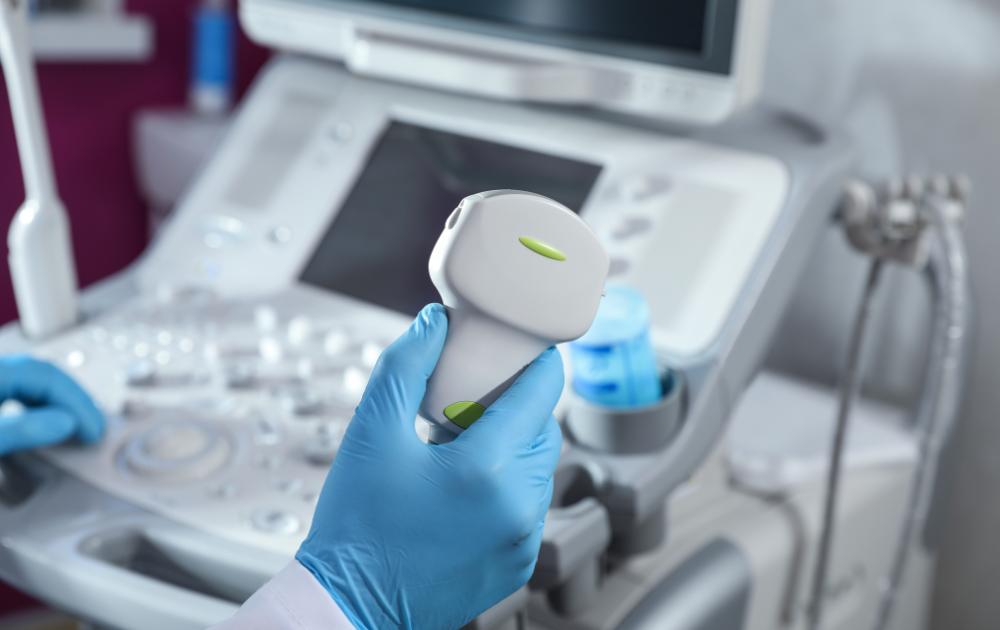
To confirm fibroids as the source of your symptoms, a fibroid specialist will review your pain history and perform a pelvic exam to check for uterine swelling. Advanced diagnostic imaging, such as a pelvic ultrasound or MRI, is then used to pinpoint the exact size, quantity, and structural location of your fibroids. Blood work and urine tests may also be conducted to check for anemia caused by heavy bleeding and rule out infections.
Non-Surgical Relief with Uterine Fibroid Embolization (UFE)
At USA Fibroid Centers, our medical team specializes in uterine fibroid embolization (UFE), an FDA-approved, non-surgical treatment that halts fibroid growth and eliminates painful cramps without major surgery like a hysterectomy or myomectomy.
During UFE, an experienced interventional radiologist uses real-time image guidance to introduce tiny particles into the uterine arteries feeding the fibroids. By cutting off blood flow and oxygen to the tumors, the fibroids shrink significantly over time. As the tumors shrink, abnormal uterine contractions subside, relieving debilitating cramps, heavy bleeding, and pelvic pressure.
UFE preserves your natural uterus, requires no surgical incisions, and is performed in an outpatient clinic setting in under an hour. Most women recover fully and return to their regular work and personal activities within 7 to 10 days, experiencing long-term relief from severe fibroid cramps and pelvic pain.
Note: USA Fibroid Centers accepts most major insurance plans and offers flexible coverage options for non-surgical UFE treatments across our nationwide network of outpatient clinics.
Take The First Step Toward Relief
Stop Living with Severe Fibroid Cramps & Pain
You don’t have to manage severe cramps, radiating back pain, or heavy pelvic pressure on your own. Partner with our team of board-certified interventional radiologists to receive personalized, non-surgical fibroid care.
Schedule your consultation online or visit one of our nationwide outpatient centers today.
Fibroid Pain FAQs
- National Institute of Child Health and Human Development, “What are the symptoms of uterine fibroids?,” nichd.nih.gov
- Office on Women’s Health, “Uterine Fibroids,” womenshealth.gov
- National Library of Medicine, “Uterine fibroids,” medlineplus.gov
Medical Disclaimer: The information provided in this article is for educational purposes only and does not constitute medical advice. Consult a qualified healthcare professional or a specialist at USA Fibroid Centers for diagnosis and personalized treatment options.