

Uterine fibroids are benign tumors that develop in or around the uterine muscle, affecting millions of women in the United States. While these tumors are non-cancerous, many women find their daily lives disrupted by the debilitating symptoms of fibroids. Women often treat early signs of fibroids as isolated issues, taking iron for fatigue, heating pads for cramps, or simply planning their lives around restroom breaks.
However, when these early signs are considered together, they often point to a single treatable cause: uterine fibroids.
Learn the 12 most common early signs of fibroid tumors, and how to tell them apart from other conditions. While symptoms vary, knowing these warning signs is the first step toward relief.
Are Your Symptoms Related to fibroids?
What are the 12 Most common Early Signs of Fibroids?
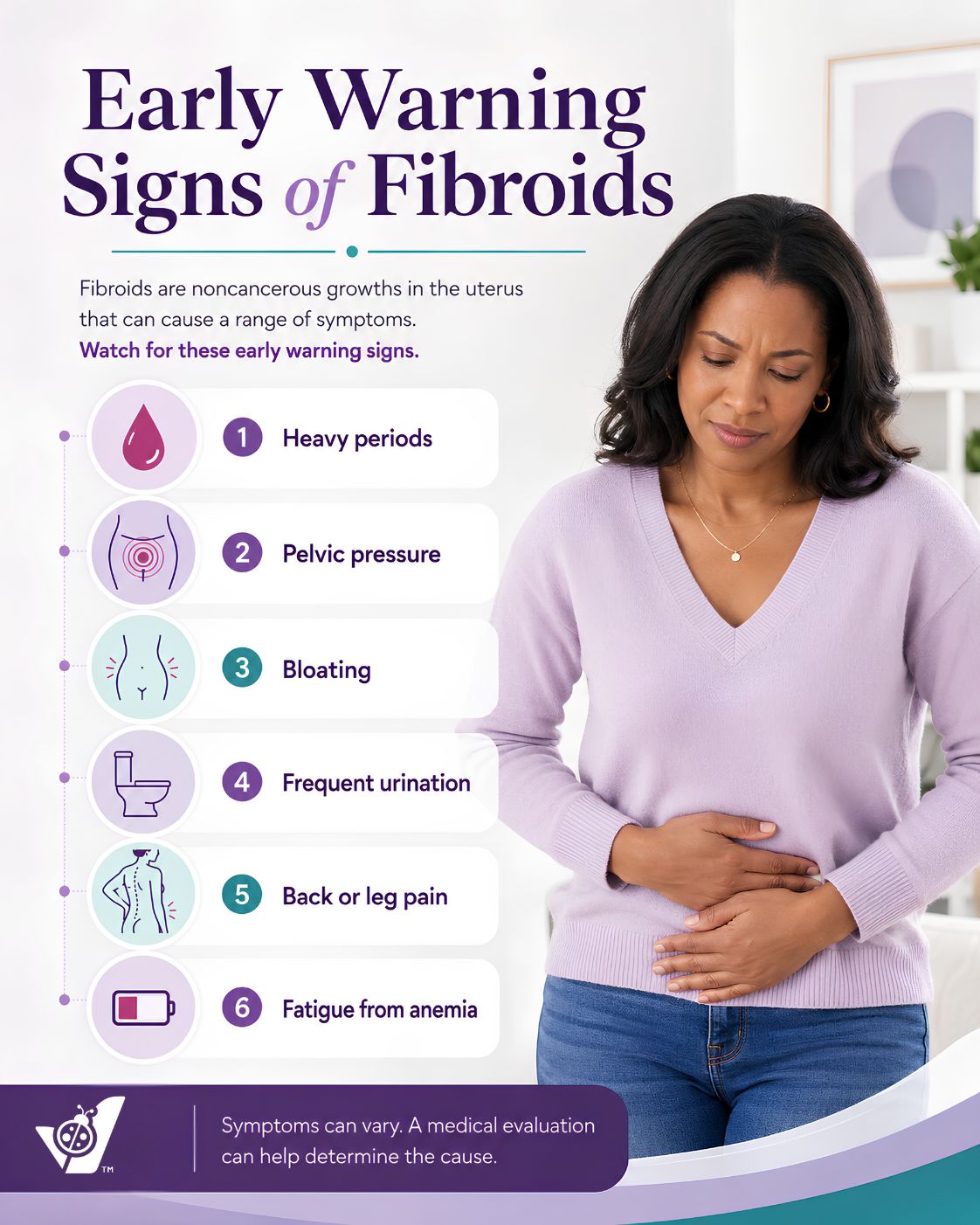
Understanding your body is the first step toward health. If you are wondering what the signs of fibroids in a woman are, you’ve come to the right place. We’ve identified the key early warning signs to watch for, with a focus on changes in your menstrual cycle.
1) Heavy and Prolonged Menstrual Bleeding
One of the most common fibroid signs and symptoms is abnormally heavy and long-lasting periods. While “heavy” can be subjective, medical experts look for specific signs of abnormal uterine bleeding.
Watch for these fibroid signs during your cycle:
- High Frequency: Needing to change a high-absorbency pad or tampon every 1–2 hours.
- Large Clots: Passing blood clots the size of a quarter or larger.
- Extended Duration: Periods that last longer than seven days.
- Heavy Flow: Consistent “heavy” days that interfere with your daily activities.
Pro-Tip for Symptom Tracking: Because tampons absorb liquid, they can “mask” the size and texture of blood clots, making it harder to recognize that you are passing them. If you suspect you are passing large blood clots, try switching to pads or a menstrual cup for one cycle. This allows you to accurately see the size and frequency of the clots, which is vital information to share with your doctor during a fibroid consultation.
Why Heavy Bleeding Matters
Heavy bleeding is a primary symptom of fibroids, particularly larger ones. If left untreated, this constant blood loss can lead to iron-deficiency anemia and persistent fatigue, making it difficult to maintain your energy levels.
2) Severe Menstrual Cramping
While mild pelvic cramping is common during menstruation, cramps that are unusually intense, last longer, or resist over-the-counter pain relief are often classic signs of fibroids. This discomfort may begin several days before the menstrual period and persist long afterward, signaling structural changes within the muscular wall of the uterus
3) Pelvic Pressure or Fullness
A frequent complaint is a persistent feeling of heaviness in the lower abdomen. This sensation of pressure is a common example of fibroids in the uterus symptoms, often becoming more noticeable in the evening or after a long day of standing. This occurs as fibroids increase the uterus’s physical weight and compress surrounding organs.
4) Abdominal Protrusion or “Fibroid Belly”
When signs of fibroid tumors involve significant growth, the uterus can expand to the size of a second or third-trimester pregnancy. This results in a visible lower abdominal bulge, often referred to as a “fibroid belly.” You may notice your waistline increasing despite no changes in your diet or exercise routine.
5) Urinary Frequency or Urgency
Changes in bathroom habits are often the first sign women notice when seeking answers to “What are the signs of fibroids in the uterus?” Because the uterus and bladder are neighbors, fibroids can easily compress the bladder, causing frequent urination and a sudden sense of urgency. If you find yourself waking up throughout the night (nocturia) but don’t feel the “sting” of a UTI, it is likely the result of physical pressure from a growing fibroid.
6) Constipation or Difficult Bowel Movements
When fibroids are located near the rectum (posterior subserosal fibroids), they can cause physical obstruction. This leads to straining, bloating, or a sense of incomplete emptying. These signs and symptoms of fibroids are often misdiagnosed as , though they are purely structural.
7) Persistent Pelvic Pain
For many, fibroid-related discomfort isn’t limited to “that time of the month.” A hallmark sign is a dull, persistent ache in the pelvic region that lasts throughout the cycle. This occurs because growing fibroids exert constant pressure on the uterine muscle and surrounding nerves. In some cases, women may experience sudden, sharp, and debilitating pain. This is often a sign of fibroid degeneration, a process where a fibroid outgrows its blood supply—an occurrence that requires immediate medical attention.
8) Discomfort During Intimacy (Dyspareunia)
For many women, intimacy is disrupted by physical discomfort that is difficult to discuss. Pain during deep penetration or in specific positions is a frequent symptom of fibroids in the uterus. This occurs when the location of a fibroid—particularly those near the cervix or vaginal wall—causes a physical obstruction. Instead of pleasure, the pressure on the uterine muscle during intimacy can lead to significant pain.
9) Lower Back, Hip, or Leg Pain
Large or low-lying fibroids can press on the sciatic nerves or the muscular structures of the pelvic floor. This can cause radiating aches from the pelvis down the thighs. If you have unexplained leg or back pain alongside heavy periods, these are likely signs of uterine fibroids.
10) Spotting or Bleeding Between Periods
Unscheduled light bleeding or spotting, often appearing as brown discharge, can be an early sign of fibroids. This occurs when submucosal fibroids irritate the uterine lining, causing it to shed irregularly outside of the normal cycle.
11) Fatigue or Dizziness During Activity
The chronic blood loss from heavy periods is a leading cause of anemia. If you feel short of breath, lightheaded, or exhausted even during light activity, these are serious long-term signs of fibroids, indicating that your body is struggling to replace lost iron.
12) Irregular Cycles or More Frequent Periods
Are you having “two periods” in one month? Menstrual cycles shorter than 21 days or unpredictable bleeding patterns are common signs and symptoms of fibroids. While hormonal or thyroid issues should be ruled out, fibroids are a leading cause of irregular cycles.
Are Your Symptoms Fibroids or Something Else?
While these 12 signs are strong indicators of fibroids, many pelvic conditions share overlapping symptoms. This is why a precise evaluation is the only way to move from uncertainty to a treatment plan. Our specialists look for the subtle differences that distinguish early signs of fibroid tumors from other conditions:
- Endometriosis or Adenomyosis
- Ovarian Cysts
- Hormonal Disorders vs Structural Bleeding
The earlier you receive a professional evaluation, the more effectively you can address the cause of your discomfort.
Getting Answers and Lasting Relief with UFE
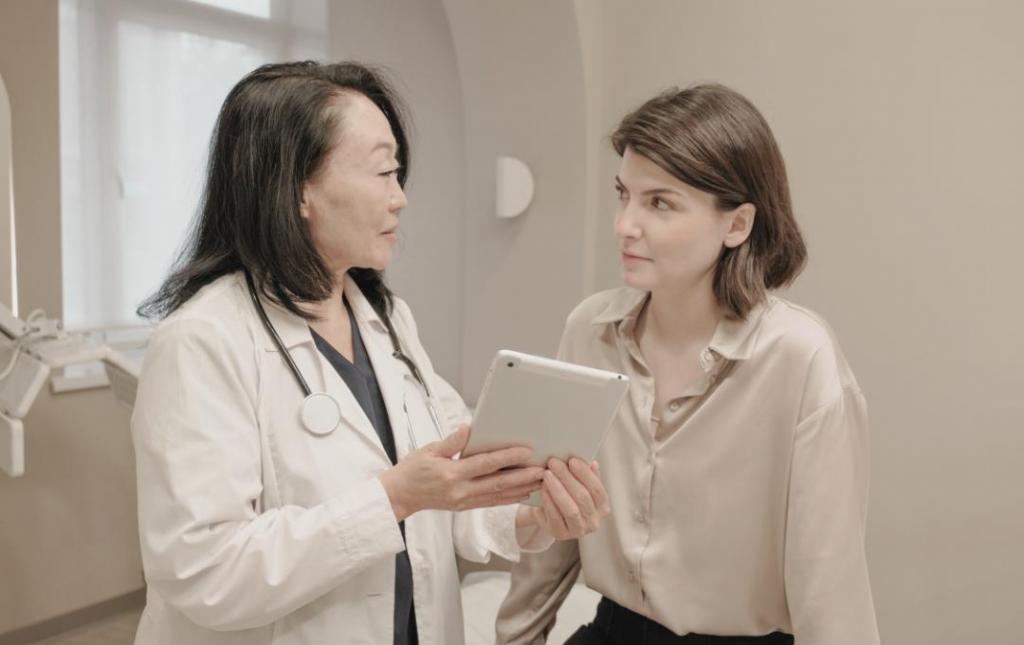
If you are experiencing early signs of fibroids in the uterus, you do not have to choose between living in pain and undergoing a major surgery like a hysterectomy. There is a middle ground that preserves your body and your lifestyle. Uterine fibroid embolization (UFE) is a minimally invasive, outpatient procedure to treat your symptoms of fibroids in the uterus without the risks of a hysterectomy.
- Preserve Your Uterus: No removal of healthy tissue.
- Fast Recovery: Get back to your life in days, not months.
- No General Anesthesia: A safer, simpler approach to care.
Many women ask, “What are the signs of fibroids shrinking?” Following uterine fibroid embolization (UFE), as the tumors lose their blood supply and soften, you will notice:
- Lighter Periods: Cycles become shorter and more manageable.
- Structural Relief: The “fibroid belly” recedes as the uterine muscle returns to its natural size.
- Freedom from Pressure: Chronic back pain and bladder urgency simply fade away.
Take the First Step Toward Relief From Fibroids Signs & Symptoms
USA Fibroid Centers understands that living with these signs and symptoms of fibroids is exhausting, but you don’t have to do it alone. We specialize in UFE, which shrinks fibroids to deliver sustained relief from heavy bleeding and abdominal enlargement.
Our national network of AAAHC-accredited outpatient clinics is focused exclusively on diagnosing and treating uterine fibroids. Our board-certified fibroid specialists use advanced imaging and a compassionate approach to determine the precise cause of your symptoms of fibroids in uterus and create a personalized UFE treatment plan.