

Medically reviewed by
Dr. Jacob White, M.D.
Interventional Radiologist
Hormones are the main driver of fibroid growth. But they are not the only factor. Genetics, body weight, age, and certain life stages can also affect how quickly fibroids grow.[1] Knowing what contributes to fibroid growth can help you recognize when symptoms need medical attention, and what treatment options exist.
Quick facts
- Estrogen and progesterone are the main drivers of fibroid growth. Fibroid tissue has more hormone receptors than normal uterine tissue[1]
- Fibroids often grow fastest during pregnancy, when hormone levels rise sharply[2]
- Body fat also produces extra estrogen, which is one reason obesity is linked to faster fibroid growth[1]
Why Fibroid Growth Varies From Woman to Woman
Fibroids are noncancerous growths made of muscle and connective tissue. They develop in or on the uterus. Researchers do not know exactly why fibroids form, but studies suggest that hormones, genetic changes, and growth factors within the uterus all play a role.[1]
Not all fibroids behave the same way. Some stay stable for years. Others grow faster or start causing symptoms. Differences in hormone levels, genetics, age, and overall health help explain why growth varies so much from woman to woman.
Hormones influence most fibroid growth, but certain factors can speed up the process and make fibroids grow faster than expected.
What Makes Fibroids Grow Quickly?
Once fibroids develop, several factors can affect how fast they grow. No one can predict exactly how a fibroid will behave, but researchers have identified several conditions and life stages linked to faster growth.
Hormonal Surges
Estrogen and progesterone play a central role in fibroid growth. During pregnancy, these hormone levels rise sharply, which is why fibroids often grow larger during pregnancy.[2] Hormone-based medications can also play a role. This includes some forms of birth control, fertility treatments, and hormone replacement therapy, which may affect fibroid growth in certain women.
Excess Body Weight
Body fat produces and stores estrogen. Higher estrogen levels can create conditions that support fibroid growth.[3] This is one reason fibroids are more common in women with obesity.
Age and Reproductive Stage
Fibroids are most often diagnosed during the reproductive years, especially between ages 30 and 50.[2] Growth tends to be more active before menopause, when hormone levels are higher and shift more often.
Genetics and Family History
Fibroids often run in families. If your mother or sister has had fibroids, you are more likely to develop them too.[2] Researchers have also found gene changes that may affect how fibroids grow once they form.
Vitamin D Levels
Some studies link low vitamin D to a higher risk of fibroids.[3] Researchers are still studying this connection, and the evidence is not yet strong enough to say low vitamin D directly causes fibroid growth.
Race and Ethnicity
Research consistently shows that Black women are more likely to develop uterine growths than women of other racial groups.[2] They are also often diagnosed at a younger age, and growth may progress faster in this group. Researchers believe a mix of genetic and hormonal factors likely explains this pattern, though the exact reasons are still being studied. Knowing your personal risk profile can help guide how closely you and a specialist monitor any growths you already have.
Can Diet or Lifestyle Trigger Fibroid Growth?
Lifestyle factors appear to play a smaller role than hormones and genetics, but they may still affect your overall risk.
Some studies link diets high in red meat and low in fruits and vegetables to a higher chance of developing fibroids.[3] Regular physical activity may help support healthy hormone levels and weight, which could help lower fibroid risk.
No specific diet, supplement, or exercise plan has been proven to stop fibroid growth or make fibroids disappear. For a closer look at dietary factors, read our article on what foods may trigger fibroid growth.
It is worth being cautious about strong lifestyle claims you may see online. Some sources overstate how much control diet and exercise give you over existing growths. Healthy habits are good for your overall well-being, and may modestly influence your baseline risk. But once a growth has already formed, hormones and genetics tend to matter far more than what you eat or how often you exercise.
Do Fibroids Ever Stop Growing on Their Own?
For many women, fibroid growth slows as they approach menopause, since estrogen and progesterone levels naturally decline.[1] In some cases, fibroids may stabilize or shrink after menopause.
This process can take years. Symptoms like heavy bleeding, pelvic pressure, and urinary frequency may continue during that time. Waiting for menopause is not always practical, especially when symptoms affect your quality of life.
For more on growth timelines, see our article on how fast fibroids typically grow.
When Should You Be Concerned About Fibroid Growth?
Fibroids do not always need treatment, but changes in size or symptoms should not be ignored. If symptoms become more frequent, more severe, or more disruptive, it may be time for an evaluation.
Heavy menstrual bleeding, pelvic pressure, pelvic pain, frequent urination, pain during sex, and abdominal enlargement can all signal that fibroids are affecting your health.[1] In some women, these symptoms worsen as fibroids continue to grow.
Rapid growth should also be evaluated by a specialist, especially after menopause. Most fibroids are benign, but growth outside the typical hormonal pattern may need a closer look.
Fibroid size is only one factor in deciding on treatment. Even small fibroids can cause real symptoms depending on where they sit. What matters most is often how much the fibroids affect your daily life. To better understand how size relates to symptoms, see our article on how fibroids change uterus size.
If symptoms interfere with work, relationships, comfort, or daily activities, it may be time to discuss treatment. This is often a better path than continuing to monitor alone.
Treatment option: UFE
You Do Not Have to Wait to Find Relief
If fibroid symptoms are already affecting your daily life, waiting to see if growth slows is not your only option.
A fibroid specialist can review your symptoms and discuss whether Uterine Fibroid Embolization may help address the fibroid directly, without surgery.
How UFE Addresses Fibroid Growth Without Surgery
Uterine Fibroid Embolization (UFE) is a non-surgical, minimally invasive treatment for fibroids. Rather than removing fibroids through surgery, UFE treats them from within. It reduces the blood flow that allows fibroids to grow and cause symptoms.[3]
During the procedure, an interventional radiologist uses image guidance to place a small catheter into the uterine arteries. Tiny embolic particles are then delivered to the blood vessels feeding the fibroids. This reduces blood flow to the fibroids while preserving healthy uterine tissue.
Because UFE targets the fibroids directly, treatment does not depend on waiting for hormonal changes like menopause. The procedure is done on an outpatient basis, which allows many women to avoid major surgery while preserving the uterus.
As blood flow decreases, fibroids gradually shrink over the following months. Many women see improvement in symptoms like heavy bleeding, pelvic pressure, and frequent urination during this time.
Recovery from UFE is generally shorter than recovery from surgery. Most women return to light activities within a few days and resume normal routines within one to two weeks. Whether UFE is right for you depends on your symptoms, fibroid characteristics, and treatment goals.
“Once patients understand that hormones are largely behind their fibroid’s growth, they usually feel more in control of the decision to pursue treatment rather than simply monitor and wait.” – Dr. Jacob White, M.D., Interventional Radiologist
What to Expect at a Fibroid Growth Evaluation
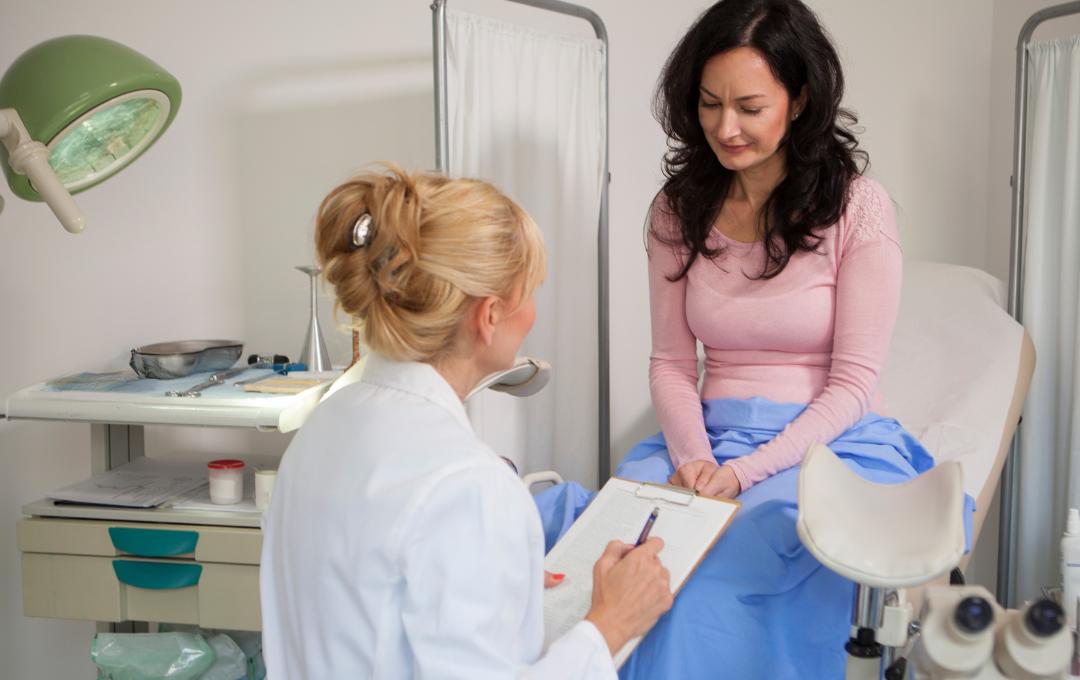
If you schedule an evaluation, the appointment usually starts with a discussion about your symptoms, medical history, and any past imaging. Your provider may ask about heavy bleeding, pelvic pressure, urinary symptoms, pelvic pain, fertility concerns, and how fibroids affect your daily life.
Imaging such as ultrasound or MRI is often used to evaluate the size, number, and location of your fibroids. This information helps your provider determine whether fibroids are contributing to your symptoms and guides treatment recommendations.
The consultation is also a chance to discuss your goals and learn about your options. Depending on your case, recommendations may include continued monitoring or treatment for symptomatic fibroids.
Most importantly, a fibroid evaluation can bring clarity. Understanding what is causing your symptoms, and whether your fibroids are changing over time, can help you make informed decisions about your care.
Some women delay an evaluation because they assume nothing can be done until symptoms become severe, or because they hope the issue will resolve with time. In practice, an early evaluation often gives you more options, not fewer. It also gives your specialist a clearer baseline to track any future changes against, which can make later decisions easier if your situation changes.
Common Questions Before Treatment
Many women considering an evaluation want to know what happens after diagnosis, not just what causes growth. A specialist will typically confirm fibroid size and location through imaging, then walk through which symptoms are most likely tied to the fibroids themselves versus other causes. This step matters, since not every pelvic symptom is fibroid-related, and ruling out other explanations helps ensure the right treatment path.
Bringing a list of your specific symptoms, when they started, and how they have changed over time can help your specialist build the clearest possible picture during your first visit. Many women also find it helpful to write down any questions in advance, since a first consultation covers a lot of information in a short amount of time.
Understanding Your Options
Fibroid growth comes from a mix of hormones, genetics, body weight, and reproductive stage. Many of these factors are outside your control, but you do not have to simply wait and hope your symptoms improve on their own.
If your fibroids are growing, or interfering with your quality of life, a consultation can help you understand your options. A fibroid specialist can review your symptoms, imaging, and goals, and help you decide whether Uterine Fibroid Embolization (UFE) may fit your situation. USA Fibroid Centers physicians are available nationwide to help you take the next step.
Next step
Find a Fibroid Specialist Near You
USA Fibroid Centers has locations nationwide staffed by board-certified interventional radiologists who specialize in non-surgical fibroid care.
FAQs About Fibroid Growth
- Office on Women’s Health, U.S. Department of Health and Human Services. “Uterine Fibroids.” womenshealth.gov/a-z-topics/uterine-fibroids
- Eunice Kennedy Shriver National Institute of Child Health and Human Development (NICHD). “What causes uterine fibroids?” nichd.nih.gov/health/topics/uterine/conditioninfo/causes
- National Institute of Environmental Health Sciences (NIEHS). “Uterine Fibroids.” niehs.nih.gov/health/topics/conditions/uterine-fibroids
Medical Disclaimer: This article provides educational information about uterine fibroids and treatment options. It is not a diagnosis or medical advice. Only a qualified fibroid specialist can determine whether you have fibroids or recommend appropriate treatment. If you have heavy periods, pelvic pain, or other symptoms, consult a healthcare provider or contact USA Fibroid Centers for an evaluation.