


Medically reviewed by
Dr. Jacob White, MD,
Interventional Radiology, Fibroid Specialist, and Medical Director
Reviewed: November 2026
An obstetrician-gynecologist, or OB-GYN, and a fibroid specialist play different roles in fibroid care. Knowing which one to see can save you time. An OB-GYN is often your first stop for a diagnosis. A fibroid specialist, usually also an interventional radiologist, focuses on non-surgical fibroid treatment. If you already know you have fibroids, you may want to avoid surgery. In that case, a fibroid specialist can provide you with other minimally invasive, non-surgical treatment options. This guide explains what each doctor does, when to see each one, and how to move forward with the right treatment plan that best fits your needs.
OB-GYN vs. Fibroid Specialist: The Key Difference
The biggest difference in both specialties is the scope of care. An OB-GYN manages your overall reproductive health. This includes diagnosing fibroids, watching them over time, and offering care that ranges from medication to surgery. A fibroid specialist is an interventional radiologist. This doctor focuses on one type of fibroid care: minimally invasive, non-surgical treatment such as Uterine Fibroid Embolization (UFE).
An OB-GYN evaluates every aspect of your reproductive system, while a fibroid specialist answers one specific question: can your fibroids be treated without surgery? Many patients see both doctors. An OB-GYN often makes the first diagnosis. They may then refer you to a fibroid specialist once they confirm fibroids. This is especially the case if you want to avoid surgery or protect your fertility.
This does not mean one doctor is better than the other. Each one answers a different question. An OB-GYN can confirm you have fibroids and explain your full range of options, similar to what you’ll find in this overview of what a fibroid doctor is called. A fibroid specialist can tell you, in more detail, whether UFE could work for your specific fibroids. Knowing which question matters most to you can help you decide where to start.
What Does an OB-GYN Do for Fibroids?
Diagnosing Fibroids During a Pelvic Exam or Ultrasound
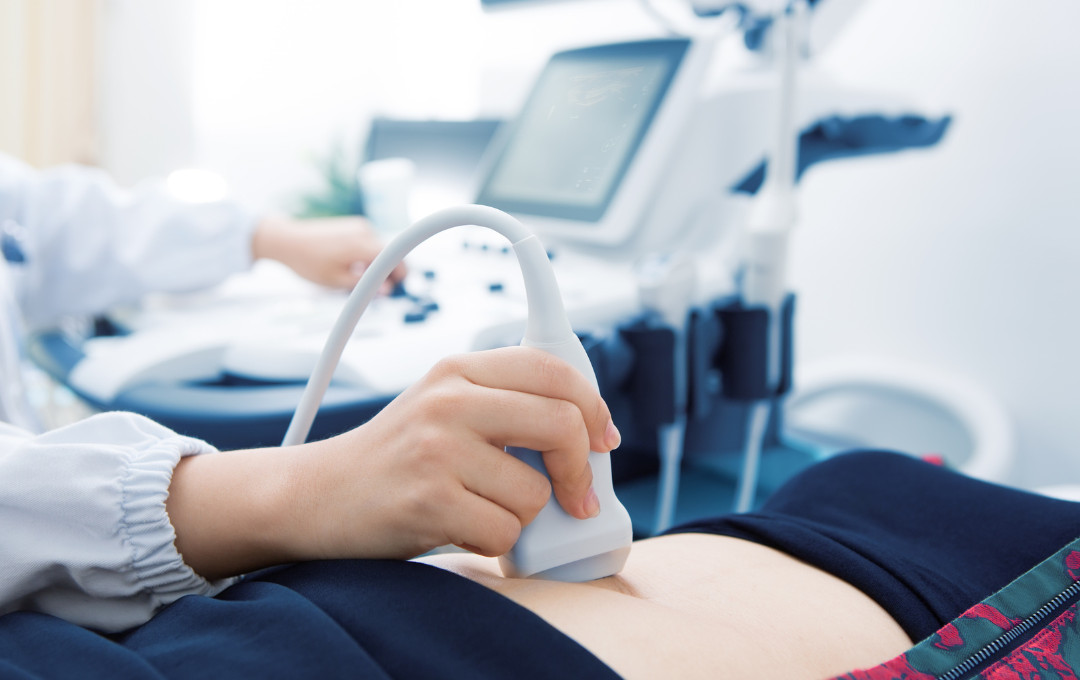
An OB-GYN often finds fibroids during a routine pelvic exam. They may feel a change in the shape or size of your uterus. From there, they usually order an ultrasound. This confirms the diagnosis and shows fibroid size, number, and location. In some cases, an OB-GYN may also order an MRI for a more detailed view. This helps confirm whether symptoms like heavy bleeding or pelvic pressure are really caused by fibroids. It can help to come prepared with a list of questions to ask your doctor about fibroids before this first visit.
Medical and Surgical Options an OB-GYN May Offer
Once fibroids are diagnosed, an OB-GYN often starts with medication. This can include hormonal birth control to help manage bleeding, or anti-inflammatory medication for pain. These options can ease symptoms for some patients, but they do not shrink or remove fibroids on their own.
If fibroids are large or symptoms stay severe, an OB-GYN may also discuss surgical options. These can include myomectomy or hysterectomy, depending on your fertility goals. These are reasonable choices for some patients. But they are not the only path forward. Your OB-GYN may also mention that a non-surgical option exists through a fibroid specialist, especially if you would rather avoid surgery altogether.
What Does a Fibroid Specialist Do?
Interventional Radiology and Uterine Fibroid Embolization (UFE)
A fibroid specialist is usually an interventional radiologist. This is a doctor with advanced training in image-guided, minimally invasive care. The main treatment a fibroid specialist offers is Uterine Fibroid Embolization (UFE). UFE is a non-surgical, catheter-based procedure. During UFE, your fibroid specialist guides a thin catheter through a small access point in the wrist or groin. The catheter reaches the arteries that supply blood to your fibroids. Your fibroid specialist then delivers tiny particles that block that blood flow. Without blood supply, fibroids slowly shrink. Many patients notice less heavy bleeding and pelvic pressure within weeks.
UFE does not involve cutting into the uterus, so it is done on an outpatient basis. Recovery is often shorter than with fibroid surgery. Many patients return to light activity within a few days. Most resume their normal routine in one to two weeks. UFE also preserves your uterus. This matters to patients who want to avoid hysterectomy or who may want children later.
How a Fibroid Specialist’s Evaluation Works
A visit with a fibroid specialist usually starts with a conversation. Your specialist will ask about your symptoms and medical history. They will also review any imaging you already have, like a past ultrasound or MRI. If you do not have recent imaging, they may order it. This helps map the size and location of your fibroids. From there, your fibroid specialist will explain whether UFE may fit your situation. They can also answer questions about recovery and what to expect during the procedure.
When Should You See an OB-GYN for Fibroids?

An OB-GYN is usually the right first step in a few common cases. See an OB-GYN first if you notice new symptoms and have not been checked yet. This includes heavier periods, new pelvic pain, or pressure. An OB-GYN is also a good fit if fibroids were found by accident. This can happen during a routine exam or other imaging. They can confirm the diagnosis and watch for any changes over time.
An OB-GYN can also help when your symptoms could have more than one cause. Frequent urination, pain during sex, and lower back pain can overlap with other health issues. A broad evaluation helps rule those out first. If you are not sure what is causing your symptoms, an OB-GYN visit is a smart place to start.
When Should You See a Fibroid Specialist for Fibroids?
Signs It May Be Time for a Specialist Evaluation
A fibroid specialist visit tends to make sense in a few clear situations. Consider a fibroid specialist if you already have a confirmed diagnosis and want to learn about non-surgical treatment. It may also be time if heavy bleeding or anemia keeps coming back despite medication. The same is true if preserving your uterus or future fertility matters to you. Ongoing fatigue, dizziness, or low iron from heavy bleeding are other signs worth mentioning to a fibroid specialist. Treating the fibroid itself can often help those symptoms improve. A fibroid specialist can also give you a second opinion. This helps if your OB-GYN has suggested surgery and you want to compare options first.
You Don’t Always Need an OB-GYN Referral First
Many people think they must see an OB-GYN before a fibroid specialist. In practice, many fibroid specialists can see you directly. This includes the team at USA Fibroid Centers. A referral is often not required. Referral rules can vary by insurance plan, so it is worth checking your coverage. But in most cases, you do not need to wait on a referral just to start the conversation.
Can You See Both an OB-GYN and a Fibroid Specialist?
Yes, and many patients do exactly that. Seeing both is not a conflict. It is often the most practical path. Your OB-GYN can confirm your diagnosis and stay involved in your overall reproductive health. At the same time, a fibroid specialist can focus on whether UFE fits your specific goals.
In many cases, these two providers work together rather than compete. Your OB-GYN may continue routine care, like annual exams. Your fibroid specialist can handle the fibroid-specific evaluation and treatment. If you already trust your OB-GYN, you do not have to choose one over the other. You can keep your OB-GYN for ongoing care and add a fibroid specialist for fibroid treatment.
Some patients find it helpful to loop their OB-GYN in after a fibroid specialist visit. Sharing your imaging and treatment plan with both providers can keep your full care team on the same page. This is especially useful if you see your OB-GYN for other reproductive health needs, such as annual screenings, in addition to fibroid care.
How to Get Evaluated by a Fibroid Specialist
Getting evaluated by a fibroid specialist is simple. It usually starts with scheduling a consultation, in person or by video visit. During that visit, your fibroid specialist will ask about your symptoms. They will review your medical history and any imaging you already have. If you do not have recent imaging, they can help arrange it.
From there, your fibroid specialist will ask about your goals. This includes whether preserving your uterus or future fertility is a priority for you. Based on your imaging and goals, they can explain whether UFE may fit your case. They will also outline a plan, so you leave with a clear next step.
It helps to bring a list of your symptoms and current medications. Copies of recent imaging or lab results are useful too. A blood count is helpful if anemia has been a concern. If you are unsure what to ask, this list of uncomfortable questions to ask your fibroid doctor covers topics many patients hesitate to bring up on their own. Most consultations take less than an hour. Many patients can schedule the visit directly, without waiting weeks for a referral.
Decide With Confidence
You Don’t Have to Choose Alone
Both an OB-GYN and a fibroid specialist play an important role in fibroid care. If you are ready to explore treatment without surgery, a fibroid specialist can walk you through your options directly.
Dr. Jacob White and the team at USA Fibroid Centers specialize in fibroid evaluation. They can explain whether Uterine Fibroid Embolization (UFE) may be right for you, often without a referral.
FAQs About Seeing an OB-GYN vs. a Fibroid Specialist
- Office on Women’s Health, U.S. Department of Health and Human Services, “Uterine Fibroids,” womenshealth.gov/a-z-topics/uterine-fibroids
- Society of Interventional Radiology, “Uterine Fibroid Embolization,” sirweb.org/patients/uterine-fibroids/
Medical Disclaimer: This article provides educational information about uterine fibroids and treatment options. It is not a diagnosis or medical advice. Only a qualified fibroid specialist can determine whether you have fibroids or recommend appropriate treatment. If you have heavy periods, pelvic pain, or other symptoms, consult a healthcare provider or contact USA Fibroid Centers for an evaluation.